IRONMAN 70.3 Bolton 2026: Race Preview, Course Guide and Training Tips
The IRONMAN 70.3 Bolton on 7 June 2026 is the standout UK middle-distance event of the early summer. One of the longest-running and best-attended 70.3 events in Britain, Bolton is famous for its brutal bike leg — a hilly, technical course through the Lancashire moors that has broken many optimistic power targets — and a run course that winds through the streets of Bolton to the iconic finish line. Here is everything you need to know to prepare for race day.
Race Overview
- Date: Sunday 7 June 2026
- Location: Bolton, Greater Manchester
- Swim: 1.9km in Pennington Flash, Leigh — a reservoir with typically cool UK conditions in early June
- Bike: 90km through Lancashire — hilly, exposed, and technically demanding
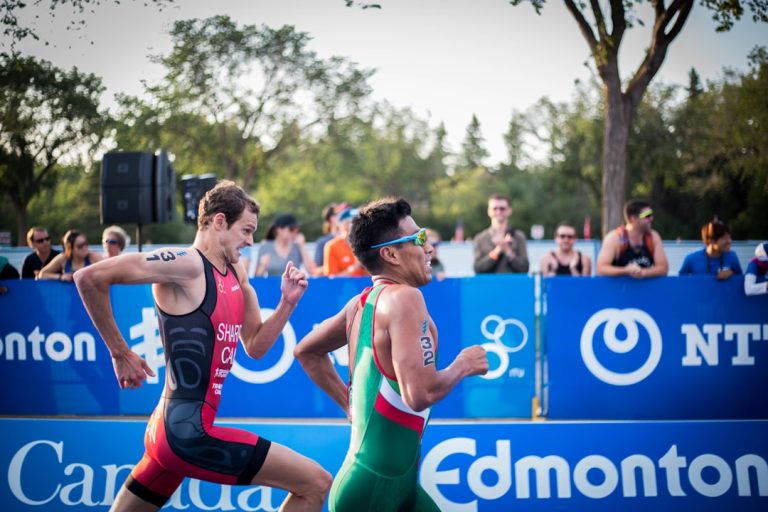
- Run: 21.1km on a two-lap road course around Bolton town centre
- Cut-offs: Standard IRONMAN 70.3 cut-offs apply — check the official race guide for 2026 specifics
The Swim: Pennington Flash
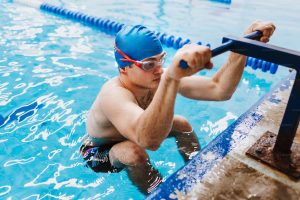
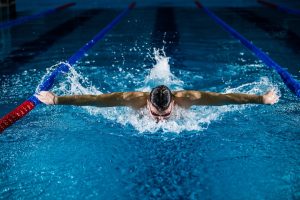
The 1.9km swim takes place in Pennington Flash, a large reservoir in Leigh. In early June, water temperatures typically sit between 14-18°C — wetsuit-legal in most years, though this can vary. The swim is a rolling start and athletes enter in waves based on estimated swim time. The reservoir conditions are generally calm, but early morning mist and low sun angle can make sighting challenging for the first wave. Practise bilateral breathing and sighting frequently — do not rely on watching the athlete in front of you.
The Bike: Lancashire’s Finest Climbs
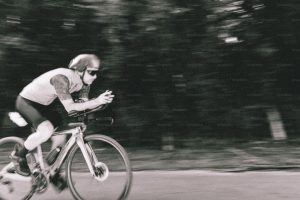
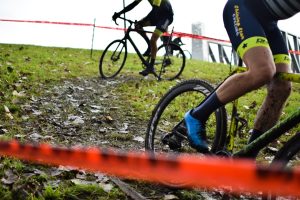
The Bolton bike course is the race’s defining challenge and the reason finishing times here are often slower than at flatter 70.3 events. The route features several significant climbs through the Lancashire countryside, with exposed moorland sections that can produce strong crosswinds. Total elevation gain typically sits between 1,200-1,500m over the 90km — roughly equivalent to two Alpine passes. Arrive with gearing suited to sustained climbing: a compact chainset (50/34) with an 11-32 cassette is sensible for most athletes. Pace the early climbs conservatively — athletes who go out too hard on the bike invariably pay dearly on the run.
The Run: Bolton Town Centre
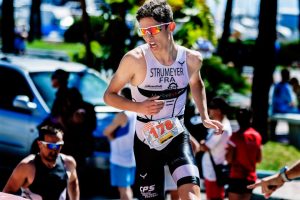
The two-lap run course through Bolton town centre is enthusiastically supported by local crowds, which helps enormously in the back half of the run when your legs are tired. The course is predominantly flat with minor undulations — a welcome relief after the bike leg. Aim to start your run conservatively at a pace you can maintain for all 21.1km. Many athletes at Bolton make the mistake of running the first lap too fast, lured by the crowd support and the relief of being off the bike, and then suffering significantly on the second lap.
Key Training Considerations
If Bolton is your A-race for 2026, your training needs to specifically prepare you for the bike course. This means including regular hilly rides — particularly sessions with sustained climbing at sweet spot and threshold effort — throughout your build phase. A 16-week plan starting in mid-February gives you time to build a proper base, add bike-specific strength work, and complete a race simulation before your taper. On race day, the athletes who have put in the climbing miles consistently outperform those who trained primarily on flat terrain.
Nutrition is also critical at Bolton given the duration and effort involved in the hills. Aim for 60-80g of carbohydrate per hour on the bike, beginning from the first 20 minutes, and maintain a consistent hydration strategy throughout. The early summer date means temperatures could range from cool and overcast (requiring a higher fluid intake than you might expect) to warm and sunny (requiring more). Practise eating and drinking at race intensity on your training rides in the weeks before.
Registration and Logistics
IRONMAN 70.3 Bolton regularly sells out well in advance. If you are targeting this race for 2026, register early via the IRONMAN website. Accommodation close to the transition area books up quickly — Bolton town centre hotels are popular, as is self-catered accommodation in the wider Greater Manchester area. The race village and transition are well-organised with ample parking, but allow extra time on race morning as the approaches to Pennington Flash can become congested.