How to Pace a Full Ironman: A Swim-Bike-Run Strategy Guide
Why Ironman Pacing Is Different From Shorter Races
Over 8–17 hours, small pacing mistakes compound massively in a way they simply don’t over a sprint or Olympic-distance race. Going out too hard on the swim or bike routinely wrecks the run several hours later — the classic “Ironman shuffle” is usually the result of a pacing error made hours earlier, not a sudden loss of fitness.
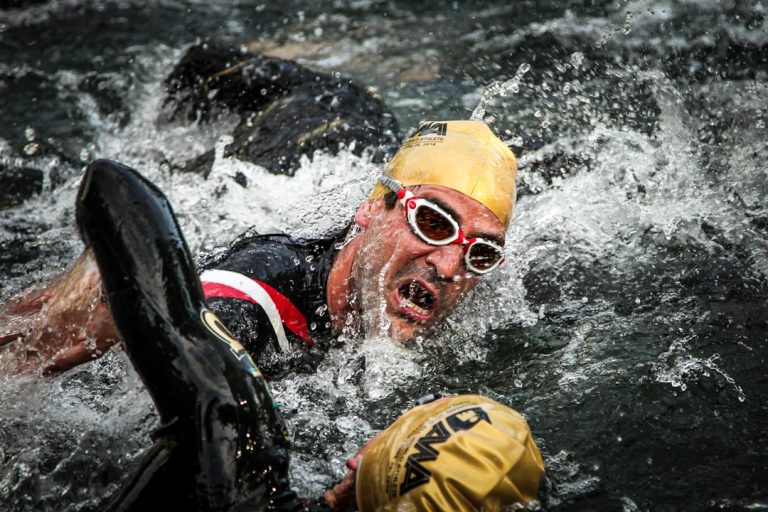
Swim: Conserve, Don’t Race
- Aim for a controlled, sustainable effort. Swimming slightly easier costs you almost no time over 3.8km, but overcooking it raises your heart rate and burns glycogen you’ll want later in the day.
- Sight efficiently and find feet to draft off — drafting off other swimmers, unlike on the bike, is legal under IRONMAN and World Triathlon swim rules.
- Aim to exit the water feeling like you’ve done a solid warm-up, not a time trial.
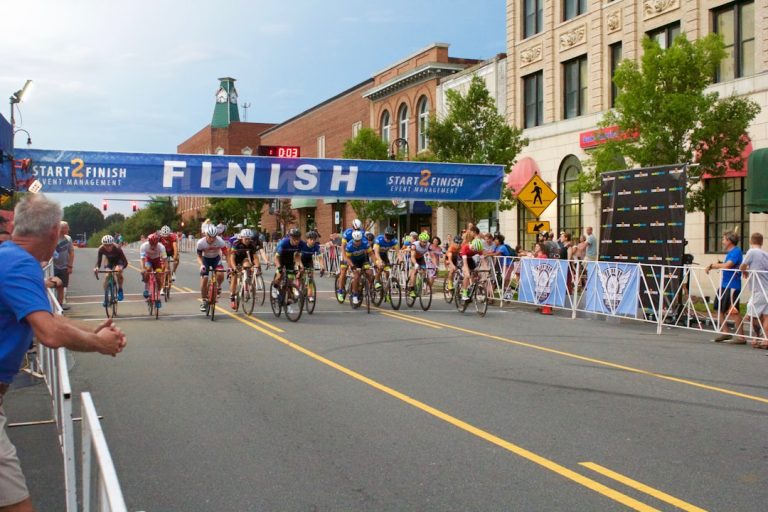
Bike: Ride to Power, Not Feel
- Target a normalized power around 65–75% of FTP for most age-group iron-distance athletes — the exact figure depends on your bike fitness and the course profile. Resist the urge to chase faster riders past you early on.
- Front-load nothing: an even or slightly negative split on the bike consistently produces better run splits than a fast start.
- Fuel from the first 20–30 minutes, not “when you feel hungry” — by the time you feel it, you’re already behind on carbohydrate.
- Save something for the final 20–30km. This is where a patient, evenly-paced ride pays off on the run.
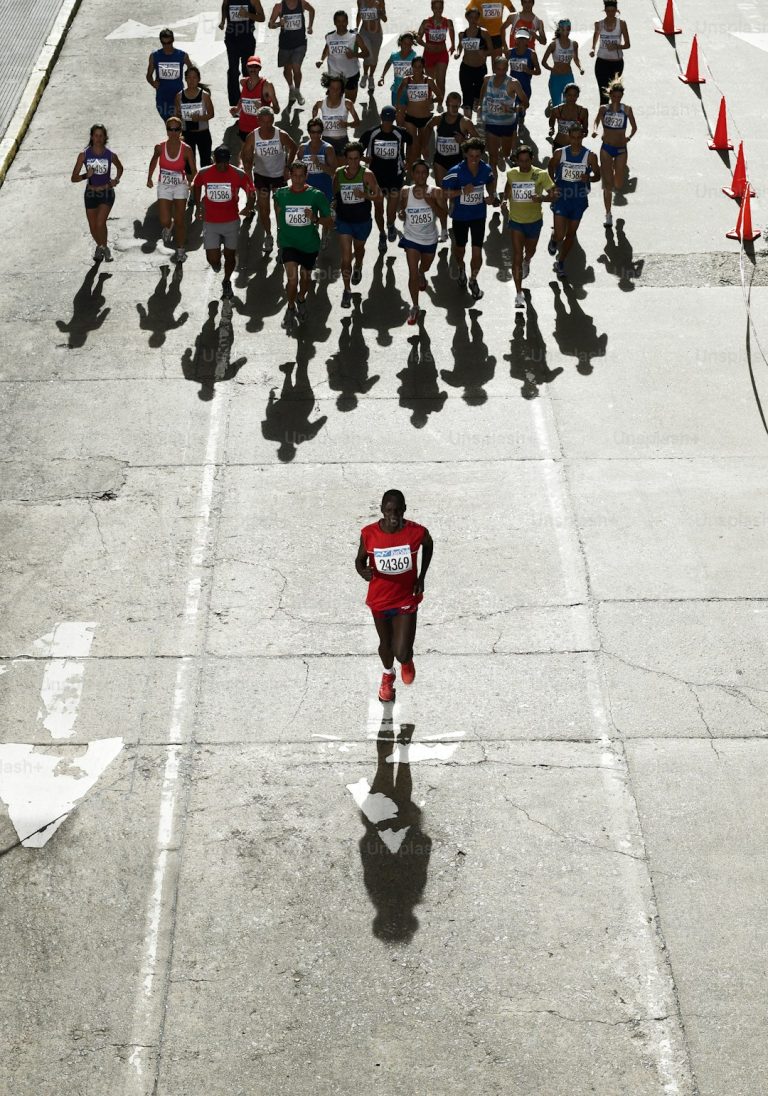
Run: Manage the First 5km, Then Commit
- Start slower than feels necessary. Many athletes’ best iron-distance runs begin 30–45 seconds/km slower than the pace that feels like “race pace” on fresh legs off the bike.
- Use a run-walk strategy proactively — walking every aid station from the start — rather than reactively once you’re already struggling. See our Ironman run-walk strategy session for how to rehearse this.
- Break the marathon into segments — by aid station, by 5km, by lap on a multi-lap course — rather than thinking about the full distance at once.
- Expect the middle third to feel worst. Pacing discipline in the first hour is what determines whether you can push again in the final 10km.
Put It Together: A Simple Framework
Swim controlled, bike patient with a negative split if anything, run with a conservative start and a plan to work the second half. For bike-specific power targets, see our Ironman bike leg power guide; for shorter-distance pacing, see our sprint, Olympic and 70.3 pacing guide.