Triathlon Pacing Strategy Guide: Sprint, Olympic and 70.3 Racing
Pacing is the difference between a race that feels controlled and rewarding and one that unravels painfully in the final kilometres. Every triathlon distance demands a different approach, and most age groupers pace at least one leg poorly on their first several attempts. This guide breaks down how to pace sprint, Olympic, and 70.3 races, and what the most common pacing mistakes look like in each format.
Sprint Triathlon Pacing
Sprint triathlon (typically 750m swim / 20km bike / 5km run) is the shortest and most intense format. The race is short enough that you can tolerate significant discomfort throughout, but not so short that pacing doesn’t matter — going out too hard in the swim or on the bike will still blow up your run.
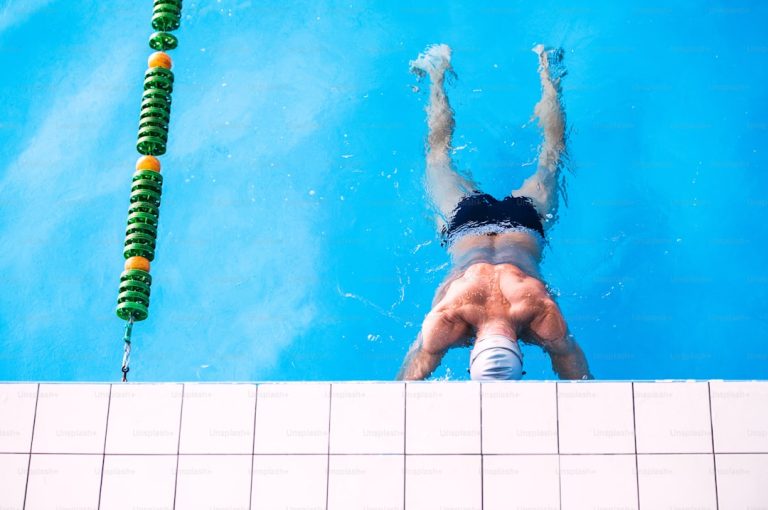
- Swim: Start near your natural speed — it’s a short swim, so no significant savings from conservative pacing. Focus on clean technique and avoid the panic that wastes energy in mass starts.
- Bike: Aim for 90–95% of your 20km time trial effort. If you have a power meter, target 95–100% of FTP. You should feel uncomfortable but controlled — breathing hard, not gasping.
- Run: The 5km run should hurt. Start at roughly 5K race pace and hold or negative split. At sprint distance, you have enough anaerobic capacity to push hard from the gun.
Olympic Distance Triathlon Pacing
Olympic distance (1500m swim / 40km bike / 10km run) requires more discipline than sprint. The run is long enough that blowing up on the bike has serious consequences, and the swim is long enough to waste significant energy if your pacing is poor.
- Swim: Settle into a sustainable rhythm within the first 200m. Sighting frequently and swimming straight is more important than speed — poor sighting adds distance and time.
- Bike: Target 85–90% of FTP if you have a power meter, or a pace where you can hold a conversation with effort. The common mistake is going too hard in the first 20km and limping through the second half.
- Run: Start the 10km 5–10 seconds per kilometre slower than your standalone 10K pace. A negative split run — getting faster through the second 5km — is the mark of well-executed Olympic distance pacing.
IRONMAN 70.3 Pacing
The 70.3 format (1.9km swim / 90km bike / 21.1km run) punishes overconfidence more than any other distance. The half marathon run leg is the great equaliser — athletes who ride too hard pay for it badly between kilometres 12 and 21.
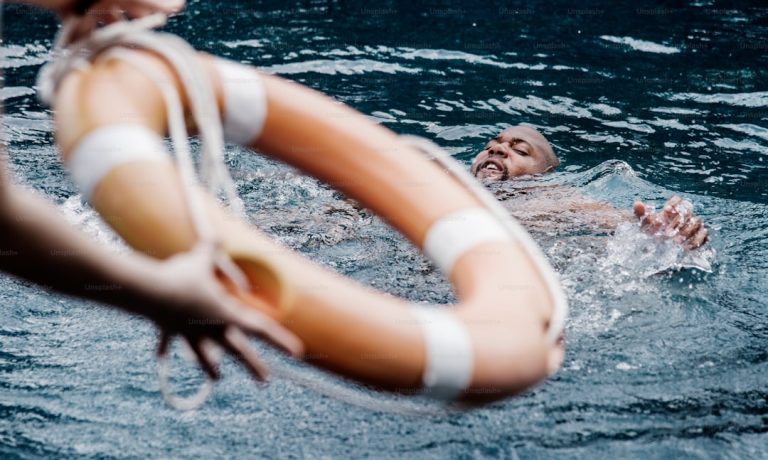
- Swim: Pace conservatively — you have 90km of cycling ahead. A smooth, efficient 1.9km swim conserves energy for what follows. Exit the water feeling like you could have gone faster.
- Bike: Target 75–80% of FTP for the whole 90km — no spikes above 90% FTP, even on short climbs. Normalised Power (NP) should not exceed 85% of FTP. If you don’t have a power meter, use the talk test: you should be able to speak in short sentences throughout the ride.
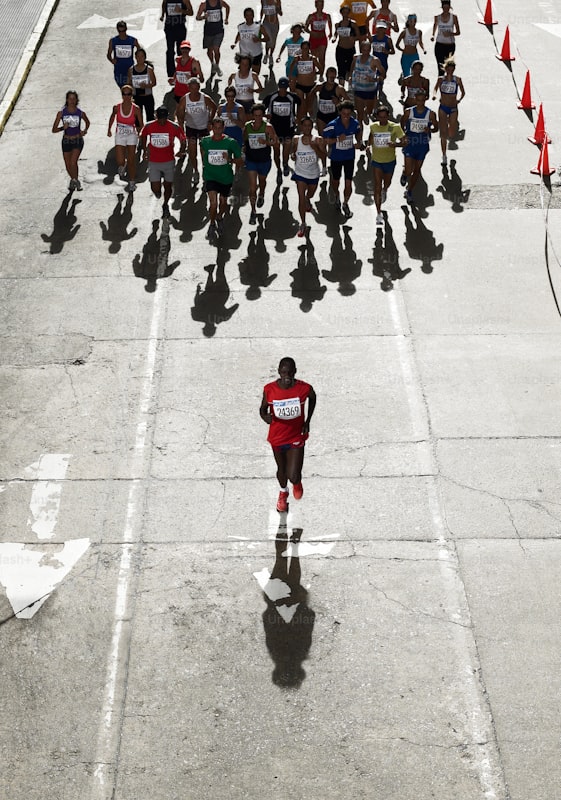
- Run: The first 7km of the half marathon should feel controlled. If you’re running your standalone half marathon pace in the first 3km, you’re going too fast. Target 70.3 run pace (typically 15–30 seconds per km slower than your standalone half marathon) and aim to build pace in the final 5km.
The Most Common Pacing Mistakes
- Going out too hard on the bike in every format. The bike leg feels easy in the first 15–20km because you’re fresh. This is exactly when discipline matters most.
- Panicking in the swim and spiking heart rate. A 30-second panic in the first 100m costs you energy you need later. If you feel panicked, roll to your back and breathe for 10 seconds before continuing.
- Starting the run at standalone race pace. Your triathlon run pace should always start slower than your equivalent standalone run pace — how much slower depends on the distance and how hard you rode.
- Ignoring nutrition as a pacing variable. Under-fuelling on the bike results in a blow-up on the run that looks like a pacing error but is actually a fuelling failure. Treat nutrition as integral to your pacing plan.
Building Your Pacing Plan
Race simulations in training are the best way to calibrate your pacing. A brick session at target race effort, followed by an honest assessment of how you felt on the run, gives you real data to work with. Pair your race simulation data with a power meter or GPS pace targets, and write your pacing plan down the night before race day. Decision fatigue on race morning is real — having your numbers written on your arm or your bike computer pre-programmed removes the guesswork in the heat of competition.