XTERRA Triathlon UK Guide 2026: Off-Road Racing Explained
XTERRA triathlon replaces the road bike and tarmac run with a mountain bike and trail run across natural terrain. If you’ve been doing road triathlon for a few years and feel ready for something rawer and more variable, XTERRA offers a completely different race experience — muddier, more technical, often hillier, and considerably more fun to spectate.
What is XTERRA Triathlon?
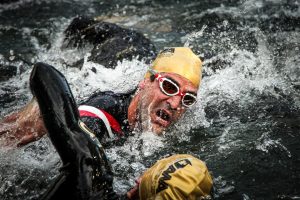
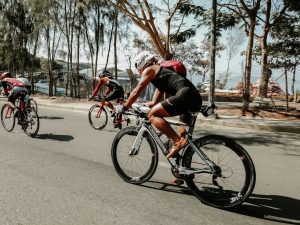
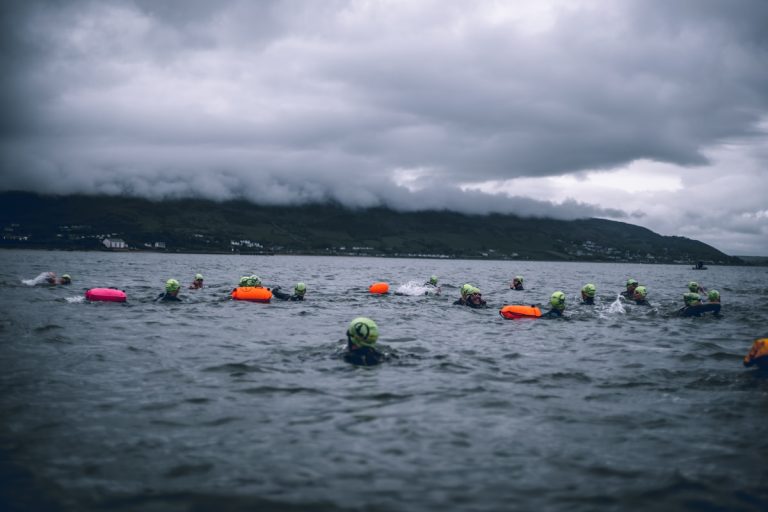
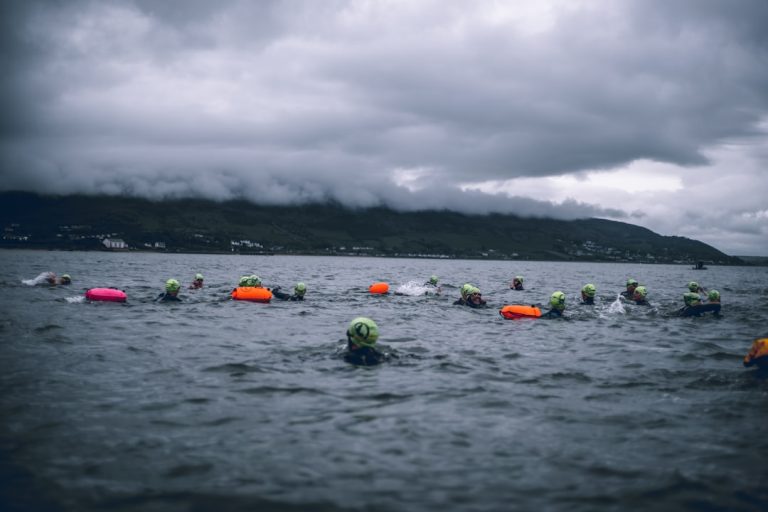
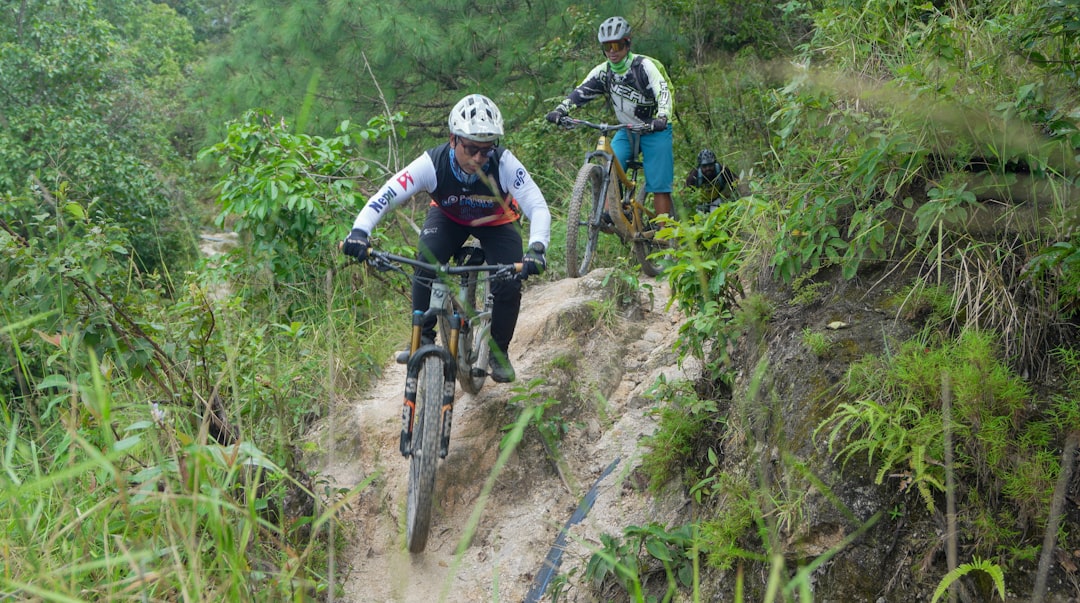
XTERRA triathlon consists of an open water swim (typically 1.5km), a mountain bike leg (typically 25–30km with significant climbing and technical sections), and a trail run (7–10km of off-road running including hills, roots and natural surfaces). The format originated in Maui, Hawaii in 1996 and now has national series across Europe, Australasia and North America, with a World Championship held in Maui each autumn.
XTERRA UK: Key Races in 2026
The UK XTERRA National Series includes events across the country from spring through autumn. XTERRA Weston Park (Staffordshire) is one of the flagship UK events, featuring a lake swim, woodland mountain bike course and technical trail run through the estate grounds. Other events include XTERRA Scotland and regional qualifier races. Check the XTERRA Europe website for the full 2026 UK calendar and registration.
What Gear Do You Need?
- Mountain bike — hardtail (front suspension only) or full-suspension. Hardtail is lighter and sufficient for most UK XTERRA courses; full suspension helps on more technical descents. Tyre width 2.1–2.35″ is typical.
- Trail running shoes — essential. Road shoes have insufficient grip on wet roots and muddy descents. Brands like HOKA, Saucony Peregrine and Salomon S/Lab Speed are popular in XTERRA.
- Wetsuit — the swim is open water and almost always wetsuit-legal in the UK. Your existing triathlon wetsuit is fine.
- Helmet — mandatory, must meet mountain biking standards. Road helmets are not permitted at many XTERRA events — check race rules.
- Hydration pack or bottles — the mountain bike leg typically runs longer than road tri bike legs and has limited aid stations. Carry your own fluid.
How is XTERRA Different to Train For?
The mountain bike leg demands different skills to road cycling: cornering technique, body position on descents, and reading trail features under fatigue. Trail running is mechanically different too — more hip flexor and glute demand, more lateral stability, and significantly more eccentric loading on descents. If you’re crossing over from road triathlon, the swim will feel familiar but the bike and run require specific sessions on appropriate terrain. A gravel bike is not an XTERRA bike — mountain bike technique on an MTB in the weeks before your first race is non-negotiable.
Should You Try XTERRA?
XTERRA suits road triathletes who enjoy technical challenges, outdoor environments and are comfortable with unpredictable race conditions. It’s a natural second sport for trail runners or mountain bikers who want to add swimming. The atmosphere at XTERRA events tends to be more relaxed than mass-market road triathlon — smaller fields, countryside settings and a genuinely adventurous feel. If that sounds appealing, find a local XTERRA qualifier and enter with an MTB borrowed or hired from a local shop. You’ll know by kilometre 5 of the mountain bike whether you’ve found your sport.