Best Massage Guns for Triathletes 2026: Theragun, Hyperice and More Compared
Recovery is the third discipline most triathletes underinvest in. A percussion massage gun accelerates muscle recovery between training sessions, helps flush lactate after hard efforts, and reduces soreness after long brick sessions. Here are the best options for triathlon training at every price point.
What to Look For
For triathlon use, prioritise portability (you’ll use this in race transitions hotel rooms and post-swim changing areas), battery life (2+ hours covers a full week of use), and noise level — QuietForce or Quiet Glide technology matters if you share changing rooms. Amplitude (the depth of the percussion) and attachments determine how versatile it is across different muscle groups.
Key Features to Consider
- Speed settings — 3 speeds covers most recovery needs. Premium models offer 5 or more for finer control.
- Attachment heads — the standard ball is fine for quads and hamstrings; a thumb or dampener head is better for calves and Achilles, where triathletes accumulate the most tension.
- Battery life — 2 hours minimum. Most premium guns charge via USB-C and last a full week of daily 20-minute sessions.
- Noise — anything above 60dB sounds like power tools in a changing room. Look for models marketed as “quiet” with verified dB ratings.
Our Top Picks
Best Portable: Theragun Mini 2.0
The Mini 2.0 is small enough to fit in a transition bag and delivers 120 minutes of battery from a USB-C charge. QuietForce Technology keeps noise to an acceptable level. Three preset speeds, three attachments (Standard Ball, Dampener, Thumb) and a compact form factor make it the go-to for triathletes who train and race away from home frequently. The ergonomics are more limited than full-size guns — the triangular handle of the Pro doesn’t exist here — but for post-race massage at the finish line, it’s hard to beat.
Best Value: Hyperice Hypervolt Go 2
The Hypervolt Go 2 undercuts the Theragun Mini on price while matching it on portability. Quiet Glide Technology keeps it discreet in shared spaces. Three speeds, two interchangeable heads, and a compact body that slips into any kit bag. The battery lasts approximately 3 hours — longer than the Mini 2.0. If budget is the deciding factor, this is the one to buy.
Buying Tips
- Use a massage gun 30–60 minutes after training for recovery, or as a warm-up activation tool 5–10 minutes before. Not during or immediately after intense efforts.
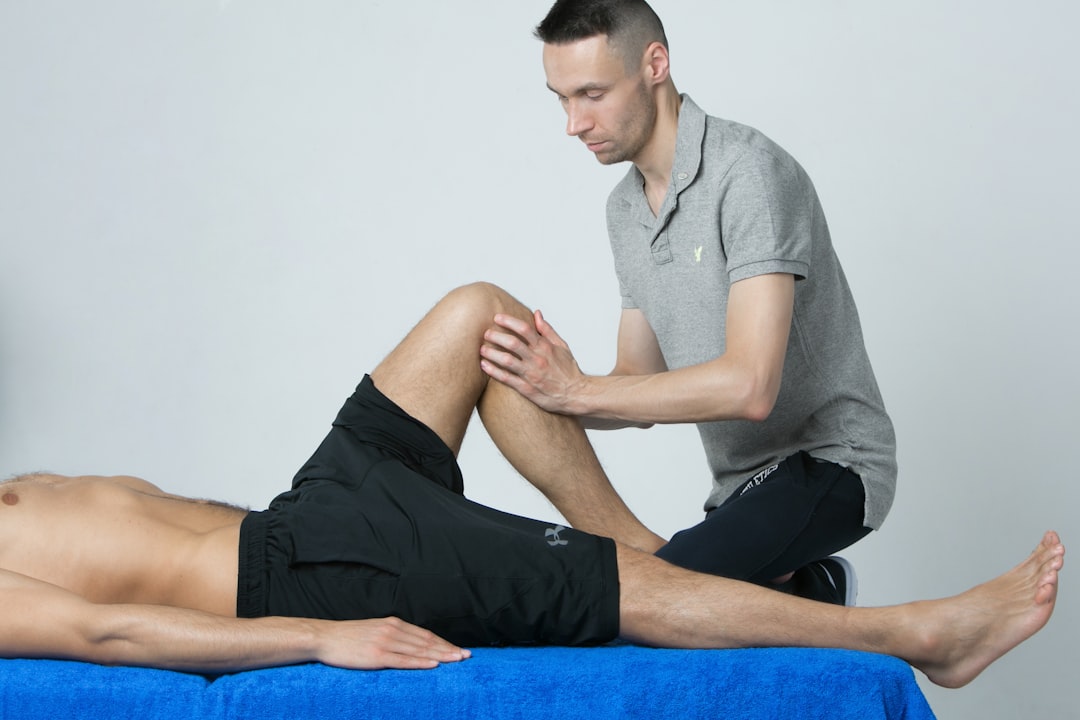
- Avoid bony prominences — shin, spine, back of knee. Percussion massage works on muscle belly, not joints.
- Calves and feet are the highest-value target areas for triathletes: post-run plantarfascia work and soleus release take 5 minutes and measurably reduce next-day tightness.
This article contains affiliate links. If you purchase through these links, we may earn a small commission at no extra cost to you.