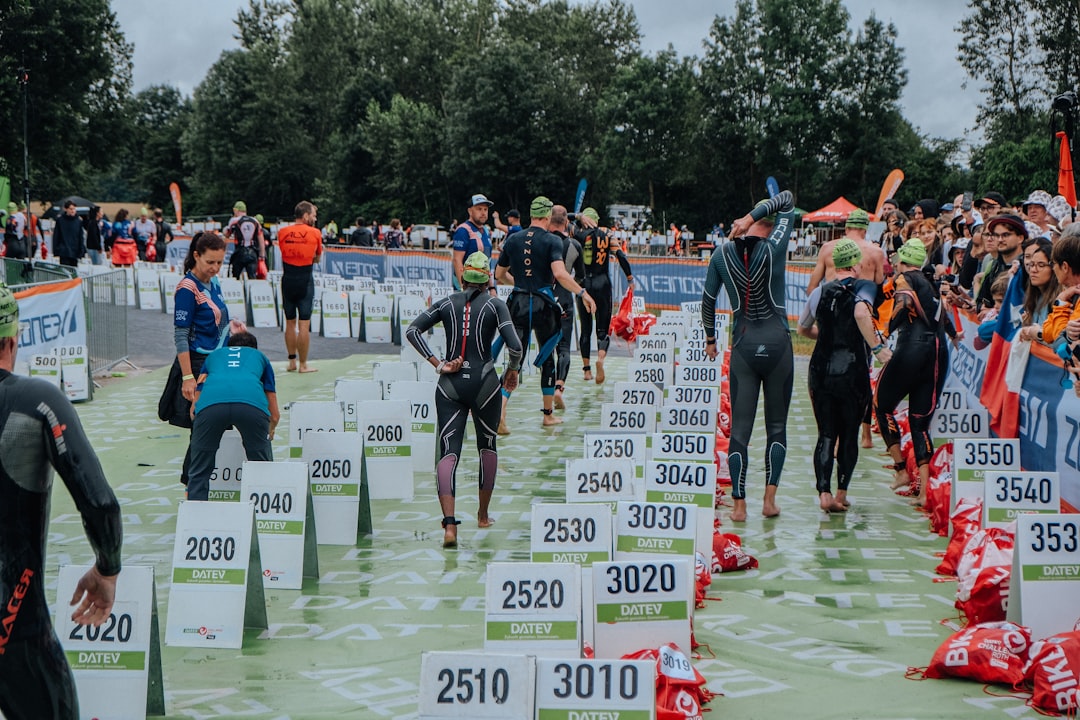
How to Do Race Recon: A Triathlete’s Guide to Course Inspection
Race reconnaissance — visiting and studying your race course before the event — is one of the most underutilised performance tools available to age-group triathletes. Professionals do it for every major race. Here’s how to approach it systematically.
Why Race Recon Matters
Surprises on race day cost you time and energy. When you’ve already swum the start line, ridden the key climb, or run past the last aid station in training, your brain treats race day as familiar territory. Adrenaline is channelled into performance, not anxiety management. Studies on athletic performance consistently show that environmental familiarity reduces perceived effort — the same pace feels easier in known surroundings.
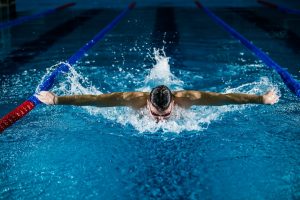
Swim Recon
If the swim is in open water, visit the venue at least once before race week. Key things to assess:
- Water visibility: Clear, murky, or salty? Affects goggle choice (clear vs tinted lenses) and sighting frequency.
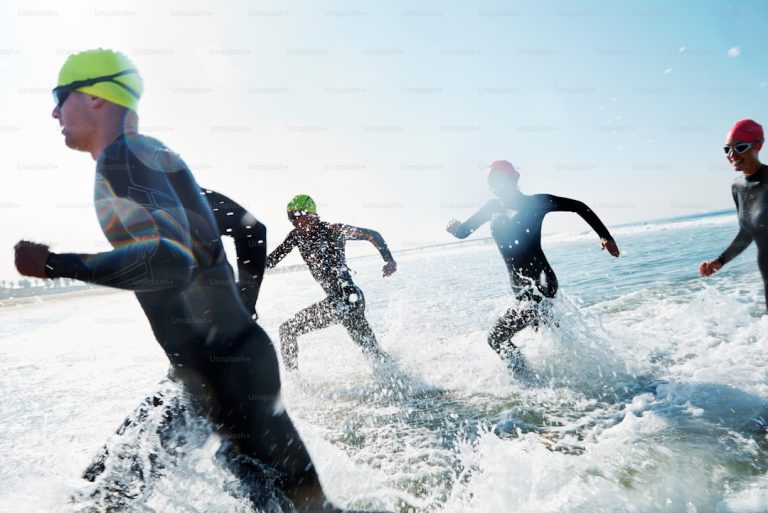
- Entry type: Beach run-in, pontoon dive, or deep water start? Each requires different technique.
- Buoy positions: Walk the beach and identify where the first buoy sits from the entry point. Note any landmarks behind the buoys for sighting (buildings, trees, shoreline features).
- Weed, current, temperature: All affect your pace and wetsuit choice.
- Exit ramp: Is it steep? Rocky? Slippery? Knowing the exit reduces T1 transition time significantly.
Bike Recon
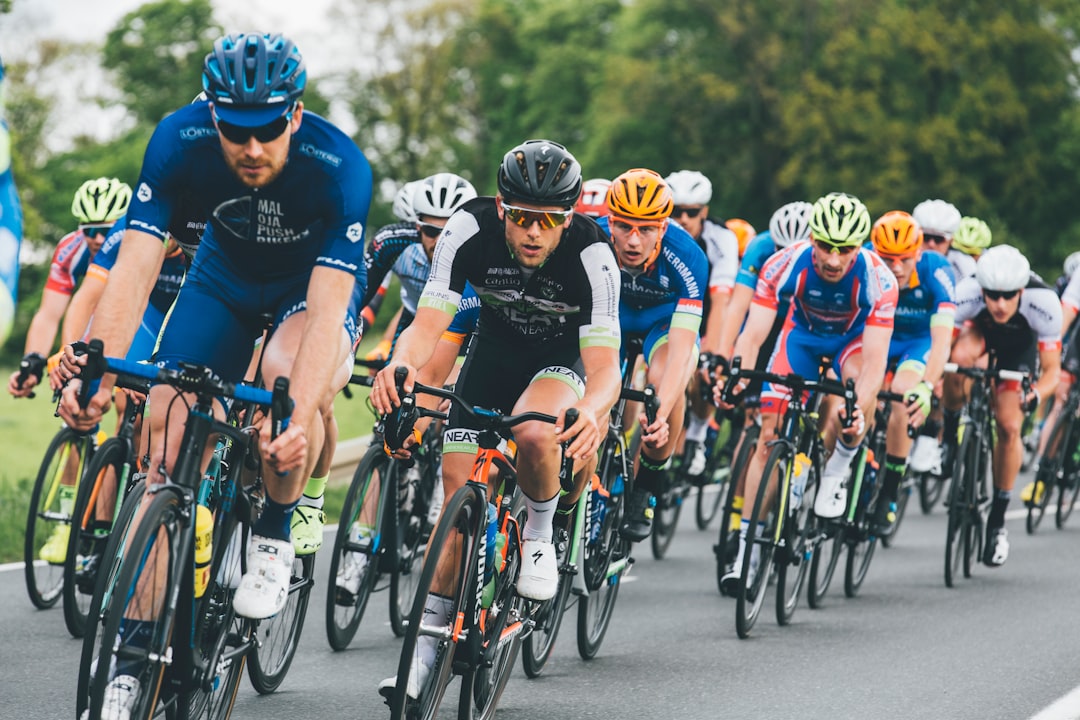
Ride the course (or at least the key sections) 1–2 weeks before race day. Focus on:
- Climbs: Note gradient, length, and where they fall on the course. Do you need to hold back early to save energy for a late climb?
- Descents: Identify where you can freewheel and recover, and any sharp corners to brake for.
- Surface quality: Rough roads demand wider tyres and higher tyre pressure tolerance.
- Turn points: U-turns and tight corners often cost time on race day — practise them in training.
- Aid stations: Confirm their positions so you can plan when to drink from your own bottles vs grab from the course.
Run Recon
If it’s a multi-lap run course, run at least one lap before race day. Note:
- Surface: Tarmac, grass, trail, or mixed? Choose shoes accordingly.
- Shade and sun exposure: Important for heat management on summer races.
- Km markers: Know where they are so you can execute your pacing plan.
- Crowd points: Where will spectators be? Use these as mental milestones.
When to Do Recon
Aim for 7–14 days before the race. This gives you time to adjust your race plan based on what you find — selecting different tyres, tweaking pacing targets, or rehearsing a tricky swim exit. Avoid visiting the course the day before a race for the first time; it’s too late to adapt, and surprises will only increase anxiety rather than reduce it. A brief pre-race shakeout ride or run over the first kilometre on the morning before race day (or during the briefing walk) is fine.
What to Record
Take photos or short videos of key decision points — the first buoy, the hardest climb, the final run turn. Review them during race week. Note your tyre pressure choices, nutrition timing relative to the course profile, and any gear adjustments. The more information you process in advance, the more mental bandwidth you have for racing on the day.