Triathlon Swimming in Choppy Water: Tips, Techniques and Tactics
You've trained in the pool for months. Your stroke is smooth, your bilateral breathing is consistent, and your CSS pace is on point. Then race day arrives and the open water is choppy — you swallow a mouthful on the first stroke and your whole race unravels. Choppy water is one of the biggest challenges in triathlon. Here's how to handle it.
What Makes Open Water Choppy?
Choppy conditions are typically caused by wind (creates surface chop), boat wash (at many UK race venues), or tidal movement in sea swims. The direction of chop matters — a headwind creates short, steep waves that disrupt your stroke cycle, while a crosswind creates rolling swells that affect balance and sighting.
Adapt Your Breathing
In rough conditions, your breathing pattern is the first thing to change. Bilateral breathing every three strokes works well in calm water, but in chop it can leave you gasping. Switch to breathing every two strokes on your calmer side — if the waves are coming from the left, breathe consistently to the right.
- Breathe to the sheltered side — away from the chop direction
- Exhale fully underwater so you can take a full breath at the surface
- Lift your head slightly higher when breathing in rough conditions
- Use a trickle breathe — exhale gradually through nose and mouth, not in a single burst
Modify Your Stroke
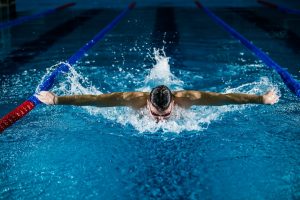
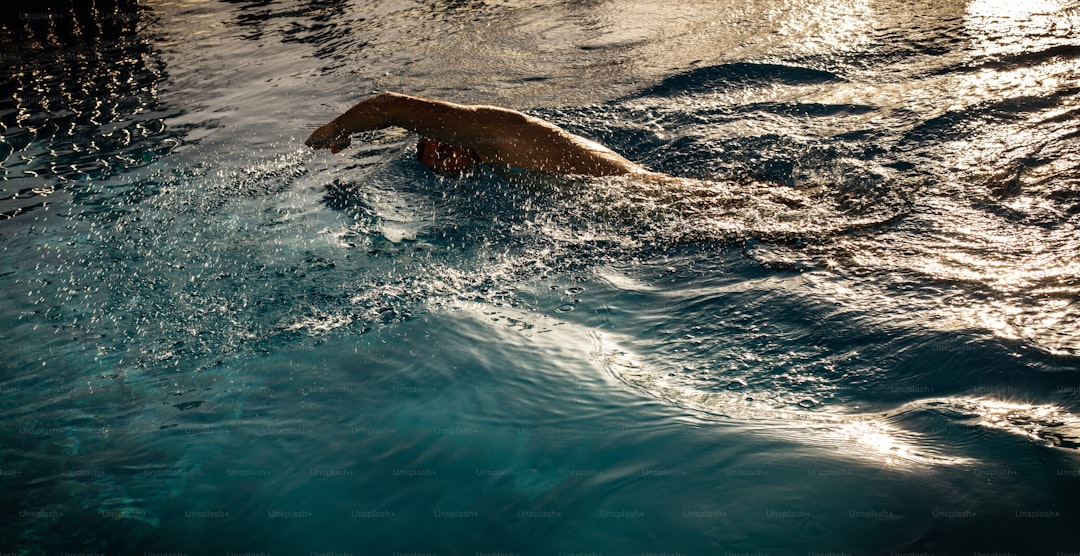
A flat, low recovery works for calm pool swimming, but in choppy water a higher arm recovery keeps your arm clear of the waves. Think about swinging your arm higher over the water surface rather than sweeping it low. Your stroke rate may also need to increase slightly to maintain momentum through the turbulence.
Sighting in Rough Conditions
Sighting is harder in chop because you can't see above the waves. Lift your head just enough to catch a glimpse of the buoy — look for the tops of buoys between swells. Sight more frequently in rough conditions (every 8-10 strokes rather than 12-15) to prevent swimming off course.
- Use crocodile eyes — just peek above the surface without fully lifting your head
- Sight on the upswing of a swell for a better view
- Choose a high landmark (a building or cliff) that's more visible than low buoys
- Swim toward the landmark when buoys are obscured
Drafting for Protection
In choppy open water, drafting behind another swimmer offers real protection. The swimmer ahead breaks the surface turbulence. Position yourself 30-50cm off the feet of a faster swimmer and let them do the hard work while you benefit from calmer water in their wake.
Mental Preparation
Perhaps most importantly: accept the conditions. Athletes who resist rough water waste energy fighting the chop. Those who embrace it — relax their stroke, breathe rhythmically and focus on forward progress — swim far more efficiently. Remember that everyone is in the same conditions: your advantage is preparation and practice.