Triathlon Swimming in Choppy Water: Tips and Techniques
Flat-pool swimmers often discover on race day that open water behaves very differently from the lane ropes. Choppy water can disrupt rhythm, increase anxiety, and slow you down significantly if you haven’t trained for it. The good news: a few targeted techniques transform choppy water from a weakness into a non-issue.
Why Choppy Water is Different
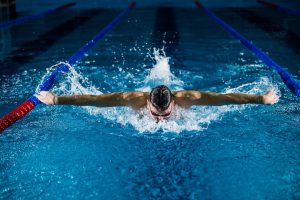
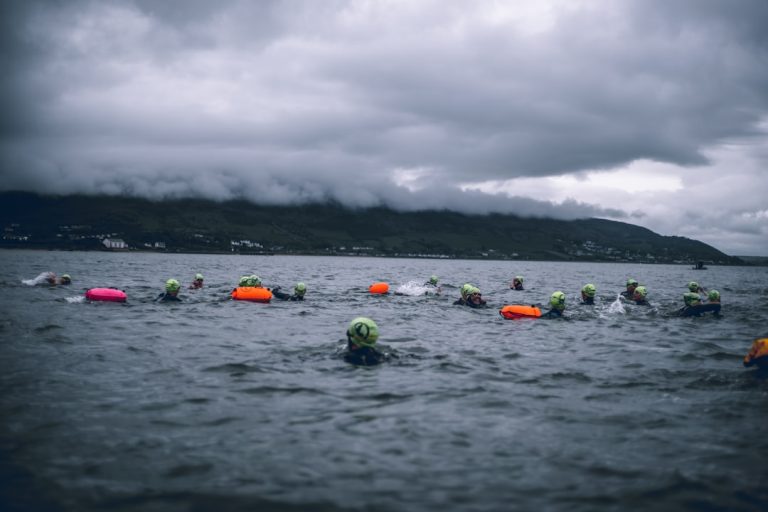
In choppy conditions, waves hit you from multiple angles as other swimmers, boat wash, and wind create an unpredictable surface. Breathing becomes harder, your streamlined body position is disrupted, and sighting — already challenging in open water — becomes even more critical when visibility is reduced by whitecaps. Many swimmers also experience anxiety in rough conditions, which elevates heart rate and accelerates the onset of fatigue.
Technique Adjustments for Choppy Conditions
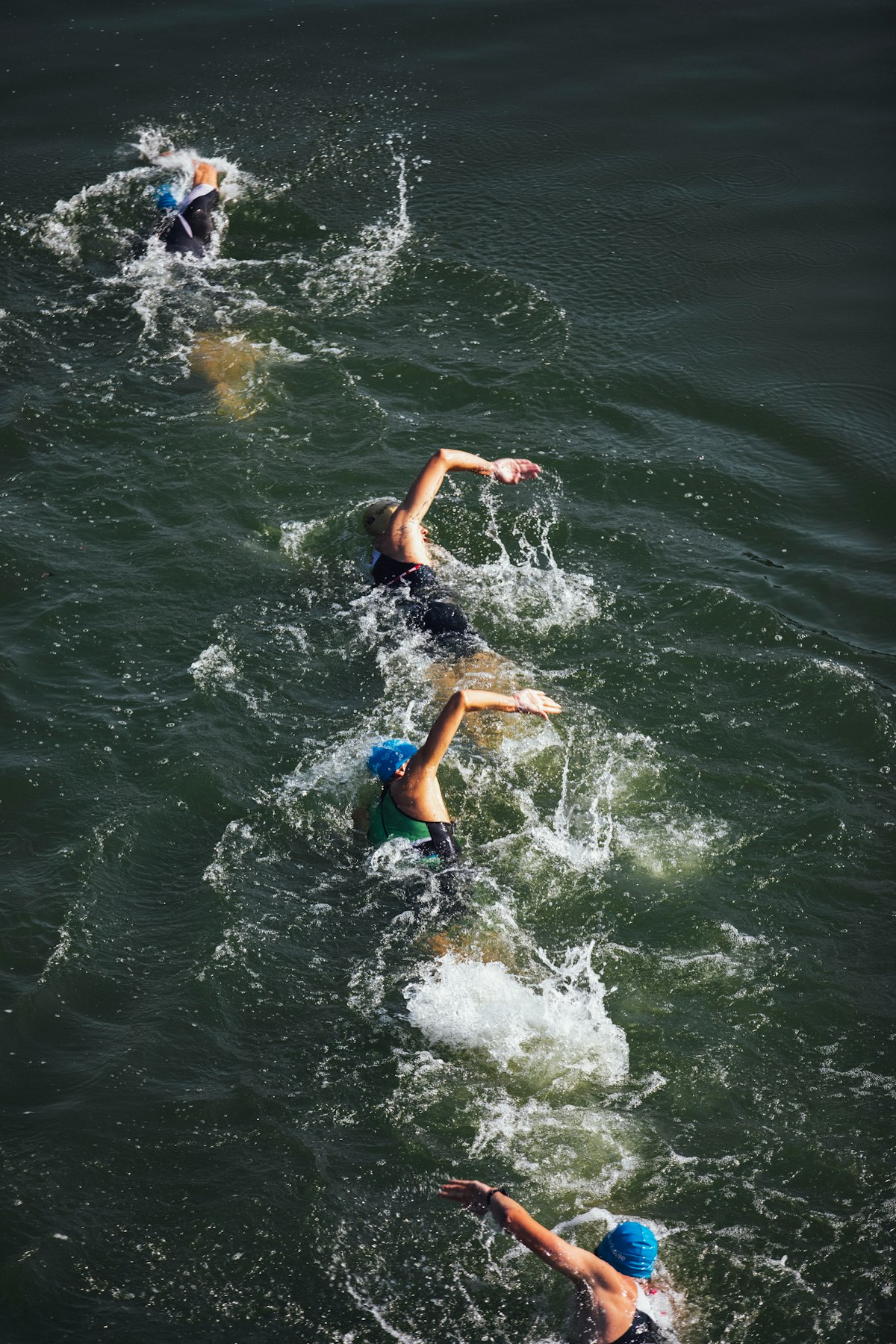
- Shorten your stroke cycle — A long, gliding freestyle stroke is efficient in calm water but vulnerable to disruption in chop. Increase your stroke rate slightly to maintain momentum when waves interrupt your glide.
- Bilateral breathing — Breathing on both sides gives you flexibility. If chop is hitting from one direction, you can time your breaths to the calmer side.
- Raise your head slightly more during sighting — In flat water you can sight with just your eyes above the surface. In chop, raise a little higher to clear the wave tops. Keep sighting brief — just long enough to spot your target buoy.
- Kick more actively — A stronger kick helps stabilise your body position when waves try to push you off course.
- Use the waves — If conditions allow, try to time your breathing with the rhythm of the swells. Swimming slightly diagonally into large swells rather than directly into them can also reduce resistance.
Mental Strategies
Anxiety in choppy water is normal but manageable. Before the race start, spend a few minutes in the water acclimatising — feel the conditions on your skin, practise a few strokes, and remind yourself that everyone is racing in the same conditions. Focus on your breathing rhythm rather than the surface conditions, and break the swim into sections between buoys rather than thinking about the full distance.
If you start to panic during the race, roll onto your back for five seconds to catch your breath and reset — this costs far less time than a full anxiety spiral.
Training for Choppy Water
The best preparation is simply getting into open water regularly in a variety of conditions. If you have access to a reservoir, lake, or the sea, try to practise in mild chop before encountering it on race day. Focus on your sighting frequency and breathing pattern. Even if conditions are calm during practice, you can simulate the increased stroke rate and head-high sighting that rough water demands.