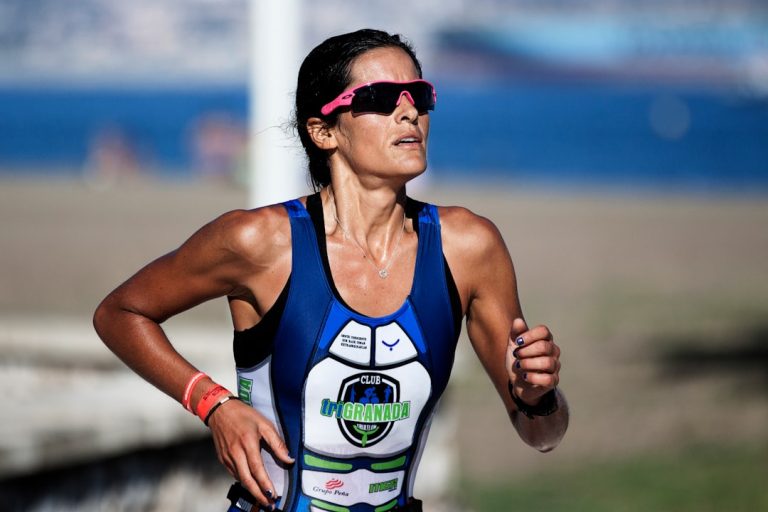
How to Fuel Long Training Sessions: Complete Triathlete Nutrition Guide
The difference between a great long session and a terrible one often comes down to one thing: fuelling. Get it right and you'll finish strong. Get it wrong and you'll bonk at kilometre 80, spend the next day exhausted, and wonder why your performance is plateauing. Here's exactly what you need to eat and drink before, during and after long training sessions.
What Counts as a Long Session?
For fuelling purposes, any session lasting longer than 90 minutes qualifies as a long session that requires active nutrition. Below 90 minutes, your glycogen stores are typically sufficient — but above that threshold, you need exogenous carbohydrate to maintain pace and avoid the dreaded bonk.
Before: Pre-Session Nutrition
Eat a carbohydrate-rich meal 2-3 hours before your long session. Aim for 1-2g of carbohydrate per kilogram of bodyweight. For a 70kg athlete, that's 70-140g of carbs — roughly one large bowl of porridge with banana, or two slices of toast with jam.
- 2-3 hours before: Full carb-rich meal (porridge, rice, pasta, toast)
- 60 minutes before: Optional small snack — banana, energy bar, rice cake
- 15-30 minutes before: 500ml water or electrolyte drink
During: In-Session Fuelling
The latest sports science recommends 60-90g of carbohydrate per hour for sessions over 90 minutes. To absorb at the upper end, use multiple carbohydrate sources (glucose + fructose) — this uses different intestinal transporters and allows higher absorption rates. Most modern gels and drinks combine maltodextrin with fructose for this reason.
- 1-2 hours: 60g carbs/hour — one gel every 30 minutes, or a sports drink
- 2+ hours: 80-90g carbs/hour — mix gels with solid foods (rice cakes, flapjack)
- Hydration: 500-750ml fluid per hour, more in heat
- Sodium: 500-1000mg per litre of fluid to prevent hyponatraemia on very long sessions
After: Recovery Nutrition
The 30-minute window after training is the most important time for recovery nutrition. Your muscles are primed to absorb carbohydrates and protein, and missing this window extends your recovery time significantly.
- Carbohydrate: 1-1.2g per kg bodyweight to replenish glycogen stores
- Protein: 20-40g to stimulate muscle protein synthesis
- Fluid: 1.5x the weight lost during training (weigh before and after)
Practical Tips
- Practice your race-day nutrition plan during training — never try new products on race day
- Set a watch alert every 20-30 minutes to remind yourself to eat and drink
- Liquid carbohydrates are easier to digest than solids at high intensity
- Train your gut — it can adapt to higher carbohydrate intake over weeks of practice
- If you feel hungry during a session, it's already too late — eat before hunger strikes