Triathlon Relay Guide: How to Race as a Team
Not everyone wants to swim, bike and run a triathlon solo. Relay racing lets you do your strongest discipline, share the experience with friends, and often produces a faster finishing time than any member of the team could manage alone. Here is everything you need to know to enter your first triathlon relay.
How Triathlon Relay Works
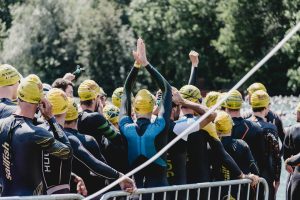
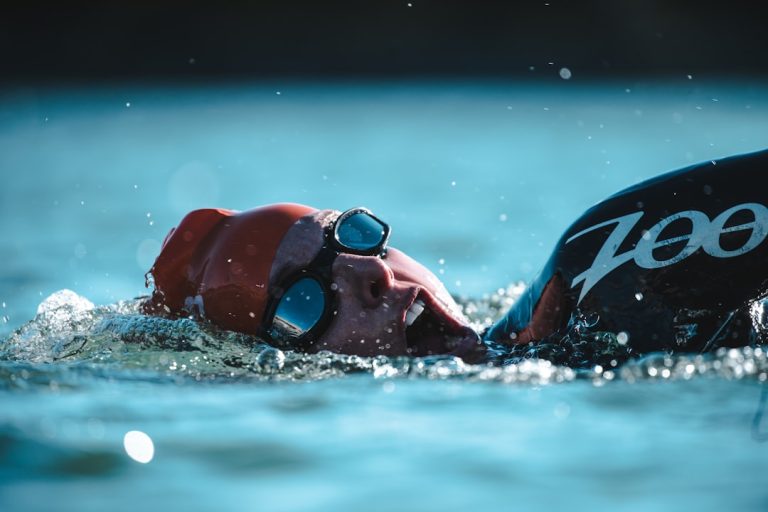
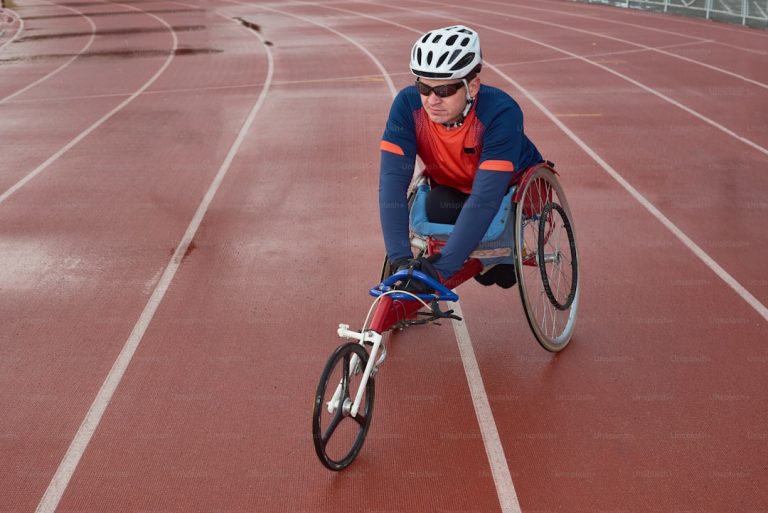
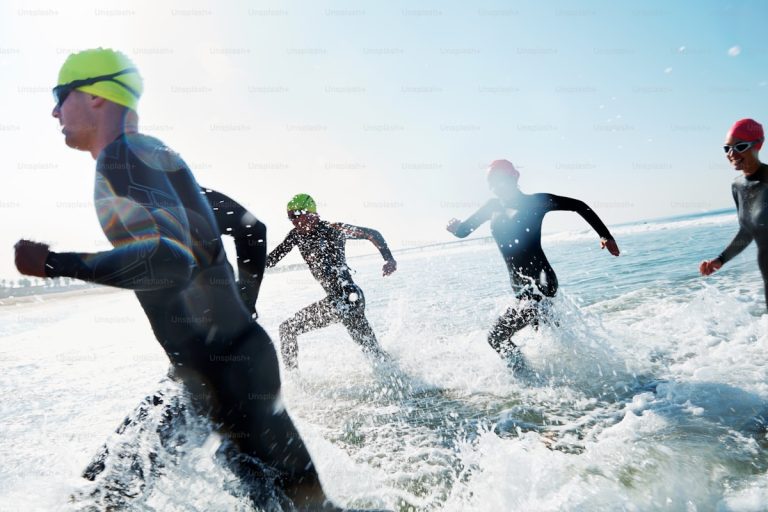
In a standard triathlon relay, a team of two or three athletes each completes one leg. The most common format is three athletes: one swimmer, one cyclist, one runner. Two-person relays are also common — one athlete handling the swim and bike, the other taking the run. The relay format is specified by each race, so check your event’s rules before registering.
Relay handoffs happen in the transition zone. After the swimmer finishes and reaches T1, the cyclist begins. After the cyclist racks the bike at T2, the runner tags off and starts the run leg. The timing chip is typically passed between athletes at each exchange, and both must be present in the designated relay zone for the handoff to be valid.
Finding Your Team
- Start with your existing network — running clubs, cycling groups, swimming clubs and masters swimming
- Many UK races have relay-specific social media groups where lone athletes post looking for partners
- Triathlon England clubs often have members who prefer one discipline — ask your local club secretary
- A mixed-discipline team (one specialist per leg) typically produces the most competitive relay time
Rules You Must Know
- Relay athletes must wait in the designated relay zone — you cannot support your teammate on course
- Only the active athlete may wear the timing chip during their leg
- Most UK events allow any combination of leg assignments — always verify in the specific race rules
- Mixed gender relay categories exist at most UK events — men and women can race on the same team
- Age category is usually based on the average or oldest team member — check per event
Race Day Coordination
Relay teams need significantly more coordination than solo athletes on race morning. All team members require registration and, at larger events, separate transition access wristbands. Agree in advance on transition signal protocols — your cyclist needs to be racked and ready in T1 before the swimmer exits the water, or you will burn seconds with the incoming athlete waiting. Build a shared race morning plan so everyone knows their arrival time and briefing location.
Is Relay the Right Entry Point for You?
Relay triathlon is ideal for beginners not ready for the full event distance, athletes with injuries restricting certain disciplines, or anyone who wants the race atmosphere and finish line experience with friends. It is also an excellent way for cyclists and runners who are reluctant to add swim training to experience triathlon firsthand — and it often becomes the motivation they need to learn. The finish line feeling is identical whether you raced solo or as a team.