Summer Triathlon Training: How to Adapt Your Plan for Hot Weather
Why Heat Changes Everything
Training in summer heat is not just uncomfortable — it is physiologically different. Your heart rate rises faster and higher for the same effort, your plasma volume decreases, and your core temperature reaches critical thresholds sooner. If you continue executing your training plan as written without adjustments, you risk overtraining, poor adaptation, and underperforming in your target races. Here is how to adapt intelligently.
Train by RPE, Not Pace or Power
On a 28°C day, your threshold pace will be slower and your FTP-equivalent power will be lower — that is not a loss of fitness, it is a physiological fact. Switch to effort-based training during heatwaves. If your training plan says Zone 3, train at Zone 3 effort regardless of what your Garmin shows for pace or watts. Chasing pace targets in the heat is how athletes accumulate fatigue without gaining fitness.
Shift Sessions to Early Morning or Evening
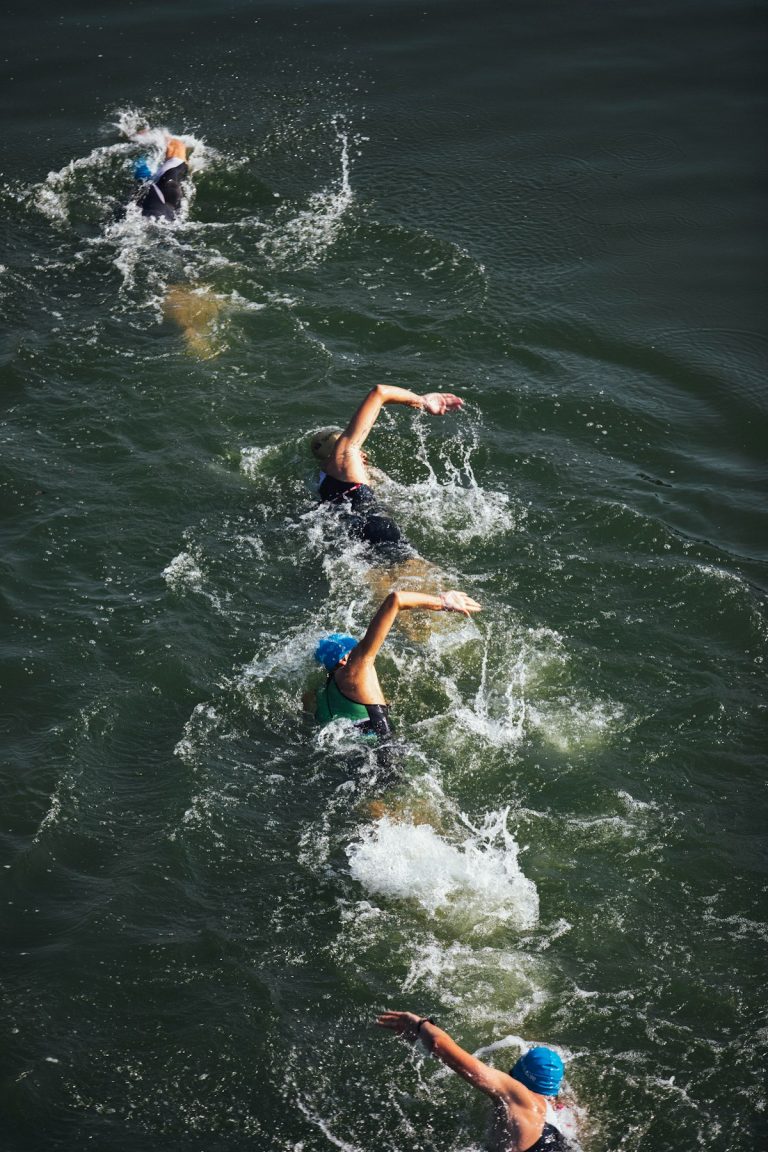
The thermal load of training outdoors at 2pm in July is approximately double that of training at 7am or 7pm. Shifting your long ride or run to early morning is the single highest-impact adjustment you can make. Open water swims scheduled for midday should move to early morning when water temperatures are more tolerable and air temperatures have not yet peaked.
Increase Fluid and Electrolyte Intake
Sweat rates in summer training can be 1–2 litres per hour, compared to 0.5–0.8 litres in cooler conditions. Scale your hydration accordingly. Add sodium to your drinks (homemade electrolyte drinks or commercial tabs) to support fluid retention and prevent hyponatraemia during long sessions. Weigh yourself before and after long workouts — 1kg of body weight loss equals approximately 1 litre of fluid deficit.
Shorten Session Duration by 15–20%
On exceptionally hot days (above 30°C), reduce planned session durations rather than cancelling them entirely. A 90-minute long run becomes 75 minutes. A 3-hour ride becomes 2.5 hours. You still accumulate the training stimulus without the excessive thermal stress. Quality is always better than quantity when heat is a factor.
Use Heat as a Training Tool (Strategically)
Controlled heat exposure can be beneficial. Deliberate heat acclimatisation — through sauna sessions, hot baths post-training, or easy sessions in the heat — increases plasma volume, improves sweat rate efficiency, and lowers resting core temperature. These adaptations directly translate to better race performance in warm conditions. The key word is strategic: 2–3 sessions per week of deliberate heat exposure is beneficial; 7 days of grind-through-the-heat training is not.
Recovery Becomes Even More Critical
Heat training is physiologically demanding. Sleep, nutrition, and between-session recovery matter more during summer training blocks than at any other point in the season. Prioritise 8 hours of sleep, maintain high carbohydrate and protein intake, and watch HRV or resting heart rate closely — a sustained elevation is a reliable signal that your body needs an easier day, not another training block.