A Spectator’s Guide to Triathlon Races: How to Enjoy Race Day
Whether you’re new to watching triathlon or a seasoned supporter, knowing how to position yourself and what to expect transforms race day from confusing to genuinely exciting. This guide covers everything from where to stand to how to help your athlete perform their best.
Understanding the Triathlon Format
Triathlon consists of three disciplines — swim, bike, and run — completed back-to-back with two transitions (T1: swim-to-bike, T2: bike-to-run). Race formats range from sprint (750m swim / 20km bike / 5km run) through Olympic, 70.3, and Ironman. As a spectator, the transition zones and run course are your best opportunities to see your athlete multiple times.
The Best Places to Watch
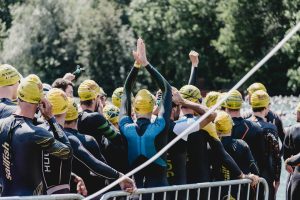
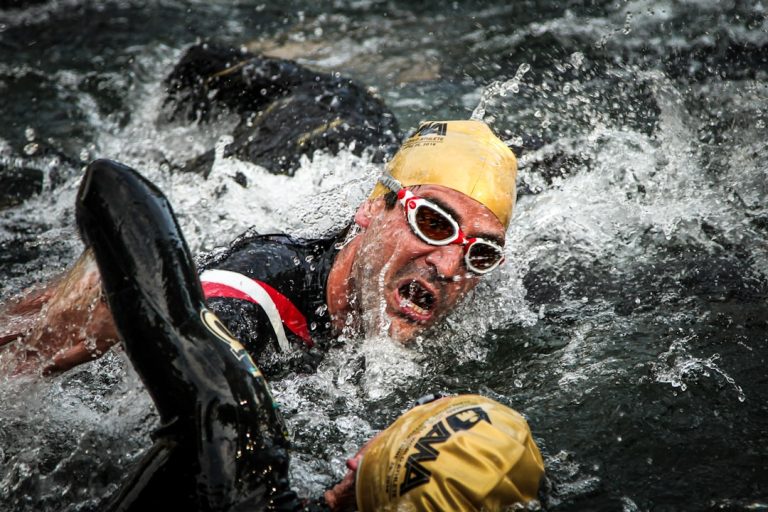
- Swim exit (T1 entry) — Athletes sprint from the water and strip their wetsuits in seconds. It’s chaotic and brilliant. Get here 5 minutes before your athlete is expected out of the water.
- Transition zone exit — Watch them leave T1 on the bike or T2 on foot. Many venues allow spectators along the transition fencing.
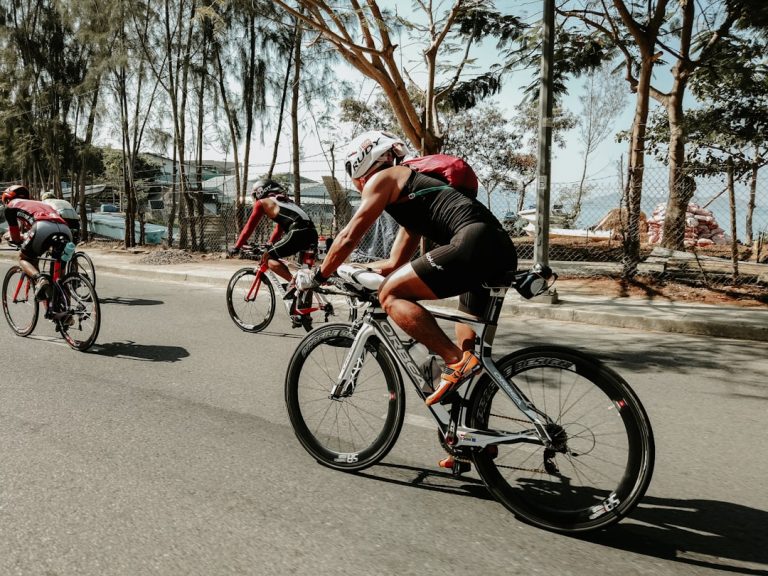
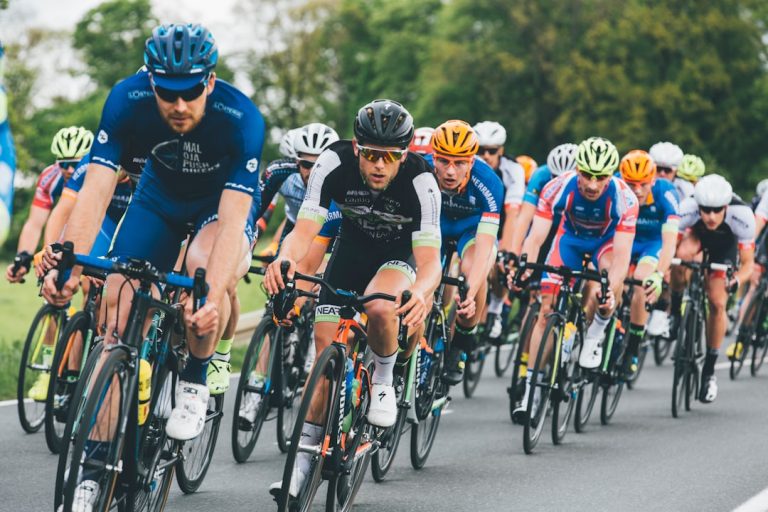
- Bike turnaround or climb — Out-and-back bike courses let you see every rider twice. Position yourself at the midpoint turnaround or a climb where riders slow down.
- Run course — 1km and final km — Most run courses loop past the start/finish area, giving you multiple sightings. The 1km mark and the 500m-to-go point are ideal viewing spots.
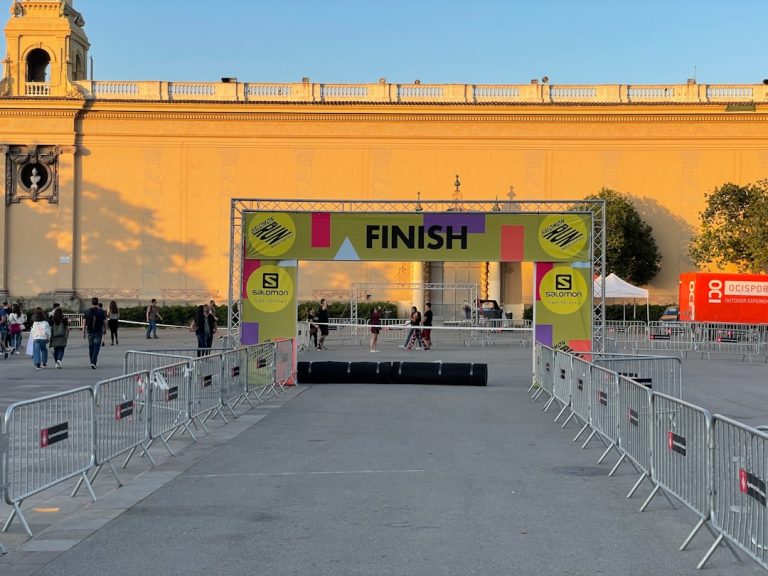
- Finish line — The most emotional spot on the course. Arrive early — it gets very crowded near the end of the race window.
What to Bring as a Spectator
- A printed or downloaded course map — Study it the night before so you know exactly where to move and when.
- Comfortable trainers and layers — You’ll cover a lot of ground, and early race starts can be cold even in summer.
- Snacks and water — Races can last 1–8 hours depending on the format. Don’t rely on food vans being nearby.
- A sign with name and race number — Athletes often can’t recognise faces in a crowd. A visible sign makes a genuine difference, especially on the run.
- The race tracking app — Most events offer live GPS tracking. Set up athlete tracking the night before so you know exactly when to expect them at each checkpoint.
How to Support Your Athlete
Your support has a real physiological impact on race performance, particularly on the run when fatigue peaks. Here’s how to maximise it:
- Shout their name and race number clearly — not just generic cheering.
- Be specific and positive: “You’re looking strong!” or “Two kilometres to go — you’ve got this!” works far better than vague encouragement.
- Avoid saying “nearly there” unless they truly are — false reassurance can actually demoralise a tired athlete.
- Don’t offer unsolicited food or drinks — this can violate race rules and may upset a carefully planned nutrition strategy.
- After the finish, give them 10–15 minutes to recover before asking how it went. Provide water or their post-race food if they’ve prepared it in advance.
Race Day Logistics Tips
Arrive at least 90 minutes before the race start — transition zones open early and your athlete will appreciate a familiar face during their warm-up. Parking near triathlon venues fills fast; use public transport or park at a distance and walk in. Always read the race organisers’ spectator guide (usually on the event website) — some venues restrict spectator access near the swim start or transition zone for safety reasons. Finally, embrace the unpredictability: transitions are noisy, transition bags are everywhere, and athletes will be in their own world — that’s exactly what makes triathlon unique to watch.