Open Water Swimming: A Beginner’s Guide
Making the leap from pool swimming to open water can feel daunting, but it’s an essential skill for triathlon success. The good news? With the right preparation and mindset, you’ll soon discover that open water swimming offers a freedom and excitement that no pool can match.
Why Open Water Is Different
The controlled environment of a pool doesn’t prepare you for everything you’ll encounter outdoors. Open water brings waves, currents, limited visibility, and the absence of lane ropes and black lines to follow. Water temperature fluctuates, and you’ll need to navigate without the luxury of pushing off walls every 25 or 50 metres.
But here’s what makes it worthwhile: swimming in lakes, rivers, or the sea connects you with nature in a way that transforms training into an adventure. Once you’ve mastered the basics, you’ll wonder why you didn’t start sooner.
Essential Gear for Open Water
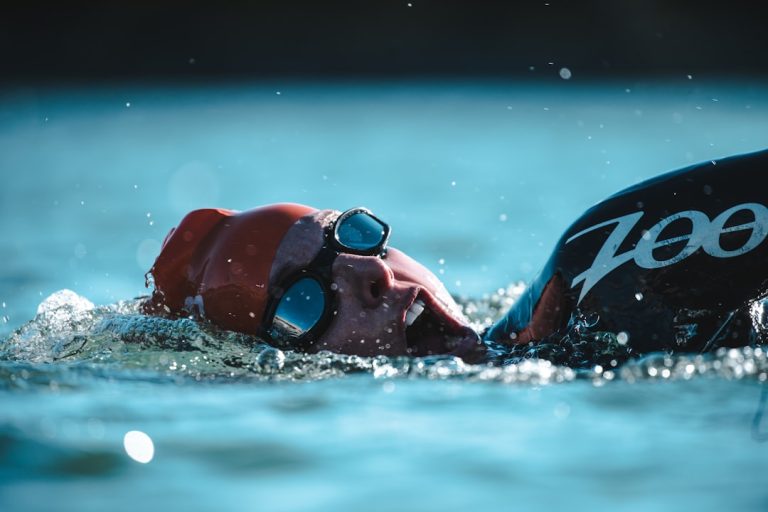
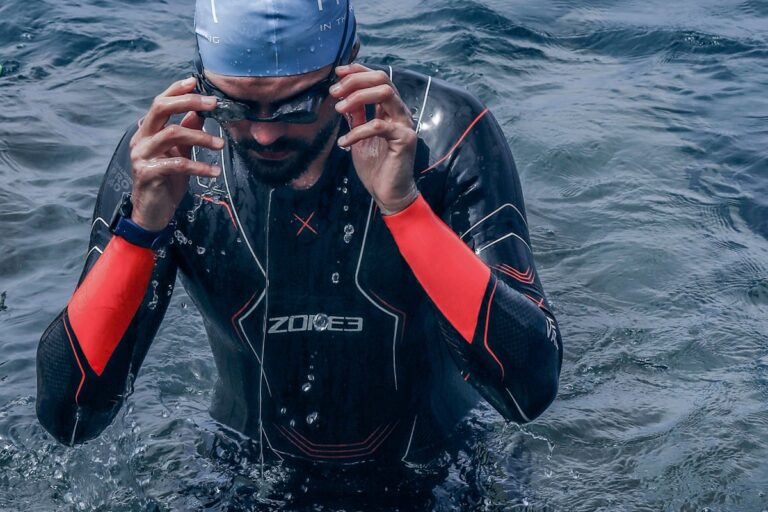
Your equipment needs are straightforward but critical. A properly fitted wetsuit is your first priority—it provides buoyancy, warmth, and confidence. Don’t skimp here; a wetsuit that’s too tight will restrict your breathing and shoulder rotation, whilst one that’s too loose will let in water and slow you down.
Invest in open water swimming goggles with a wider field of vision than your pool goggles. Tinted lenses help in bright conditions, whilst clear lenses work better in overcast weather or early morning swims. Consider buying both.
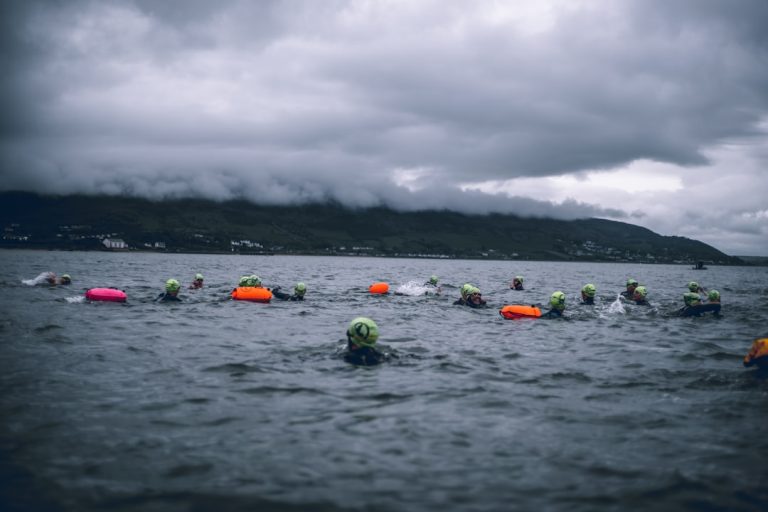
A brightly coloured tow float is non-negotiable for safety. It makes you visible to boats and kayakers, provides flotation if you need a rest, and can carry your keys and phone in a dry bag compartment.
Safety Basics You Must Follow
Never swim alone in open water—this is the golden rule. Even experienced swimmers can encounter cramp, disorientation, or sudden fatigue. Swimming with others or joining a local open water swimming group provides both safety and motivation.
Check the weather forecast and water conditions before every swim. Strong winds create waves and currents that can exhaust even fit swimmers. If in doubt, postpone your session.
Tell someone where you’re swimming and when you expect to finish. It sounds obvious, but it’s easily overlooked when you’re eager to get in the water.
Acclimatisation: The Cold Water Challenge
Cold water shock is real and potentially dangerous. When you first enter cold water, your body’s natural response is to gasp and hyperventilate. This is why acclimatisation matters.
Enter the water slowly, allowing your body to adjust. Wade in up to your waist, splash water on your face and neck, and focus on controlling your breathing before you start swimming. The initial shock typically subsides within 60 to 90 seconds.
Start with shorter swims in cooler water and gradually increase your time as your body adapts. Regular exposure builds tolerance, but respect your limits. If you’re shivering uncontrollably or feeling confused, get out immediately.
Learning to Sight
Without lane ropes and a black line, you need to lift your head periodically to check your direction—this is called sighting. It’s a skill that feels awkward at first but becomes second nature with practice.
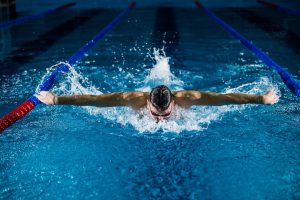
During your stroke, as your arm extends forward, lift your eyes just above the waterline to spot your landmark. Keep the movement minimal to avoid disrupting your rhythm or sinking your hips. Exhale as you sight, then turn your head to breathe as normal.
Choose a distinctive landmark that won’t move—a tall tree, building, or buoy. Sighting every six to ten strokes is usually sufficient in calm conditions, though you’ll need to sight more frequently in choppy water or when swimming near other competitors.
Building Your Confidence
Your first few open water swims should be about comfort, not speed or distance. Swim parallel to the shore where you can easily exit if needed. Focus on relaxing and trusting your wetsuit to keep you afloat.
If you feel anxious, roll onto your back and float for a moment. Your wetsuit provides excellent buoyancy—you won’t sink. This simple technique can be remarkably calming.
Gradually extend your distance as your confidence grows. Join organised open water swimming sessions where experienced swimmers and safety support are present. The camaraderie and collective knowledge of a group accelerates your learning far faster than swimming solo.
Remember that every open water swimmer started exactly where you are now. The challenges you face today will become the skills you take for granted tomorrow. Embrace the learning process, respect the water, and enjoy the journey.