Spring Running: How to Transition from Treadmill to Outdoor Running
Why the Transition Back Outside Feels Hard
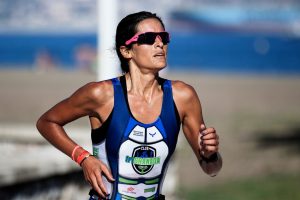
After months of treadmill running over winter, getting back outside in spring feels like a fresh start — but it often comes with an unexpected challenge: the outdoor environment makes running feel much harder than it did on the belt. Wind resistance, uneven ground, real hills and the absence of the treadmill’s mechanical assistance all increase your perceived effort. The good news is this adaptation happens quickly if you approach it sensibly.
Pacing Outdoors vs the Treadmill
A 5:00/km pace on a treadmill is easier than the same pace on the road. The treadmill belt assists your foot turnover slightly, eliminates wind resistance entirely and keeps the terrain perfectly flat. When you step outside, all those assists vanish. For your first outdoor runs, slow down by 20–30 seconds per km compared to your treadmill pace and let your body recalibrate. Your GPS will feel humbling at first — that’s normal, and it corrects within a few weeks.
Adapting to the Elements
- Wind — Run into the wind on the outward leg and with the wind at your back on the return. This prevents you blowing up early against a headwind with no energy left.
- Hills — Shorten your stride on climbs rather than trying to maintain pace. On descents, let your turnover increase naturally rather than braking hard with your heels.
- Surfaces — Your ankles and calves will work harder on pavement and trails than on a treadmill belt. Start with mostly flat, firm surfaces and gradually introduce variety.
- Temperature — Spring mornings in the UK can be cold and damp. Dress in layers you can remove, and start slightly underdressed — you’ll warm up quickly within the first kilometre.
A Three-Week Transition Plan
Don’t try to replicate your treadmill volume outdoors on day one. Instead, replace 25% of your indoor runs with outdoor sessions in week one, then 50% in week two, and go fully outdoors by week three. This gradual shift gives your feet, ankles and calves time to adapt to the different surface demands without the sudden jump in load that causes shin splints and calf strains.
Running Outdoors in Triathlon Training
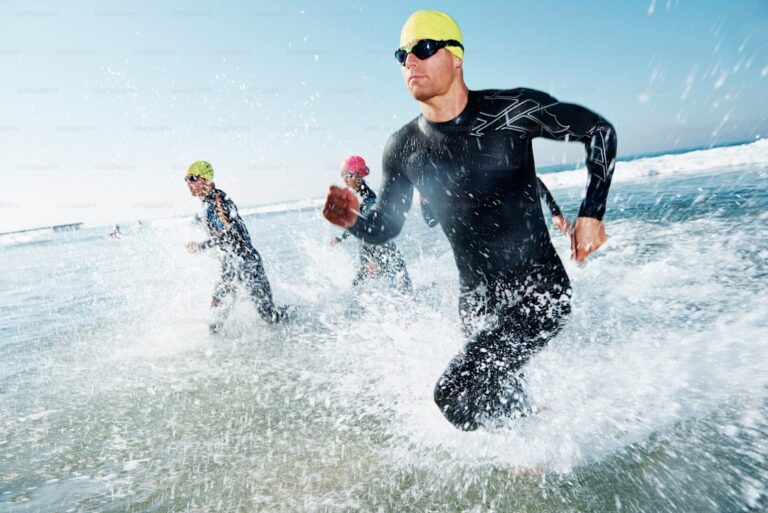
For triathletes, the outdoor run transition coincides with the start of the competitive season build phase — so it carries extra importance. Your outdoor running should prioritise aerobic base before you add intensity. Hold back on tempo work and intervals until your body is fully adapted to outdoor running, typically 2–3 weeks after transitioning. Once you’re comfortable, start introducing brick sessions (bike immediately followed by run) outdoors to simulate race conditions in the spring build-up.
Injury Prevention During the Transition
- Increase weekly outdoor running volume by no more than 10% per week.
- Add calf raises and single-leg strength work to prepare for the extra ankle load outdoors.
- Prioritise warm-up mobility, especially for your hips and calves, on cold spring mornings.
- If you feel shin tightness in your first outdoor sessions, take a rest day and reduce volume — don’t train through early shin splint warning signs.