How to Choose the Right Wetsuit Thickness for UK Open Water
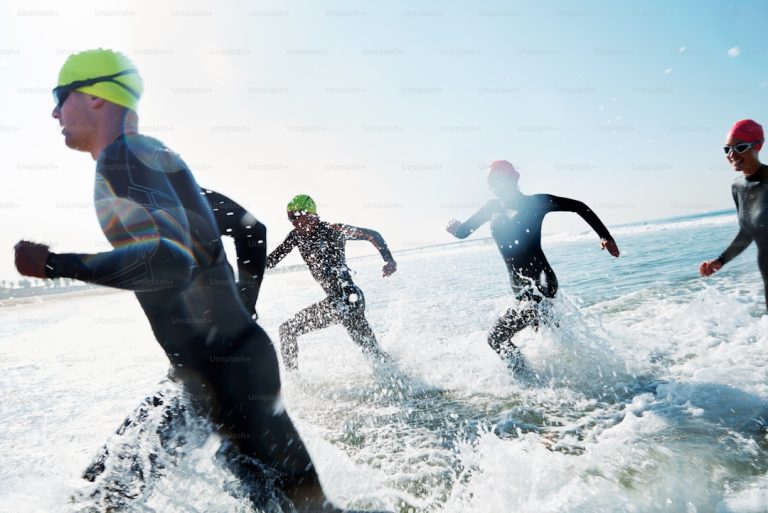
Choosing the right wetsuit thickness is one of the most important decisions an open water swimmer or triathlete faces. Get it wrong and you risk being too cold to perform — or too buoyant and restricted. Here is how to choose the right thickness for UK open water conditions.
Why Wetsuit Thickness Matters
Wetsuit thickness affects three things: thermal insulation, buoyancy, and flexibility. Thicker neoprene keeps you warmer but restricts movement, particularly in the shoulders. Thinner panels in the upper body maximise stroke efficiency, while thicker core panels provide lift. Understanding where different thicknesses are placed — not just the overall specification — is key to making the right choice.
Understanding the Numbers
Wetsuit thickness is measured in millimetres and typically expressed as a combination — for example, 5/3mm means 5mm in the core and 3mm in the limbs. Here is what each thickness level offers:
- 1.5-2mm — Very thin, for warm water above 22 degrees Celsius. Used in swimskins and sleeveless wetsuits. Provides buoyancy with minimal thermal insulation. Rarely appropriate for UK open water.
- 3mm (3/2mm) — Mid-season option for water temperatures of 18-22 degrees. Good flexibility throughout and lighter weight. Suitable for UK racing from July to September in warmer conditions.
- 4/3mm — The sweet spot for most UK conditions. Works well in water temperatures of 14-18 degrees. Most full-sleeve race wetsuits fall in this range and it covers the majority of UK racing scenarios.
- 5/3mm or 5/4mm — For cold water below 14 degrees Celsius. Standard for early spring and late autumn UK racing. Maximum insulation for winter open water swimming.
UK Open Water Temperatures by Season
- January-March — 4-8 degrees Celsius. You will want a 5mm wetsuit as a minimum. Consider neoprene gloves and a thermal swim cap for extended swims.
- April-May — 8-13 degrees. A 5/3mm is appropriate. Many early-season UK races fall in this range.
- June — 13-17 degrees. A 4/3mm works well. The water is cool but manageable for most athletes.
- July-August — 17-21 degrees. A 3/2mm or 4/3mm depending on location. Inland reservoirs warm faster than coastal or tidal waters.
- September-October — 14-18 degrees. Back to a 4/3mm as temperatures drop. Late-season racing can be surprisingly cold in exposed coastal venues.
Competition Rules on Thickness
British Triathlon and World Triathlon rules cap wetsuit thickness at 5mm at any point. Any wetsuit must comply with this regulation when used in a sanctioned race. Above water temperatures of 22 degrees Celsius (20 degrees in some events), wetsuits may be prohibited entirely — always check the pre-race bulletin. In non-wetsuit conditions, a swimskin is typically permitted as an alternative to provide some hydrodynamic benefit.
Practical Tips for Choosing
- Check the water temperature forecast for your race location in the weeks before the event, not just the current reading.
- If you tend to run cold, go thicker. If you overheat easily, opt for a thinner or sleeveless option.
- Try a wetsuit on before buying if possible — fit and flexibility vary significantly between brands even at the same stated thickness.
- For UK racing between April and October, a quality 4/3mm suit covers the majority of race conditions you will encounter.