
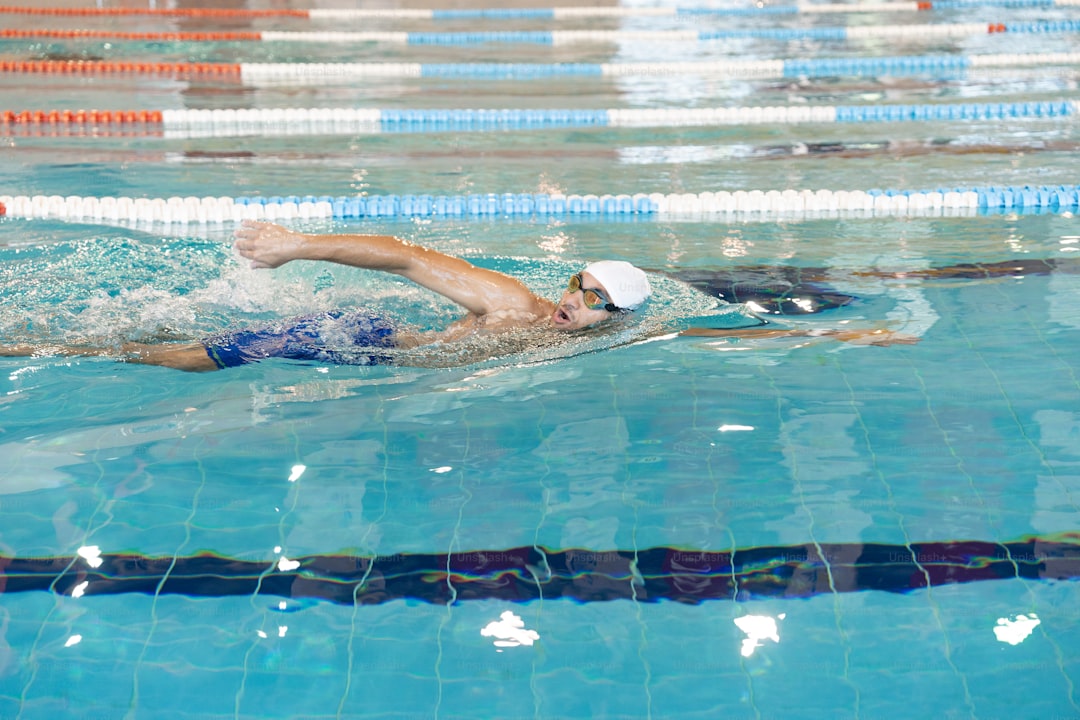
Open Water Swim Drafting Practice: 45-Minute Strategy Session
Session Overview
This 45-minute open water session focuses on the tactical skill of drafting — swimming close behind or alongside another swimmer to reduce drag and conserve energy. In races, effective drafting can save up to 20% of your energy expenditure on the swim leg. This session builds the positioning awareness, close-contact comfort, and tactical decision-making you need to execute it successfully on race day.
What You’ll Need
- Wetsuit (appropriate thickness for current water temperature)
- Open water safety buoy
- Swim cap and goggles
- At least one training partner — essential for drafting practice
- Familiarity with your open water venue’s safety procedures
Warm-Up (10 minutes)
Begin with 10 minutes of easy swimming at a comfortable aerobic pace. Sight every 6-8 strokes to build awareness of your position in the water relative to landmarks and other swimmers. Include two short buoy turns to practise the directional changes you will face in a race. Use this warm-up to acclimatise to the water temperature and get comfortable before intensity increases.
Main Set
This set develops the physical ability to hold a drafting position and the mental confidence to swim in close contact with other athletes. The lead swimmer sets a moderate-to-hard pace throughout. Rotate the lead role so all swimmers experience both drafting and leading.
- Set 1: 3 x 3-minute efforts drafting directly on the feet of your partner, 60 seconds easy between each. Aim for 0.5-1 metre separation — close enough to benefit from the draft without making contact.
- Set 2: 3 x 2-minute efforts drafting from the hip position, slightly behind and to one side of your partner. Practise switching from left-hip to right-hip position mid-effort to simulate real race conditions.
- Set 3: 2 x 4-minute race simulation efforts at full race pace. Draft for the first 2 minutes, then attempt to overtake and hold the lead position for the second 2 minutes. Allow 2 minutes easy between efforts.
Cool-Down (5 minutes)
Finish with 5 minutes of easy backstroke or relaxed freestyle, focusing on slow, controlled breathing to bring your heart rate down. Use this time to debrief with your training partners on what worked and what felt uncomfortable — open water tactics improve significantly through shared feedback after each session.
Coaching Notes
- The most efficient drafting position is directly behind the swimmer ahead. If their kick is aggressive, shift slightly to the hip position to avoid being kicked.
- Do not over-sight when drafting — trust the swimmer ahead to navigate and sight every 12-15 strokes rather than your usual 6-8.
- To make the session harder, increase the pace of the lead swimmer. To make it easier, extend rest intervals between sets to 90 seconds.
- Target RPE 6-7 on the main efforts — comfortably hard race pace, not maximal sprinting.
You Might Also Like



Training at your own risk. The information provided is for general guidance only and is not a substitute for professional medical advice. Please consult a doctor before starting any new exercise programme, especially if you have any pre-existing health conditions.