Iron Deficiency in Triathletes: Signs, Causes and Prevention
Unexplained fatigue, a training pace that suddenly feels harder than it should, and recovery that isn’t keeping pace with your training load — these are easy to write off as normal triathlon tiredness. Sometimes they are. But iron deficiency is common enough in endurance athletes that it’s worth knowing the signs before you assume you just need more sleep.
Why Triathletes Are at Higher Risk
Endurance athletes lose iron faster than sedentary people through several mechanisms at once: foot-strike haemolysis from running breaks down red blood cells, heavy sweating loses iron directly, and hard training can cause low-level gastrointestinal bleeding. Female athletes carry an additional load from menstrual blood loss, which is why iron deficiency (with or without anaemia) is reported in roughly 20-50% of female athletes and 4-15% of male athletes in some studies — substantially higher than the general population.
Symptoms to Watch For
- Fatigue that doesn’t match your training load — feeling flat on easy days, not just after hard sessions
- Declining performance at a stable or lower training load — paces or power that used to feel manageable suddenly don’t
- Elevated heart rate for a given effort — your body compensates for reduced oxygen-carrying capacity by working harder
- Breathlessness during efforts that didn’t previously cause it
- Headaches, dizziness, or poor concentration — even mild iron depletion can affect cognition and sleep quality before it shows up as full anaemia
Iron deficiency anaemia specifically has been shown to reduce endurance performance by up to 30% — a large enough effect that it’s worth ruling out rather than training through.
Getting Tested Properly
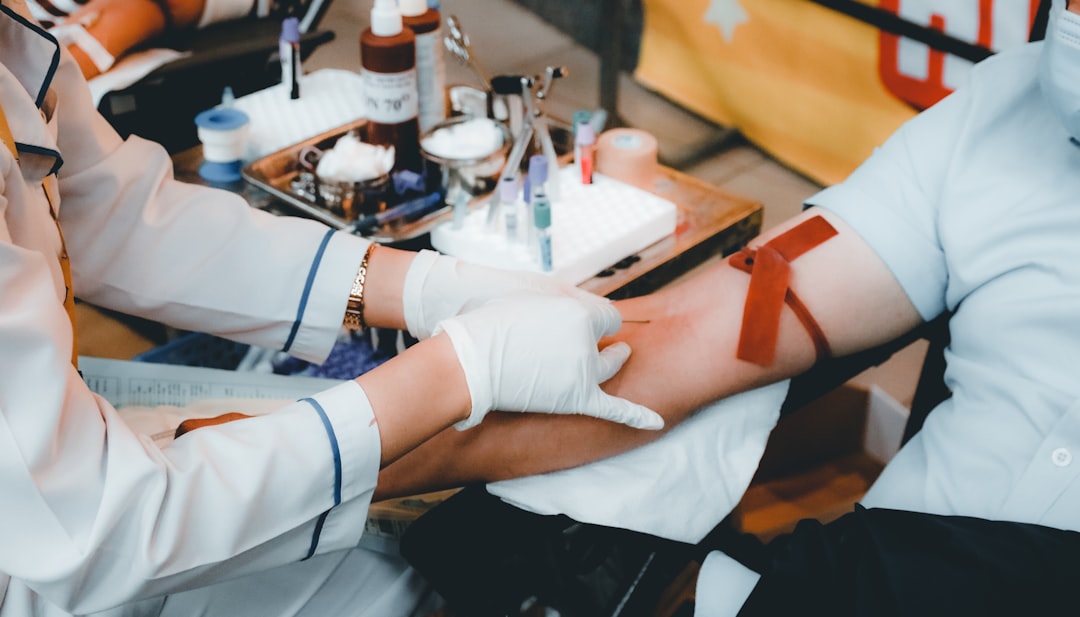
A standard full blood count can look normal even when iron stores are genuinely low — the number that actually matters for athletes is ferritin, which reflects stored iron rather than just circulating haemoglobin. Ask your GP specifically for a ferritin test alongside a full blood count if you’re an endurance athlete with persistent fatigue; many sports medicine clinicians aim for ferritin levels of at least 50 ng/mL in athletes, higher than the general population reference range, because performance and recovery can suffer well before clinical anaemia sets in.
Prevention Through Diet
- Prioritise haem iron sources — red meat, poultry and fish are absorbed far more efficiently than plant (non-haem) iron sources
- Pair plant iron sources with vitamin C — lentils, spinach and fortified cereals absorb better alongside citrus, peppers or tomatoes in the same meal
- Avoid tea or coffee with iron-rich meals — tannins and polyphenols significantly reduce iron absorption if consumed at the same time
- Don’t supplement blindly — high-dose iron supplements taken without a confirmed deficiency can cause gastrointestinal issues and, in rare cases, iron overload; test first, supplement based on results, and recheck levels rather than assuming a fixed dose is correct long-term
When to Get Medical Support
If fatigue and declining performance persist for more than a couple of weeks despite adequate recovery, get a ferritin test rather than pushing through or self-diagnosing. This is especially worth doing before a key training block or A-race, since correcting a deficiency takes weeks to months, not days.
The Bottom Line
Iron deficiency is common, often silent in its early stages, and easy to mistake for normal training fatigue. If your fatigue, pace or recovery has genuinely shifted for no obvious reason, ask for a ferritin test alongside a standard blood count — it’s a cheap, simple check against a problem that can otherwise quietly undermine a whole training block.
See also our guides on recovery nutrition, triathlon nutrition strategy, and how sleep affects triathlon performance.