Professional Bike Fit vs DIY: What You Actually Need and When
Somewhere between “just get on and ride” and a £300 motion-capture fitting session with pressure-mapped saddles and 3D knee-tracking sits the real answer for most triathletes: it depends what you’re trying to solve. Here’s how to work out which one you actually need.
What a DIY Fit Gets You
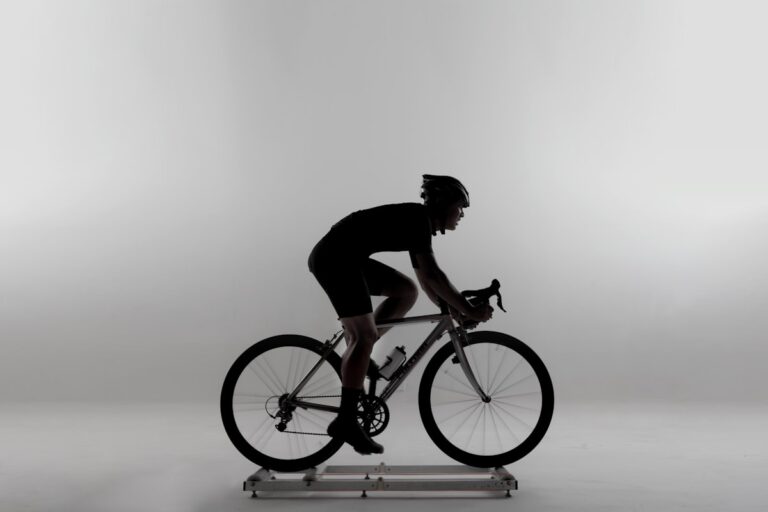
A DIY fit is static measurement — setting saddle height, fore-aft position and reach using known formulas and reference points, then fine-tuning by feel over a few rides. It costs nothing but time, and for most people starting out, it gets you close enough to be comfortable and injury-free.
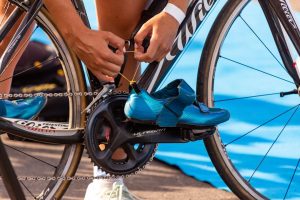
- Saddle height — a widely used starting point is roughly 0.88-0.89x your inseam measured from the pedal axle to the top of the saddle, though this varies with shoe/cleat stack and pedalling style.
- Saddle fore-aft — with the crank horizontal, your kneecap should sit roughly above the pedal axle as a neutral starting point.
- Reach and handlebar drop — set conservatively at first (higher, shorter) and adjusted gradually over weeks, not in one sitting.
This approach works well for a first road or entry-level tri bike, or as a sanity check before you invest more time or money.
What a Professional Fit Adds
A professional fitter uses tools a DIY fit can’t replicate: motion capture or video analysis of your actual pedal stroke, pressure mapping to identify saddle pressure points before they become numbness or saddle sores, and — critically for triathletes — the ability to assess your position dynamically, at race effort, in the aero position you’ll actually hold for hours, not just sat on a trainer in the garage.
A good fitter will also account for things a formula can’t: flexibility and mobility limitations, old injuries, asymmetries between your left and right side, and how your position needs to change between the bike leg and being able to run off it. Expect a proper triathlon-specific fit in the UK to typically run somewhere in the £150-£300 range, and to take 2-3 hours.
When to Pay for a Professional Fit
- You’re buying a new TT/tri bike — get fitted before or as part of the purchase, not after, since it can affect frame size and stem/crank spec.
- You have recurring pain — knees, lower back, neck, hands or saddle discomfort that doesn’t resolve with small DIY tweaks.
- You’re stepping up in distance — a position that’s fine for a sprint triathlon can fall apart over an Ironman-distance bike leg.
- You’re chasing performance and have already handled training, pacing and nutrition — aero position is one of the highest-value remaining gains for most age-groupers.
When DIY Is Genuinely Fine
If you’re comfortable, uninjured, and hitting your training targets without niggles, you don’t need to spend money proving that on a machine. Revisit it if your bike, body, or goals change significantly — a new frame, a big block of off-season strength work, or stepping up from sprint to 70.3 are all good triggers to check your position again.