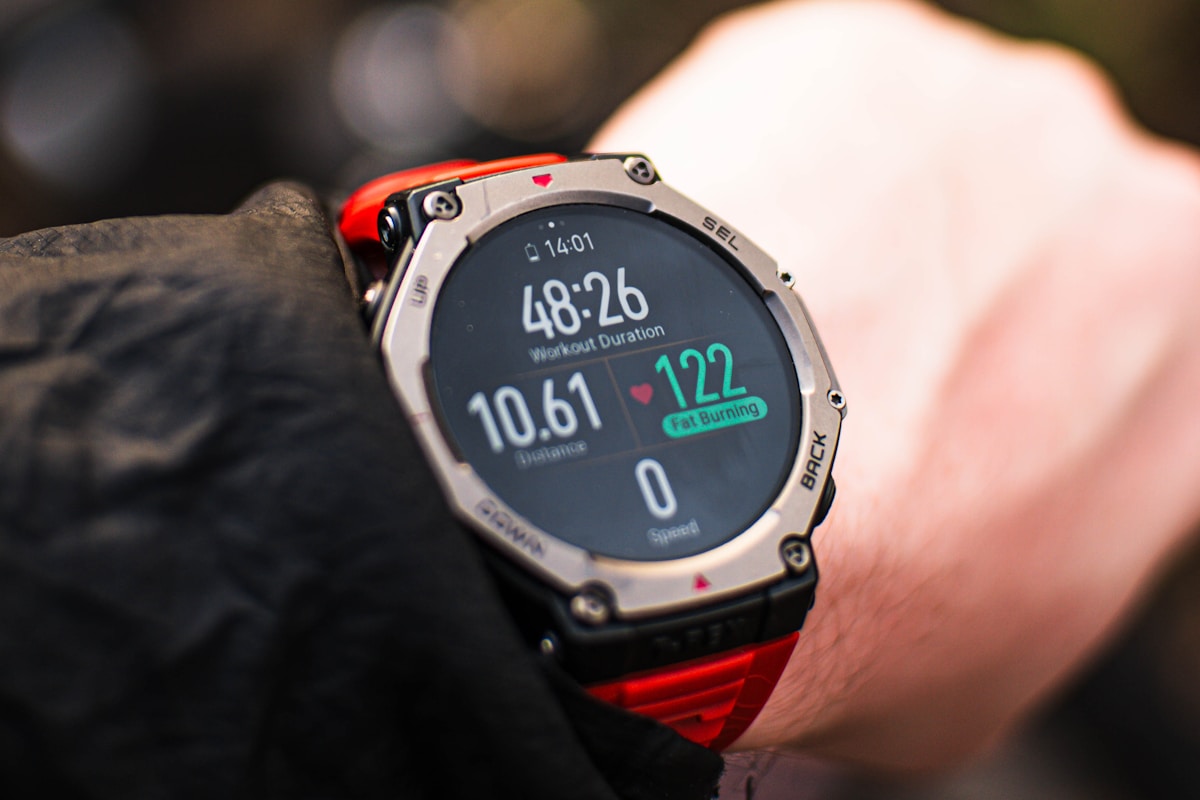
Understanding CTL, ATL and TSB: The Training Load Metrics Every Triathlete Should Know
If you train with a GPS watch and sync your workouts to a platform like TrainingPeaks or Garmin Connect, you have probably seen the acronyms CTL, ATL and TSB on your dashboard. These three metrics are among the most powerful tools available to a self-coached triathlete — yet most athletes glance at them without understanding what they actually mean or how to act on them.
What Is CTL (Chronic Training Load)?
CTL — often labelled Fitness on platforms like TrainingPeaks — is a rolling average of your training stress over approximately 42 days. Think of it as your long-term fitness level. A rising CTL means you are building fitness consistently. A falling CTL means you are detraining, intentionally or otherwise. Most age-group IRONMAN athletes aim to peak their CTL somewhere between 80 and 120 for a full-distance race, depending on training volume and history.
What Is ATL (Acute Training Load)?
ATL — labelled Fatigue — is a shorter rolling average covering approximately 7 days. It responds much more quickly to training than CTL. A hard training week will cause ATL to spike. A recovery week will cause it to drop. When ATL is very high relative to CTL, you are carrying significant fatigue, which is normal during a training block but something to manage carefully heading into a race.
What Is TSB (Training Stress Balance)?
TSB — labelled Form — is the difference between CTL and ATL: TSB = CTL – ATL. This is the number most athletes should focus on when planning race timing. A negative TSB means you are fatigued (more acute training stress than your baseline fitness). A positive TSB means you are fresh. For most triathlon races, you want to arrive with a TSB between +5 and +25. Too negative and you are overtrained; too positive and you have lost fitness through under-training.
How to Use These Metrics in Practice
- During base phase: Allow CTL to build gradually — aim for no more than 5-7 CTL points per week to reduce injury risk.
- During a training block: Expect ATL to exceed CTL (negative TSB). This is normal and represents productive stress.
- During taper: Reduce volume to let ATL fall while CTL stays high. TSB will rise toward race day.
- Race week target: Aim for TSB between +5 and +20. Experienced athletes often race well with slightly higher TSB than beginners.
- After a race: Expect TSB to crash. Give yourself a full recovery week before judging whether you need more rest.
A Note on Cross-Discipline Tracking
Triathlon training spans three disciplines, each generating different training stress scores. Most platforms calculate CTL/ATL/TSB per sport or as a combined multi-sport figure. It is worth reviewing these individually — you might be very fit on the bike (high swim CTL) while still underprepared on the run (low run CTL). Managing discipline-specific load is one of the biggest advantages of a data-driven approach to triathlon training.