Core Strength for Triathletes: Why It Matters and How to Build It
Core strength is the foundation of triathlon performance, yet it remains one of the most neglected areas of training. Whether you are trying to hold your aero position on the bike, maintain form in the final kilometre of a run, or power through the water with an efficient catch, every movement in triathlon starts from your core. This guide explains why core training matters and gives you a practical routine to add to your week.
What Your Core Actually Does in Triathlon
Your core is not just your abdominals. It encompasses all the muscles that stabilise your spine and pelvis — including your deep abdominals, obliques, glutes, hip flexors, and lower back. In triathlon, these muscles work constantly:
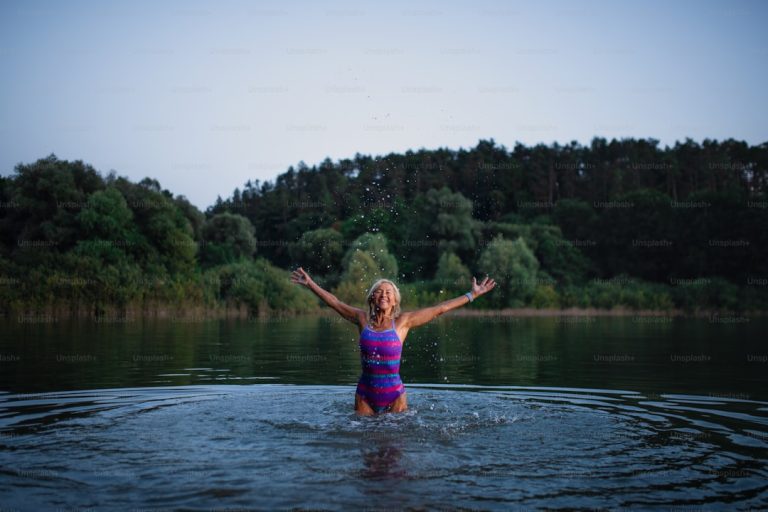
- Swimming: Core rotation drives each stroke and keeps your hips from sinking
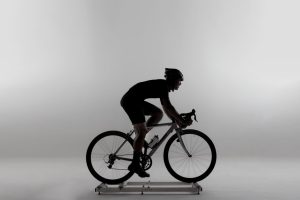
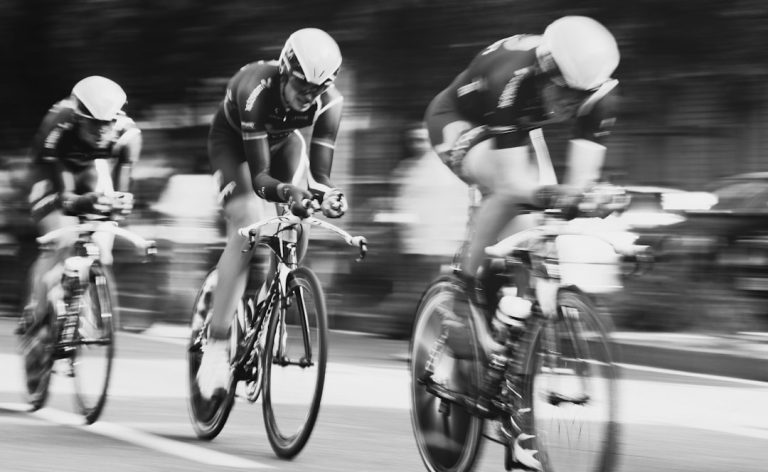
- Cycling: Core stability holds your torso steady in the aero position so your legs can push through the pedals
- Running: Core strength maintains upright posture and prevents lateral sway, especially when fatigued
The 6 Core Exercises Every Triathlete Needs
You do not need a gym or equipment to build a strong triathlon core. This routine takes 15–20 minutes and can be done at home, three times per week:
- Plank — 3 x 45 seconds: The foundation of core stability. Keep hips level, do not let them sag or rise. Breathe steadily throughout.
- Dead bug — 3 x 10 per side: Lie on your back, arms raised. Slowly lower opposite arm and leg while keeping your lower back pressed to the floor. Brilliant for swim and run posture.
- Glute bridge — 3 x 15: Targets glutes and hamstrings — essential for cycling power and run stability. Add a resistance band around your knees for added challenge.
- Side plank — 3 x 30 seconds each side: Targets obliques and hip abductors. Critical for lateral stability when running off the bike.
- Bird dog — 3 x 10 per side: Extend opposite arm and leg from a four-point kneeling position. Excellent for lower back strength and balance.
- Hollow body hold — 3 x 20 seconds: Lie on your back, press lower back to floor, and raise arms and legs slightly off the ground. Develops the deep core stability that translates directly to the swim.
When to Do Core Training
The best time to do core work is immediately after a main training session, when your body is already warm. Avoid doing core training before a hard swim or run session — fatigue in your stabilising muscles will compromise your technique and increase injury risk. Many triathletes also find a short core routine works well on recovery days alongside light stretching or yoga.
Progressing Your Core Training
Start with three sessions per week and build gradually. Once the basic exercises feel easy, progress by adding time (longer holds), reps, or by introducing instability — doing planks with your hands or feet on a Swiss ball, for example. The goal is functional strength that transfers to your three disciplines, not an impressive gym routine for its own sake.
- Consistency beats intensity — 15 minutes three times a week beats a 60-minute session once a fortnight
- Core training reduces injury risk, particularly for IT band issues and lower back pain common in triathletes
- Pilates and yoga are excellent complements to the exercises above
- You will feel the difference in your bike position within 4–6 weeks of consistent training