70.3 Race Day Guide: From Registration to the Finish Line
What to Expect at Your First 70.3
A 70.3 — also known as a half IRONMAN — is 1.9km swim, 90km bike and 21.1km run. For most age-group athletes it takes between 4.5 and 7 hours to complete. The jump from Olympic distance to 70.3 is significant: nutrition, pacing and equipment choices become critical rather than just desirable. This guide walks you through race day from registration morning to the finish chute so nothing takes you by surprise.
Race Morning: Registration and Transition Setup
Most 70.3 events open transition two to three hours before the race start. Arrive early — transition queues are long and you do not want to be rushing your setup. Check your bike over: tyre pressure, gears shifting correctly, nutrition mounted and accessible. Lay your gear out in the order you will use it: helmet on top of your shoes, race belt clipped, run shoes ready. Walk the transition route from swim exit to T1 and from T2 to run exit. Visualise both transitions before the race starts.
The Swim: Seeding and Strategy
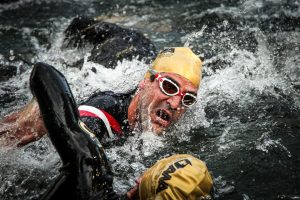
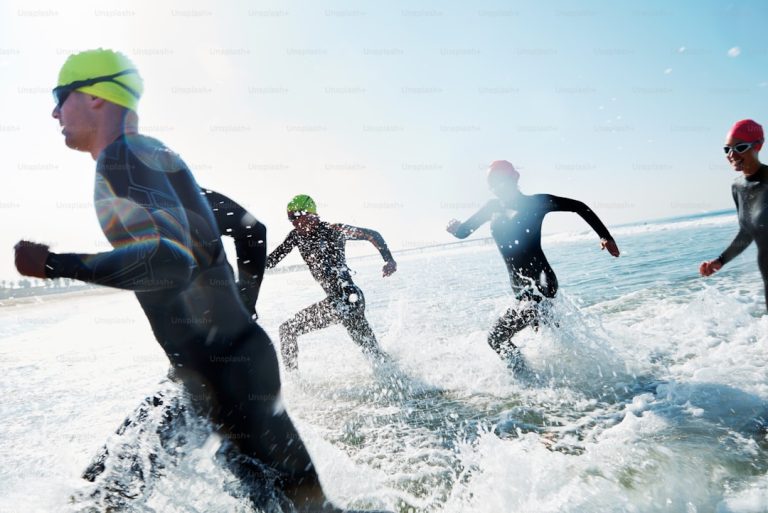
70.3 swims are typically wave or rolling starts. If you are given a choice, seed yourself honestly — being in a group moving at your pace is less stressful and safer than being swum over or kicking others. Wear your wetsuit if water temperature allows (under 24 degrees Celsius for most events). Sight every 6-8 strokes and trust your lines. Do not panic if contact happens — stay calm, keep your stroke long and controlled.
The Bike: Nutrition, Pacing and Gear
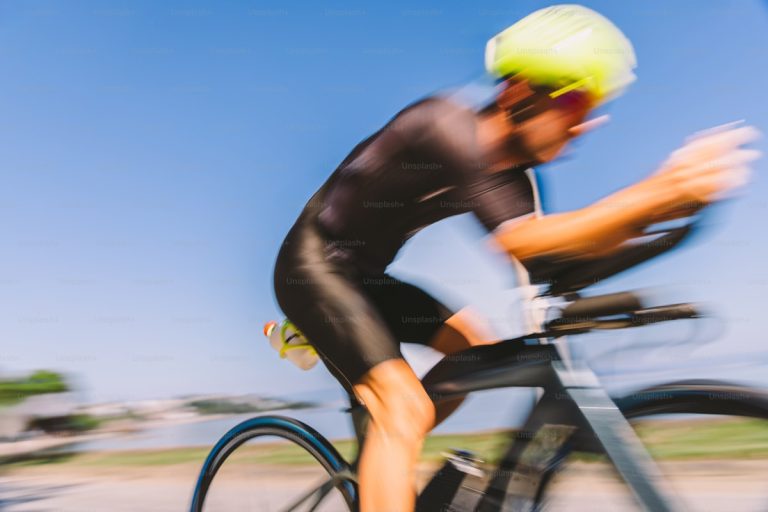
The 90km bike leg is where your race is won or lost. Target 65-75% of your FTP — it will feel almost too easy in the first 20km. Eat and drink on a schedule, not by feel: aim for 60-90g of carbohydrate per hour and 500-750ml of fluid per hour depending on conditions. Take your first nutrition in the first 20 minutes while you are still comfortable. Do not wait until you are hungry or thirsty — by then you are already behind.
- Bike pacing target: 65-75% FTP or RPE 6-7/10
- Carbohydrate target: 60-90g per hour (gels, bars, liquid carbs)
- Fluid target: 500-750ml per hour, adjusted for temperature
- First feed: within the first 20 minutes, regardless of hunger
- Save a small reserve of energy for the first 5km run pace adjustment
T2: The Mental Reset
T2 is deceptively fast to execute but mentally significant. You have just completed the longest part of the race. Rack your bike, swap shoes, grab your run nutrition and go. Do not sit down — it makes starting the run psychologically harder. If you need a few seconds to gather yourself, walk briskly out of transition while putting on your race belt. Once you are moving, your legs will come around within the first kilometre.
The Run: How to Hold Your Pace
The 70.3 run is 21.1km — half marathon distance on tired legs. Start at a pace 15-20% slower than your fresh half marathon pace. The first 5km is about damage limitation: keep it controlled, keep eating (a gel every 20-25 minutes), and let your body adjust to running off the bike. Once you reach the halfway mark feeling controlled, you have earned the right to build. The final 3-5km is where athletes who paced correctly get to push and overtake those who went out too fast.
The Finish Line
Cross the finish line and take it in — completing a 70.3 is a genuine athletic achievement. The finisher chute volunteers will guide you to water, food and your medal. Eat something within 30 minutes, even if you do not feel like it. Walk for at least 10-15 minutes before sitting down to prevent blood pooling. Your legs will thank you the next day.