What to Do If Your Triathlon Race Gets Cancelled or Postponed
You’ve tapered, packed your bag, driven to the venue — and then race organisers announce a cancellation or a shortened course because of extreme heat, a storm, or a safety issue on the swim course. It’s happened at multiple major races this season, and it will happen again. Here’s how to handle it without wasting months of training.
Why Races Get Cancelled or Changed Late
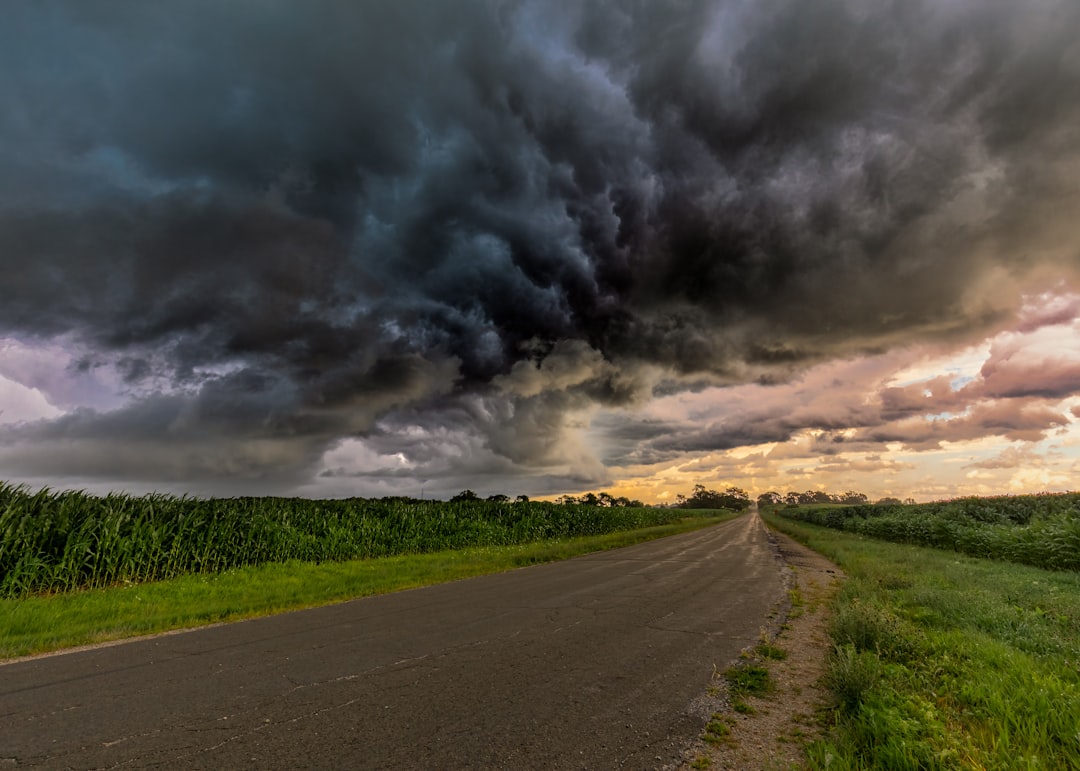
Most late cancellations come down to athlete safety: water quality failures after heavy rain, dangerous swell in open water, lightning risk on the bike course, or extreme heat that pushes wet-bulb readings past safe thresholds. Organisers increasingly favour cutting the swim or shortening the bike over cancelling outright, since it lets the event go ahead in some form — but full cancellations do still happen, especially for storms and flooding.
In the Moment: What to Actually Do
- Check official channels only. Race organisers post changes on their app, website and social media — don’t rely on rumours at the start line or in the athlete village.
- Follow the amended format if one’s offered. A duathlon conversion (run-bike-run replacing a cancelled swim) or a shortened bike leg still gives you a race and a finisher’s medal — mentally reset your pacing plan for the new distances rather than trying to force your original race plan onto a different event.
- Don’t skip the warm-up just because the format changed. If you’re racing in any capacity, your usual pre-race routine still applies.
If the Race Is Cancelled Outright
- Check the refund and deferral policy before you booked — most major series (IRONMAN, WTCS-affiliated events, T100) offer a partial credit or deferral to a future race rather than a cash refund; read the specific event’s terms, since they vary.
- Use race day as a training day. If conditions allow, do the session you’d have done anyway — many athletes run an informal, unofficial version of the course with training partners rather than wasting the fitness peak.
- Reassess your season plan. If this was your A-race, decide quickly whether to chase a late-season replacement or bank the fitness for next year — see our guide on choosing your next A-race for how to think through that decision.
Reducing the Risk Next Time
You can’t control the weather, but you can control how exposed you are to it. Where possible, choose event insurance that explicitly covers cancellation for weather or safety reasons, keep a rough B-race pencilled in as backup, and read an event’s cancellation history — some venues and months carry materially higher risk than others.