Triathlon Race Etiquette: 10 Rules Every Racer Should Know in 2026
Triathlon is a self-policed sport in many ways. Knowing the rules and unwritten codes of conduct makes races safer, fairer, and more enjoyable for everyone on the course. Whether you’re lining up for your first sprint or your tenth 70.3, here’s the essential race etiquette guide every triathlete should know heading into 2026.
Swim Etiquette
- Seed yourself honestly. If your estimated swim time is 22 minutes, don’t start in the 16-minute wave. Incorrect seeding leads to collisions and frustration for faster swimmers behind you.
- Sighting smoothly. When sighting the buoy, lift your head and roll into a breath without stopping dead in the water. A sudden stop in a mass start is a recipe for getting swum over.
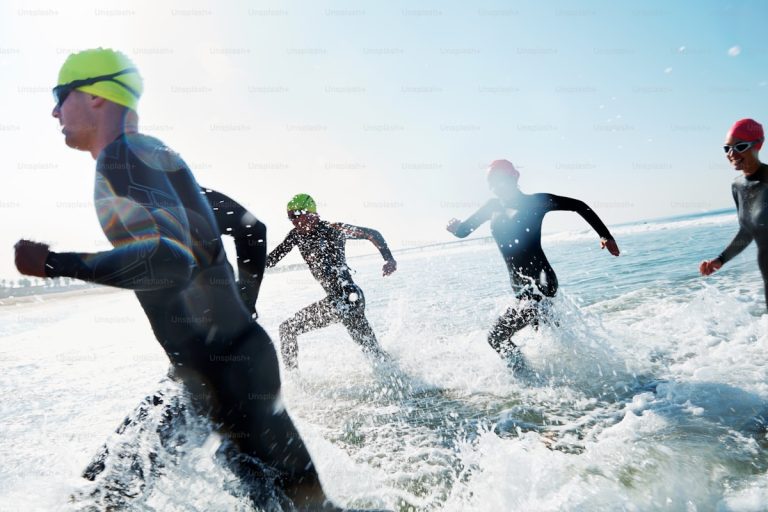
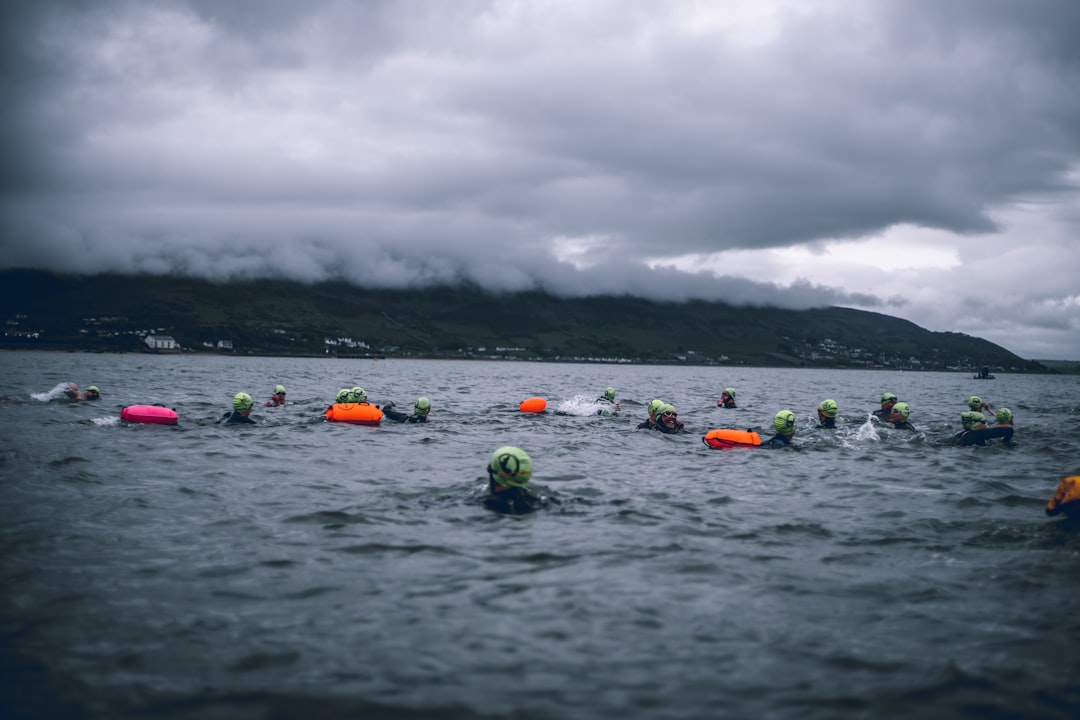
- Expect contact. Open water starts are physically aggressive. Don’t panic at contact — keep your stroke smooth and aim to move clear of congestion after 200m.
- Give way at buoy turns. The inside line at a turn buoy is contested territory. If you arrive at the same time as another swimmer, expect bumping — stay calm and keep swimming.
Transition Etiquette
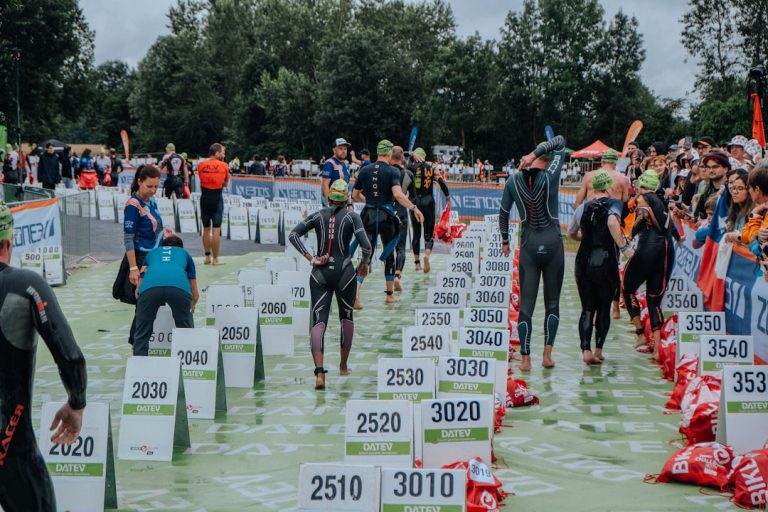
- Know your rack before race day. Walk transition during setup, memorise landmarks near your bike. Wandering around looking confused in T1 disrupts other athletes.
- Keep your area tidy. Your gear is confined to your rack space. Bags, shoes and kit that spill into the aisle are a trip hazard and a penalty risk.
- Rack your bike correctly after T2. Re-rack on the same side as you found it (saddle or nose as specified). Always — even when exhausted.
- Helmet on before you touch the bike. Clip your helmet before removing your bike from the rack in T1. Penalty if a marshal sees you handle the bike with helmet unclipped.
Bike Etiquette
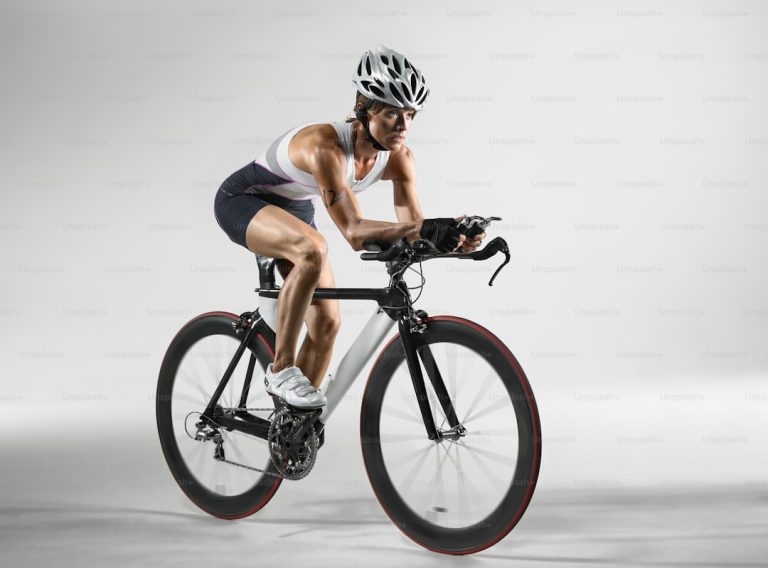
- No drafting. Age-group racing maintains a 12-metre draft zone (IRONMAN 2026 rules maintain 12m for AG; pro draft zones increased to 20m). If you enter another athlete’s zone you must overtake within 20 seconds or drop back. Penalty: 2–5 minutes in the sin bin.
- Call your pass. Shout “on your left” before overtaking. Move back to the right after clearing the other athlete’s draft zone.
- No blocking. Riding in the centre of the road or two abreast to prevent overtaking is an automatic penalty. Ride on the left unless actively overtaking.
- Aero bar rules (2025/2026 update): Aero bar extensions must not extend beyond the leading edge of the front wheel. Check your setup against the current World Triathlon and IRONMAN competition rules before race day.
- No headphones. Earbuds and headphones are banned in all World Triathlon and IRONMAN-sanctioned events. No exceptions.
- No cameras (IRONMAN 2026): GoPros, smart glasses, and mid-race filming are banned under 2026 IRONMAN competition rules.
Run Etiquette
- Call when overtaking. A brief “coming through” or “on your right” is courteous and prevents collision when overtaking a slower runner.
- Keep your line. Sudden direction changes on a crowded out-and-back run can cause collisions. Run predictably.
- Respect aid station volunteers. Thank them, dispose of cups in the designated area, and don’t stop blocking the path mid-station.
General Conduct
- Attend the race briefing. Most rule infractions and penalties come from athletes who skipped the briefing or didn’t read the athlete guide. Ten minutes of your time prevents a five-minute penalty.
- Respect race officials. Arguing with a marshal on course is a direct route to disqualification. Note the infraction and contest it post-race if you believe it was wrong.
- Thank the volunteers. Every race runs on volunteer labour. A genuine “thank you” at each marshal point costs nothing.
- Chip in place, always. Don’t remove your timing chip until you’ve crossed the official finish line. DNF without chip removal can cause race result errors for other athletes.