Riding in the Dark: A Winter Bike Light Guide for Triathletes
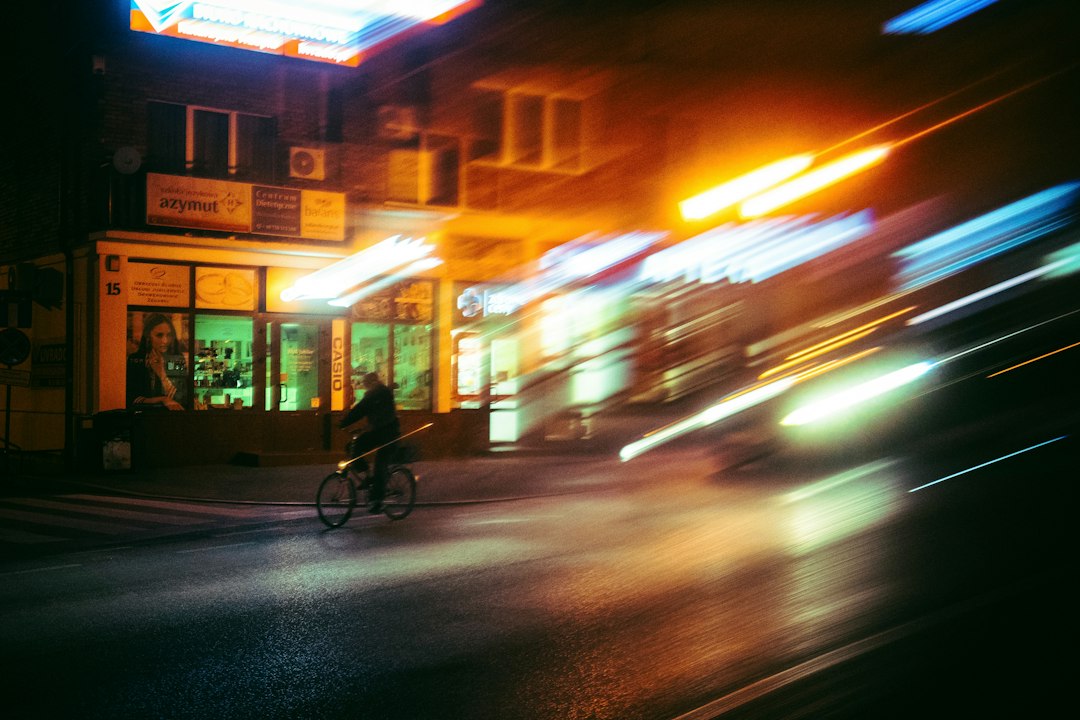
Clocks went back on 25 October, so many riders now start or finish in the dark. This guide covers the kit that matters and links to the lights we have listed. We have not tested the lights, so the points below are general advice and manufacturer specifications.
Front light: what the lumen figure tells you
A higher lumen figure means a brighter maximum output, but the figure is a ceiling, not a runtime. Check the runtime at the mode you will actually use, and whether the figure is FL-1 tested, as Moon states for the lights below.
- Unlit lanes call for the brighter, longer-throw modes; lit streets mostly need to be seen, not to see.
- A flash or day-flash mode makes you more visible to drivers, and uses less battery than a steady beam at full output.
- Check the mount fits your bars and your bike computer, since an out-front or Garmin-style mount keeps both in view.
Lights we have listed
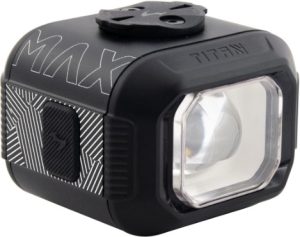
- Moon Titan Max, 1700 lumens: city and highway beams with a wireless remote, £62.99 at Tredz.
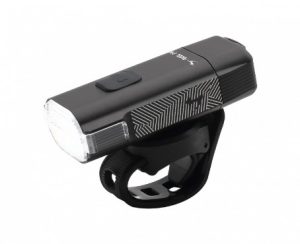
- Moon Rigel Pro, 1000 lumens: six modes and a Garmin-style bracket, £45.99 at Tredz.
- Moon Helix Sense 300 rear light.
- Lezyne Macro Drive 1400 front light.
Beyond the light
- Run a rear light in every mode that suits the conditions, including daytime on grey winter days.
- Wear reflective or high-visibility clothing; our reflective vests guide covers options for runners.
- Charge lights after every ride so a flat battery never decides your route home.
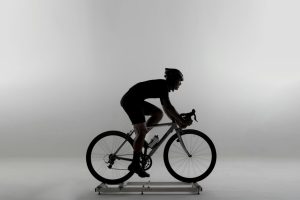
- If the roads are icy or the light is poor, swap the ride for a turbo session. See how to set up a home turbo trainer.
For the full comparison of options see the best triathlon bike lights for early-morning training.
This article contains affiliate links. If you purchase through these links, we may earn a small commission at no extra cost to you. This helps support The Triathlete.