Gwen Jorgensen’s 2026 WTCS Comeback: Can the Olympic Champion Return to the Top?
A Champion Returns
Gwen Jorgensen, the American who dominated women’s triathlon in the mid-2010s and claimed Olympic gold at Rio 2016, is back racing at the front of the World Triathlon Championship Series in 2026. After stepping away from triathlon to pursue an Olympic marathon ambition, she returned to the sport that made her name and is steadily re-establishing herself as a competitive force heading into the busiest part of the season.
The Jorgensen Story So Far
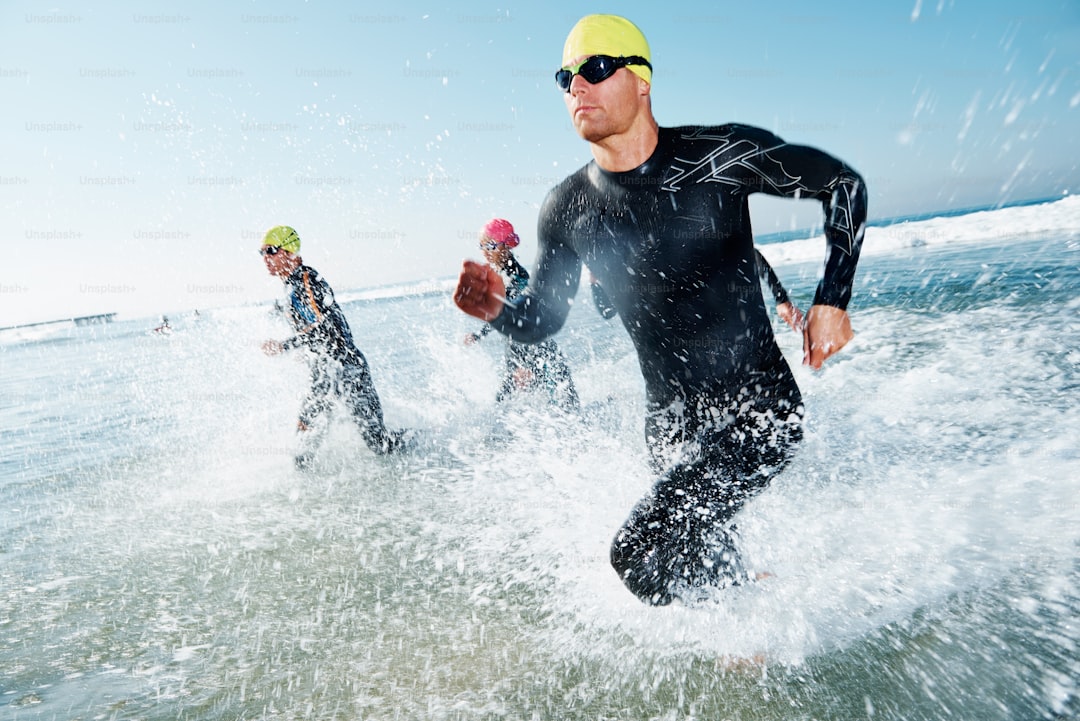
Jorgensen was a collegiate swimmer and runner before discovering triathlon as a young professional. She became one of the most dominant triathletes in history — winning 12 WTCS events and the 2014 and 2015 ITU World Championship titles. Her Rio 2016 Olympic gold remains one of the sport’s defining moments: she led from the front and ran away from the field to win by a commanding margin.
After Rio, she pivoted to pure marathon running, motivated by a belief she could become the first American woman to win Olympic marathon gold since 1984. The Tokyo 2020 Games ended with a DNF due to injury, but her years of high-volume aerobic training gave her a fitness base she is now channelling back into triathlon competition.
2026 Season: Building Momentum
Jorgensen’s 2026 comeback has built steadily through the early season. A runner-up finish at the Americas Cup in Gulfport — a strong signal that her swim and bike legs have returned to competitive level, and that her run, always her greatest weapon, remains elite. At 39, she is proving that elite triathlon careers can extend well into the fourth decade.
Her entry for WTCS Samarkand on 25–26 April marks her first WTCS start of the 2026 season. The question on everyone’s lips: can she challenge the current generation of champions led by Cassandre Beaugrand, Taylor Knibb, and Kate Waugh?
Can She Compete at the Very Top Again?
Jorgensen’s profile suggests she can absolutely contend for podiums. Her running remains extraordinary — she has run 10km off the bike at a pace that would have won most standalone road 10km races at her peak. The key question is whether her cycling power and swim speed can match the current WTCS elite after years away from the circuit.
The current generation is formidable. Beaugrand has raised the bar in every discipline; Knibb brings incredible cycling punch; Waugh has been the breakout performer of the past two seasons. But Jorgensen has always thrived under pressure, and WTCS Samarkand on 25 April will give us the first real read on where she stands in 2026.
Why This Comeback Matters for the Sport
Beyond the sporting narrative, Jorgensen’s return matters for triathlon’s visibility. She remains one of the sport’s most recognisable athletes, with a story that resonates beyond the core audience — from running fans who followed her marathon journey to casual viewers who remember that dominant Rio performance. With the LA28 Olympic cycle approaching, having Jorgensen back at the front gives the sport a compelling storyline for the next two years.