How to Train for Triathlon Through Perimenopause and Menopause
Perimenopause typically starts in a woman’s 40s and can last several years before menopause itself, and it changes how your body responds to training in ways a generic plan won’t account for. None of this means slowing down or stepping back from triathlon — it means adjusting how you train, not whether you train.
What’s Actually Changing
During perimenopause, ovulation becomes irregular and oestrogen levels fluctuate rather than declining smoothly — this on-and-off pattern can continue for several years before settling into menopause proper. Oestrogen does more than regulate the reproductive cycle: it plays a role in metabolism, bone density, thermoregulation, muscle and connective tissue maintenance, and inflammation control. When it fluctuates, so can your recovery time, heat tolerance, sleep quality and motivation — often unpredictably, week to week.
Training Adjustments Worth Making
- Prioritise recovery days: where you might have got away with back-to-back hard sessions before, two or three genuine rest or easy days a week becomes more important as recovery capacity becomes less predictable.
- Add dedicated strength training: resistance training is one of the most effective tools for maintaining lean muscle mass and bone density through this transition — two sessions a week focused on compound lifts is a reasonable starting point alongside swim/bike/run.
- Keep some genuine high intensity: short, sharp HIIT or sprint-interval sessions are consistently shown to help manage body composition changes during this period — don’t drop all intensity in favour of purely easy volume.
- Treat sleep as part of the training plan: tissue repair and adaptation happen primarily during sleep, and poor sleep keeps cortisol elevated, compounding fatigue and mood effects. If perimenopause is disrupting your sleep, that’s a training variable, not a separate issue.
Managing Heat and Hydration
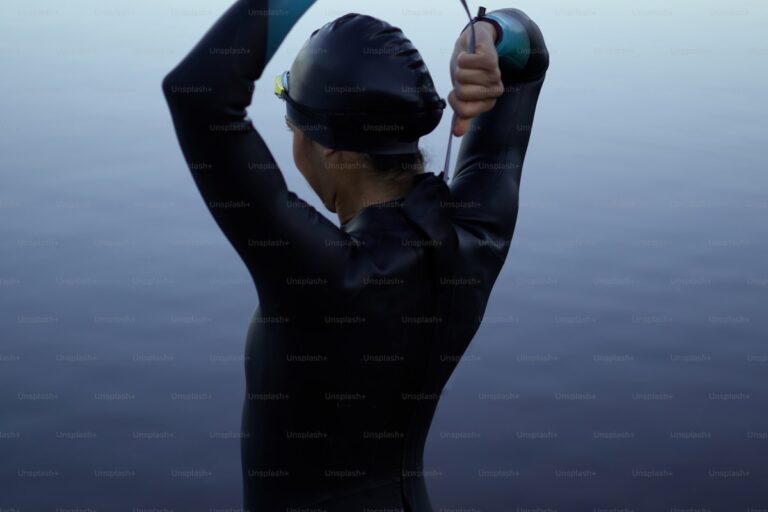
Because oestrogen is involved in thermoregulation, hot flushes and altered heat tolerance are common during this transition — which matters directly for open water swims in a wetsuit, hot turbo sessions, or racing in summer heat. Build in extra cooling strategies (see our guide to racing in the heat) and don’t assume a session that used to feel manageable at a given temperature still will.
When to Get Medical Support
This guide covers general training adjustments, not medical advice — if symptoms are significantly affecting your training, sleep or quality of life, a GP or gynaecologist can discuss options including HRT, which many athletes find meaningfully improves both symptoms and training consistency. Some sports physiotherapists and coaches now specialise specifically in training through perimenopause and menopause, and can be worth seeking out if generic training plans stop working the way they used to.
The Bottom Line
Perimenopause and menopause change the inputs, not the outcome — plenty of women race some of their strongest triathlon seasons during and after this transition. The athletes who navigate it best tend to be the ones who adjust recovery and strength work early rather than waiting for a bad training block to force the issue.
See also: Women’s Triathlon Training Guide 2026 · Masters Triathlon Training Tips: Over 40 · Strength Training for Triathletes.