How to Maintain Triathlon Fitness in the Off-Season
The off-season is a vital part of your annual training cycle — but doing nothing for three months will set your fitness back further than most athletes realise. The goal is not to maintain peak fitness (that’s counterproductive long-term), but to preserve your aerobic base, keep your body moving, and arrive at January genuinely ready to build.
1. Reduce Volume, Preserve Frequency
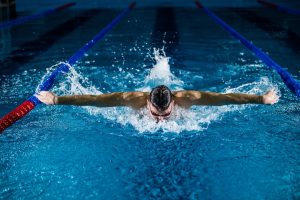
Drop your weekly training hours by 40–50%, but don’t eliminate any discipline entirely. Swimming especially requires consistent practice to maintain technique — even two 30-minute pool sessions per week will keep your stroke functional through winter. For cycling, one turbo session per week maintains aerobic base. For running, 2–3 easy runs per week (30–45 minutes each) preserves leg conditioning without accumulating fatigue.
2. Cut Intensity — Almost Entirely
The off-season is not the time for intervals, threshold work, or race-pace efforts. Zone 2 is your friend: run at a pace where you can hold a conversation, ride easy, swim at cruise pace. This deliberate reduction in intensity allows physiological adaptations from the race season to consolidate and prevents the burnout that derails so many athletes in March.
3. Prioritise Strength Training
Most triathletes neglect strength training during the race season because it competes with swim/bike/run volume. The off-season removes this conflict. Aim for 2–3 strength sessions per week focusing on compound movements: squats, deadlifts, single-leg exercises, pull-ups, and core work. Strong glutes, hamstrings, and core directly translate to better run economy and cycling power output the following season.
4. Fix What Broke During the Season
If you had a recurring injury — a tight IT band, persistent plantar fasciitis, shoulder impingement — the off-season is your window to address it properly. Book a physiotherapy assessment, commit to the rehab exercises, and rehabilitate fully rather than simply waiting for it to “go away” before next March.
5. Mental Recovery Matters
Triathlon training is mentally demanding. The off-season should include weeks where you don’t think about splits, watts, or pace at all. Take a holiday. Do other sports for fun. Return to December with genuine enthusiasm rather than obligation — that enthusiasm is a genuine performance asset.
A Simple Off-Season Training Week
- Monday: Rest or yoga (30 minutes)
- Tuesday: 45-minute easy run
- Wednesday: Strength session (45 minutes) + 30-minute pool swim
- Thursday: Rest or light walk
- Friday: 60-minute easy turbo ride
- Saturday: 30-minute easy pool swim
- Sunday: 60-minute hike or social activity
Total: approximately 5–6 hours per week — roughly half a typical race-season load. This is not laziness; it’s structured recovery that sets you up for a stronger build phase when January arrives.