How to Become a Triathlon Coach: Qualifications and Pathways
If you’ve ever finished a season thinking you’d rather be the one writing the sessions than following them, triathlon coaching is a more accessible path than it might seem. In the UK, coaching qualifications sit under British Triathlon and are delivered through the home nation federations — Triathlon England, Welsh Triathlon and Triathlon Scotland — all aligned to the UK Coaching Certificate (UKCC) framework.
Foundation Coach: The Entry Point
The Foundation Coach Award is where almost everyone starts. It’s endorsed by CIMSPA (the Chartered Institute for the Management of Sport and Physical Activity) against its Coaching Assistant standard, and completing it requires you to actually deliver practical triathlon sessions in your own coaching environment — a club session, for instance — under the supervision of a more qualified coach (Level 2 or above), who provides witness testimony confirming your practical delivery. If you’re 18 or over, you’ll also need a valid safeguarding certificate before you can complete the award. This makes Foundation Coach genuinely hands-on rather than a purely theoretical course — you can’t complete it without a club or training group willing to have you coach under supervision.
Level 2: Building Independent Coaching Experience
Level 2 is aimed at coaches with some genuine experience already — candidates are required to spend two full calendar years actively coaching at the entry level, completing annual revalidation requirements, before progressing. This is the level most club coaches who run sessions independently, rather than under supervision, will be working towards or holding.
Level 3: The Advanced Pathway
Level 3 requires you to already hold Level 2, with a further two years of coaching experience and a minimum of 60 logged coaching hours split evenly across swim, bike and run (20 hours each), plus a reference from a senior coach or club chair. This is the level associated with coaching more advanced or competitive athletes, and it’s a meaningfully bigger commitment than the entry stages — realistically several years of active coaching before you’re eligible to start.
Do You Need a Qualification to Coach at All?
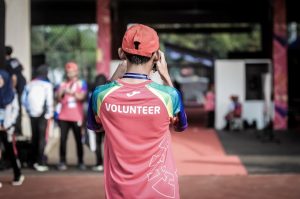
Informally guiding training partners or club members doesn’t legally require a qualification, but coaching anyone in an official club capacity, taking payment, or working with under-18s does require the relevant British Triathlon award plus safeguarding and DBS checks. If you’re weighing up whether coaching is for you, volunteering to assist at existing club sessions before committing to the Foundation course is a low-cost way to find out — and it’s also a logged step toward the supervised practical hours the award requires.
Already coaching informally and wondering whether to hire outside help instead? Our guide to choosing a triathlon coach covers it from the athlete’s side.