Mental Strategies for Race Day: Staying Focused in Triathlon
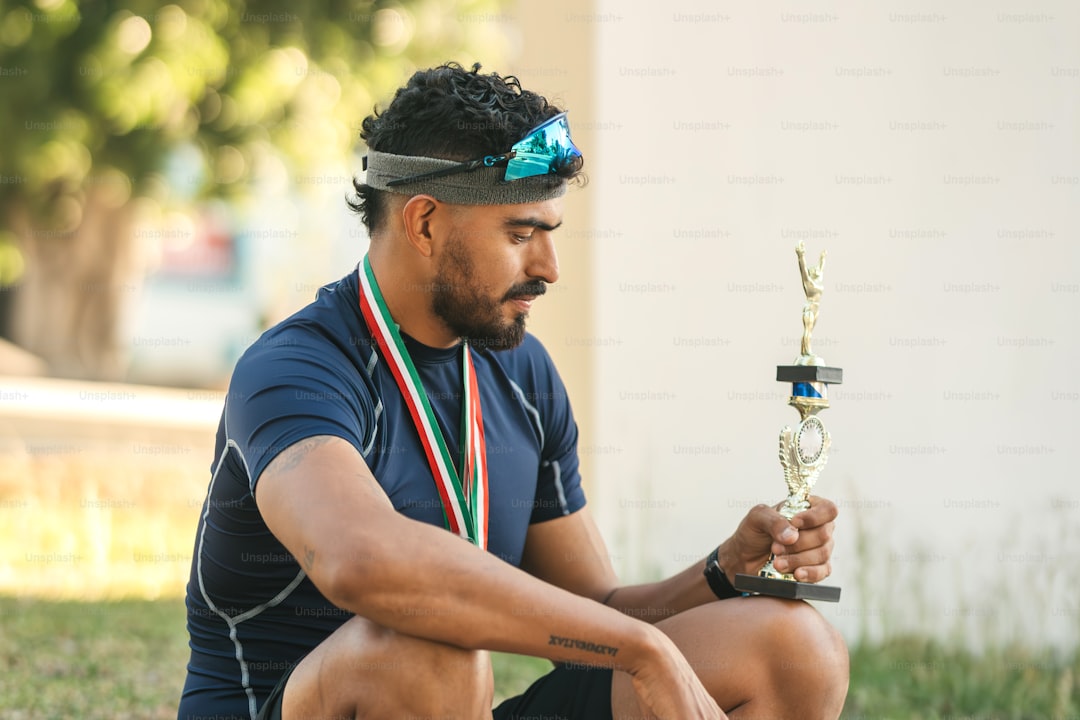
Race day nerves are universal in triathlon. Whether it is your first sprint or your tenth Ironman, the combination of crowded water starts, variable weather, and sustained physical demand creates a mental challenge as real as the physical one. The athletes who perform consistently at their best are not necessarily the fittest — they are the most mentally prepared.
Establish a Race-Day Routine
Consistency reduces anxiety. Arrive at transition at the same time relative to your race start. Pack your kit the night before in the same order every time. Eat your pre-race meal at the same time you always do. These rituals signal to your nervous system that everything is under control. Experienced triathletes often describe their race morning as autopilot — that is exactly the goal.
Break the Race into Segments
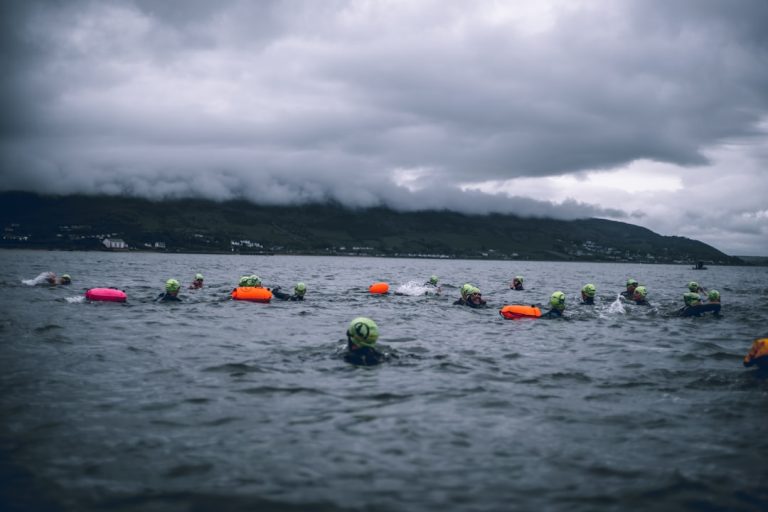
Thinking about completing an Olympic-distance triathlon in one go can feel overwhelming. Instead, divide the race into manageable chunks: just get through the swim start, just make it to the first buoy, just ride the first 10km at target power. Athletes who race segment by segment report significantly lower perceived effort and better pacing than those who fixate on the finish line from the moment the gun fires.
Use Cue Words
A cue word is a short, powerful phrase that snaps you back into focus when your mind drifts to negative territory. Popular choices among triathletes include “relax,” “smooth,” “strong,” and “process.” Choose your word in training — the moment your form starts to deteriorate on a hard run interval, say your cue word aloud. By race day, it will fire automatically.
Reframe Discomfort
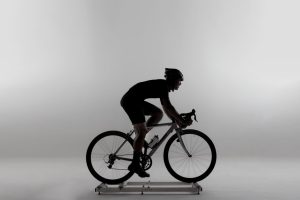
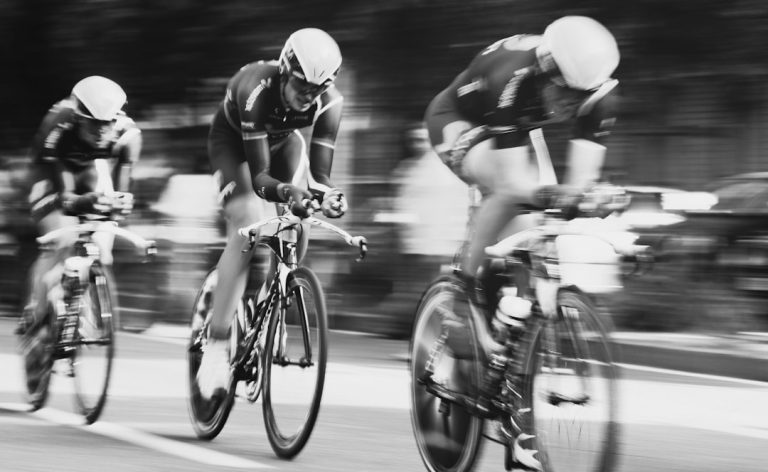
Pain in a race is a signal, not a stop sign. Experienced athletes learn to interpret the burning sensation in their legs during a hard bike effort as evidence they are working at the right intensity — not evidence that something is wrong. When discomfort hits, try this internal script: “This feeling means I am racing well. It is temporary. I can hold this.”
Practise Visualisation
In the week before your race, spend 10 minutes each evening visualising a successful performance. See yourself swimming confidently through the open water, transitioning smoothly, cycling at pace, and running strong off the bike. Visualisation does not replace physical training, but it builds familiarity with race scenarios so that nothing surprises you on the day.
Control What You Can
Weather, course conditions, and competitor behaviour are outside your control. Fixating on them drains mental energy. Your pre-race checklist, warm-up routine, pacing strategy, and nutrition plan are all within your control. Focus your mental bandwidth on these factors before the race, and you will arrive at the start line calmer, sharper, and more focused.
Mental preparation is a skill, and like every skill in triathlon, it improves with deliberate practice. Start applying these strategies during your hardest training sessions — the pool intervals where you want to stop, the long run where the legs feel heavy — and they will be second nature when it counts most.