Drafting in Triathlon: Rules, Penalties and Legal Tactics
Drafting is one of the most misunderstood rules in triathlon. Get it wrong and you face a time penalty — sometimes 2-5 minutes — that can cost you your race. Get it right and you can use legal drafting tactics in the swim and run to save significant energy. Here is everything you need to know about drafting rules, penalties, and how to use the rules to your advantage.
What Is Drafting?
Drafting refers to following closely behind another competitor to benefit from the slipstream they create. In cycling, drafting can reduce energy expenditure by 20-30%, which is why it is banned in most age-group triathlon events on the bike leg. In the swim and run, however, drafting is completely legal and a smart tactical choice.
Bike Drafting Rules (Age-Group and IRONMAN)
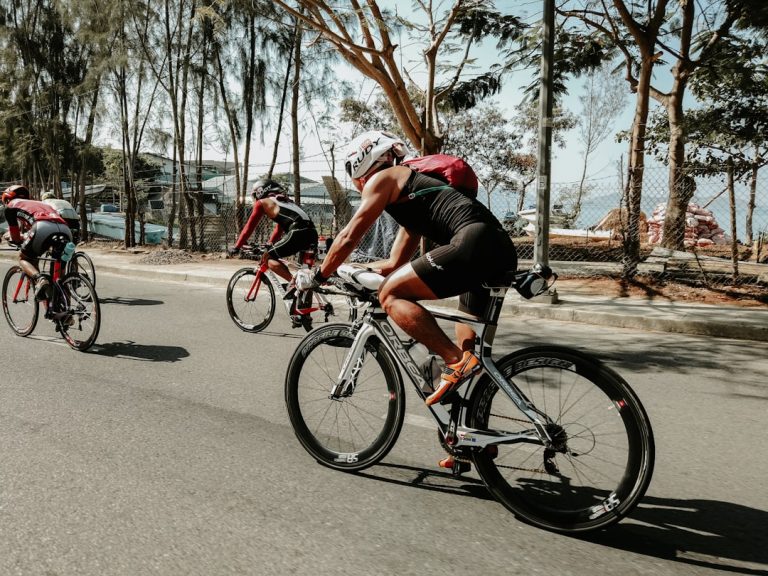
In non-drafting (standard) triathlon — which covers most age-group races including IRONMAN, 70.3, and British Triathlon events — you must maintain a minimum distance from the cyclist in front of you at all times. The key rules are:
- Draft zone: You must stay at least 12 metres behind the rear wheel of the cyclist ahead (some events use 10m — always check your race briefing)
- Overtaking window: You have 20 seconds to pass once you enter the draft zone. If you cannot complete the pass in 20 seconds, you must fall back outside 12m
- Blocking: You must not deliberately impede other competitors. Stay to the left of the road except when overtaking
- Penalty: A drafting violation typically results in a stop-and-go penalty or a time penalty of 2-5 minutes served in the penalty tent
Draft-Legal Racing (T100, WTCS, Elite)
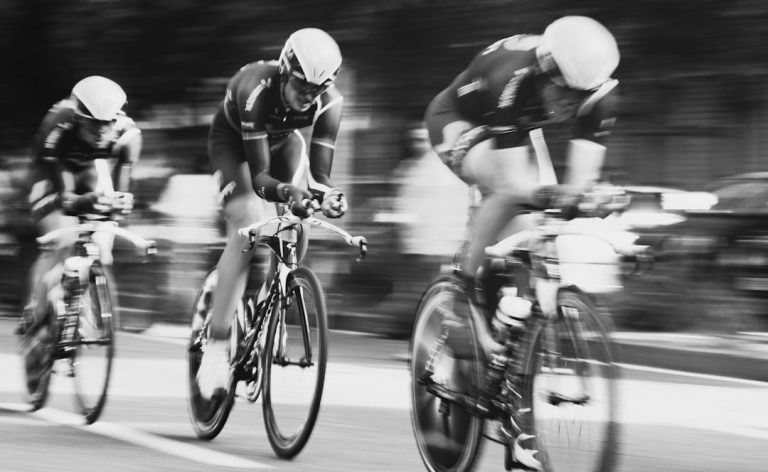
Elite races — including all WTCS events and the T100 series — are draft-legal, meaning all competitors can legally ride in packs. This completely changes the tactical nature of the bike leg, which becomes a pack ride with attacks and surges rather than an individual time trial. If you are watching elite racing in 2026, expect to see large bike packs and the decisive battles happening on the run.
Legal Swim Drafting
Open water swim drafting is legal and highly advantageous in all triathlon formats. Swimming directly behind another athlete can reduce your energy cost by up to 26%, according to research. The ideal position is directly behind the lead swimmer’s feet, close enough to benefit from the turbulence they create. Practising this skill in training — particularly in open water drafting sessions — will make a significant difference to your swim split on race day without any extra fitness required.
Legal Run Drafting
Running drafting is also legal in all triathlon formats. Running behind another competitor can reduce wind resistance by around 6-8%, which is most beneficial on exposed courses or windy days. Use your faster competitors as pacers — pick someone running at your target pace and sit on their shoulder. This also provides a psychological boost, as following another runner feels easier than running alone.
How to Avoid a Drafting Penalty
- Know the draft zone distance for your specific race — confirm at the race briefing, not just online
- When overtaking, commit and complete the pass — do not hover in the draft zone undecided
- Be aware of your position when cyclists catch you from behind — you may drift into their zone without realising
- In busy race fields, give extra space at the start of the bike before the field strings out