
60-Minute Open Water Solo Swim: Build Your Endurance for Race Day
Session Overview
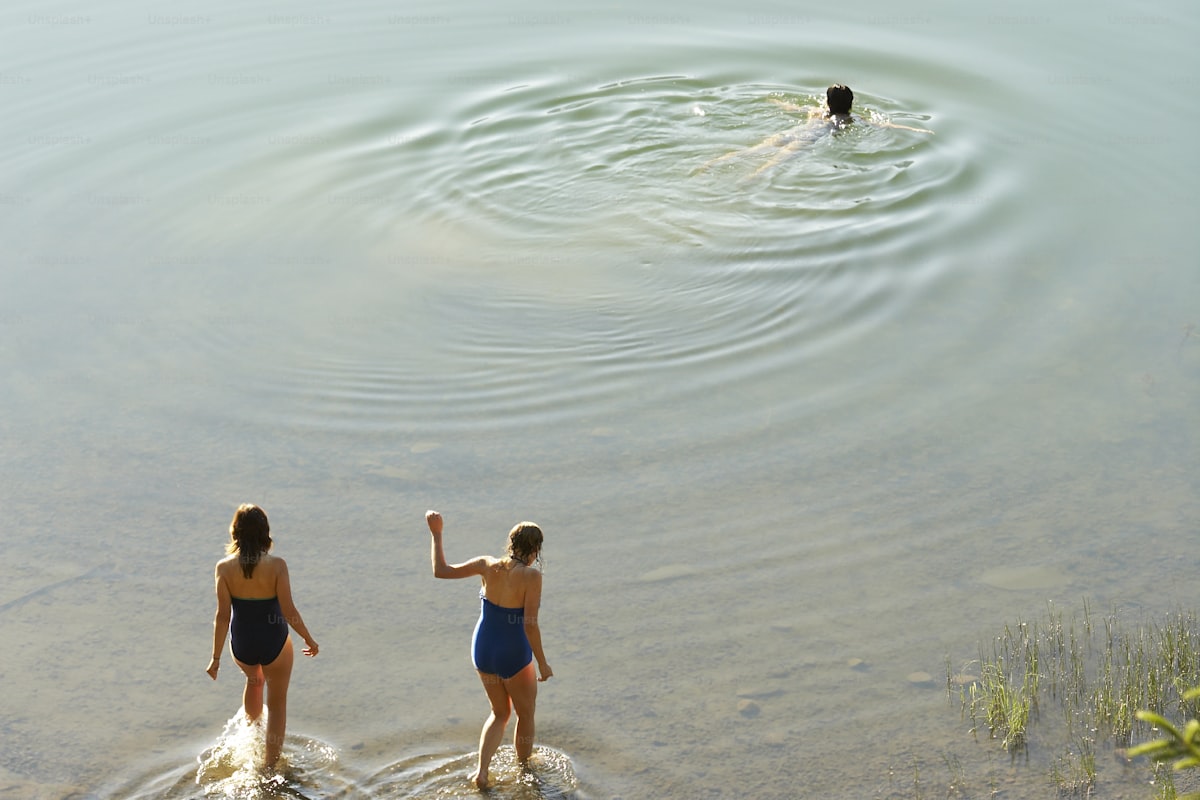
A 60-minute solo open water swim builds the endurance, mental toughness, and sighting skills you need for longer triathlon distances. Without pool walls to rest on, you are committed to continuous forward movement for the full hour. This session is perfect for intermediate swimmers preparing for a 70.3 swim leg or those wanting to extend their open water confidence beyond short lake swims.
What You’ll Need
- Wetsuit (if water temperature is below 20°C — which it will be in UK waters until late summer)
- Swim buoy / tow float — non-negotiable for solo open water swimming
- Brightly coloured swim cap for visibility
- Waterproof GPS watch to track time and distance
- Swim buddy, kayaker, or supervised venue — NEVER swim alone in open water without support
Warm-Up (10 minutes)
Enter the water gradually and spend 10 minutes swimming slowly at the edge of the venue. Focus on acclimatising to the temperature, getting comfortable in the wetsuit, and practising your sighting by picking landmarks on the far bank or shoreline. Do not start the main set until your heart rate has settled and your breathing is controlled.
Main Set (45 minutes)
Swim a planned course at a steady, sustainable aerobic pace for 45 minutes. Aim for an RPE of 5–6 out of 10 — you should be able to maintain the pace for the full duration without stopping. Structure the effort as follows:
- First 15 minutes: steady aerobic effort. Sight every 6–8 strokes and settle into a rhythm.
- Middle 20 minutes: optional pick-ups — every 5 minutes, swim 1 minute at slightly elevated pace (RPE 7), then return to easy effort.
- Final 10 minutes: swim easy, focusing on relaxed technique and controlled breathing to the finish.
Cool-Down (5 minutes)
Exit the water and warm up immediately — cold water swimming causes rapid heat loss after you stop moving. Spend 5 minutes stretching your shoulders, chest, and hip flexors. If you have a warm drink available, this is the time to use it.
Coaching Notes
- In UK open water, water temperatures in March–April are typically 6–10°C — cold, but manageable in a wetsuit with proper acclimatisation
- Sight more frequently (every 4–5 strokes) when swimming in crosswinds or currents that push you off course
- If you feel your breathing becoming panicked, roll onto your back, float, and breathe slowly before resuming
- To progress: add 10 minutes to the session each week until you can swim 90 minutes continuously — full 70.3 swim preparation
You Might Also Like


Training at your own risk. The information provided is for general guidance only and is not a substitute for professional medical advice. Please consult a doctor before starting any new exercise programme, especially if you have any pre-existing health conditions.