Transitioning Your Triathlon Training Into Autumn
The shift from summer racing into autumn training sneaks up on most triathletes — one week you’re doing an evening open water swim in daylight, the next you’re back on the turbo by 6pm. A few deliberate changes now make that transition smoother than reacting to the first cold, wet week in a panic.
Sort Your Kit Before You Need It
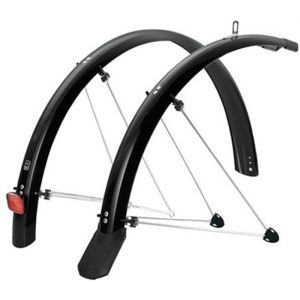
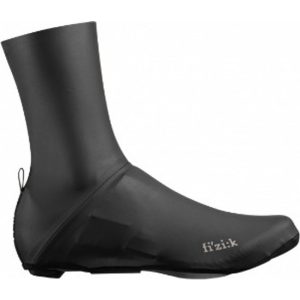
The single biggest reason autumn training sessions get skipped isn’t motivation — it’s not having the right kit ready when the weather turns. Overshoes, a packable gilet, and mudguards if you’re riding in a group all earn their keep from October onwards, and they’re far easier to sort now than on the first properly wet ride of the season. A head torch matters too if your outdoor runs are shifting into darker evenings.
Shift Session Structure Gradually
- Move your hardest outdoor sessions earlier in the day — while there’s still useful daylight and before roads get greasy with the first proper autumn rain
- Start reintroducing turbo and treadmill sessions gradually — rather than switching over entirely in one week, which makes both the fitness and the mental adjustment harder than it needs to be
- Keep at least one outdoor session per discipline where conditions allow — pure indoor training through autumn and winter is fine, but losing all outdoor bike handling and open-air running fitness makes spring feel like starting over
Use This Window to Address Weaknesses
With no imminent A-race, autumn is the natural window to work on whatever your race season exposed — a weak swim catch, low FTP, or a run that falls apart late in a brick. This is also a sensible time to build in dedicated strength work, since there’s more flexibility in the week without race-specific taper and peak weeks to protect.
Protect Your Motivation, Not Just Your Fitness
Training through darker, colder months without a race on the calendar is where a lot of triathletes lose consistency. Set a specific short-term goal — a local time trial, a parkrun PB attempt, or simply a fitness test date — to give autumn training a purpose beyond “maintaining base,” even if the real target race is still months away.
The Bottom Line
Sort your wet-weather kit before you need it, shift session timing and location gradually rather than all at once, and use the lower-pressure autumn window to fix what your race season revealed. Small deliberate adjustments now keep training consistent right through into winter base building.
For more on this transition, see our guides on maintaining fitness during the off-season, avoiding burnout in a long race season, and best running head torches for winter training.