Post-Race Blues: How to Handle the Comedown After a Big Triathlon
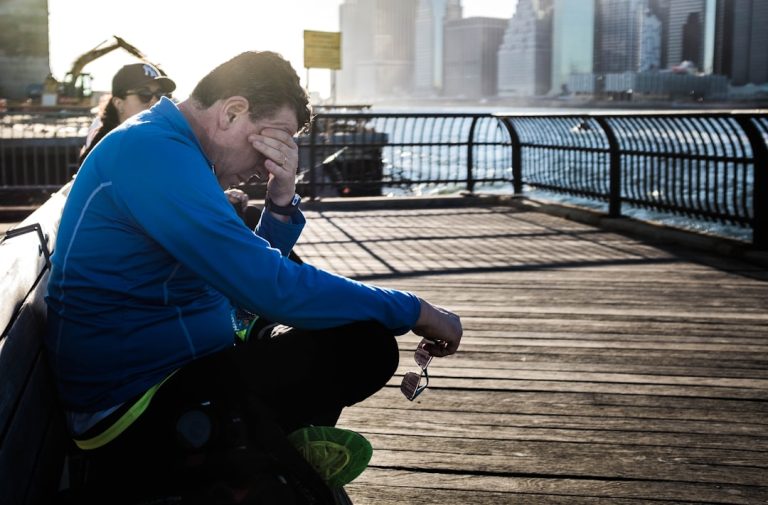
You spend months building toward a single day — early alarms, structured sessions, a taper you obsess over, a race morning you’ve rehearsed in your head a dozen times. Then it’s over. For a lot of triathletes, the days and weeks after a big race bring a low that catches them off guard, even after a race that went well. It has a name — post-race blues — and it’s worth understanding before it hits you unprepared.
Why It Happens
A long training block gives you structure, purpose and a constant stream of small wins — a good session, a PB in training, ticking off a long ride. Race day is the payoff for all of it, and then, abruptly, the structure disappears. There’s no next session to plan for, no taper to manage, no goal pulling you out of bed. The physiological side compounds it: race day itself is a genuine hormonal and adrenaline spike, and the crash afterward — combined with the accumulated fatigue you’ve been masking with taper freshness and race-day adrenaline — can feel a lot like a real low, not just tiredness.
It Happens Whether the Race Went Well or Badly
It’s tempting to assume the comedown only follows a disappointing result, but plenty of athletes report the same flat feeling after a PB or a dream race. The common thread isn’t the result — it’s the sudden absence of the goal that organised your life for months. If anything, an A-race that goes brilliantly can hit harder, because there’s nowhere obvious to point the motivation next.
What Actually Helps
- Plan the comedown before race day, not after. Book something small and unrelated to training for the week after — a trip, a social event, anything that gives you something to look forward to that isn’t a workout.
- Take the recovery break seriously rather than guiltily. A proper down period — genuinely easy or no training for one to two weeks depending on race distance — isn’t wasted time; it’s what lets you come back wanting to train rather than dreading it.
- Don’t rush into signing up for the next race just to fill the gap. A goal chosen in the emotional low a week after a big race is often not the goal you’d choose with a clear head a month later.
- Talk about it. Training partners and clubmates who’ve raced the same event are usually feeling some version of the same thing — you’re rarely as alone in it as it feels.
- Watch for it becoming more than a comedown. A few flat, low-motivation weeks after a big race is normal. If low mood persists for a month or more, or comes with symptoms beyond just missing structure, that’s worth treating as more than post-race blues and talking to a GP.
Use the Gap Well
The weeks after a big race are also a genuinely useful window for honest reflection — what went well, what you’d change, what you actually enjoyed versus tolerated during the build. That’s a much clearer exercise once the emotional spike has settled than it is in the days immediately after crossing the line. For a structured way to do that, see our guide on analysing your race performance, and when you’re ready to look ahead rather than just recover, our guide on planning your next race season is a better starting point than an impulse sign-up.
See also: How to Avoid Burnout in a Long Race Season · Mental Toughness in Triathlon Racing.