Getting Kids Started in Triathlon: A Parent’s Guide
Triathlon is one of the best sports you can hand your kids: it teaches three skills instead of one, it’s genuinely hard to get bored of, and — because British Triathlon builds its junior races around short, traffic-free, age-appropriate distances — it’s far more accessible than most parents assume. You don’t need a family of Ironman finishers or a garage full of carbon bikes. You need a pool, a bike, a pair of trainers, and a Saturday morning. Here’s how UK families actually get started.
Understanding UK Junior Race Categories
British Triathlon organises junior racing under the “TriStar” banner for children aged 8 to 14, with age calculated as your child’s age on 31 December of the racing year — so a child who turns 9 in November still races in the 8-year-old category that season. Distances step up gradually as kids move through the age groups:
- TriStar Start (age 8) – around 50m swim, 1.5km bike, 650m run
- TriStar 1 (ages 9–10) – around 150m swim, 3km bike, 1.3km run
- TriStar 2 (ages 11–12) – around 200m swim, 6km bike, 2km run
- TriStar 3 (ages 13–14) – around 300m swim, 7.5km bike, 2.5km run
After 14, Youth & Junior categories (ages 15–19) take over with longer distances that start closing in on adult sprint-triathlon territory. Exact distances can vary slightly event to event, so always check the specific race’s information sheet rather than assuming. If straight swim-bike-run doesn’t grab your child, the same age bands are usually offered as an aquathlon (swim-run) or duathlon (run-bike-run) too — both are a good, lower-pressure way in if open water or cycling in a group feels like a step too far to start with.
What Gear Do They Actually Need
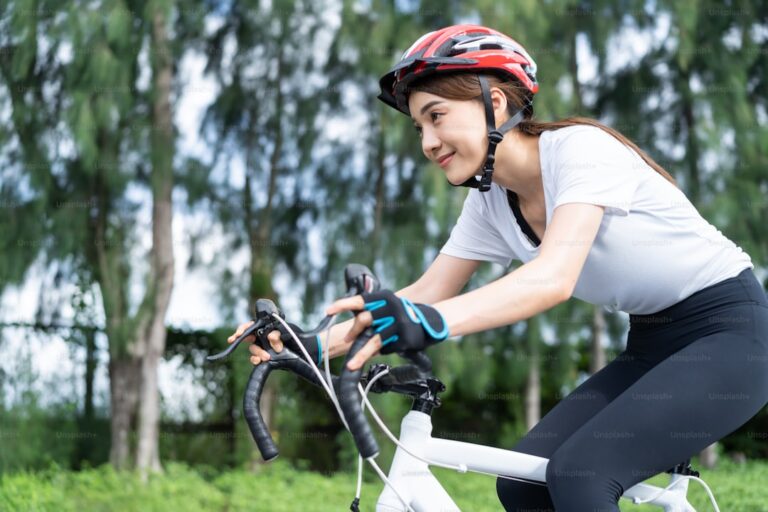
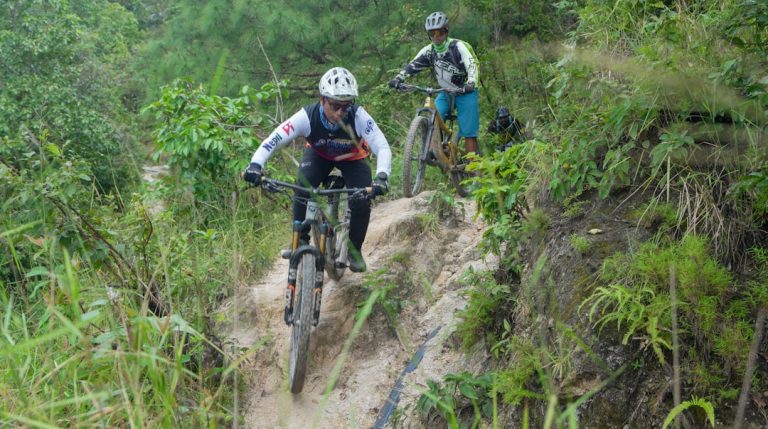
Ignore anything that looks like it belongs on an adult start line. Kids’ triathlon kit should be simple, comfortable, and mostly stuff you probably already own: a swimming costume or trunks, goggles that actually fit (a leaking pair will put a child off swimming faster than anything else — see our best triathlon goggles roundup for fit tips that apply just as much to kids), trainers they already run in, and any bike they can control confidently. It doesn’t need to be a “tri bike” — a normal hybrid or mountain bike is completely standard on a junior course. A correctly fitted helmet is non-negotiable, and most events check this at bike racking before kids are allowed to start. If they want to try open water later on, a well-fitted kids’ wetsuit helps with buoyancy and confidence, but treat it as a nice-to-have rather than a starting requirement. Save the tri suit, race wheels and GPS watch for if — and only if — they ask for them themselves.
Building Confidence in the Water
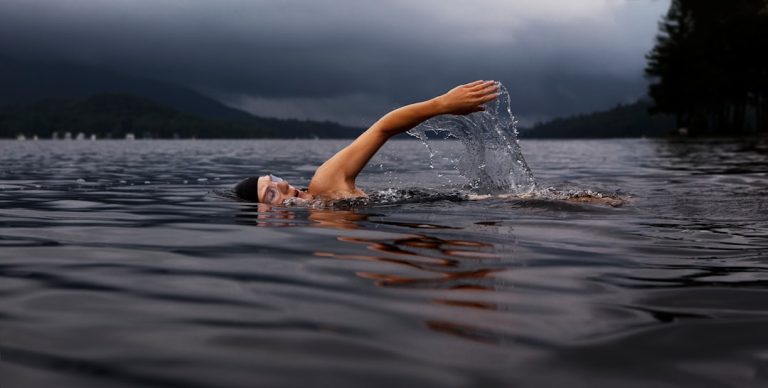
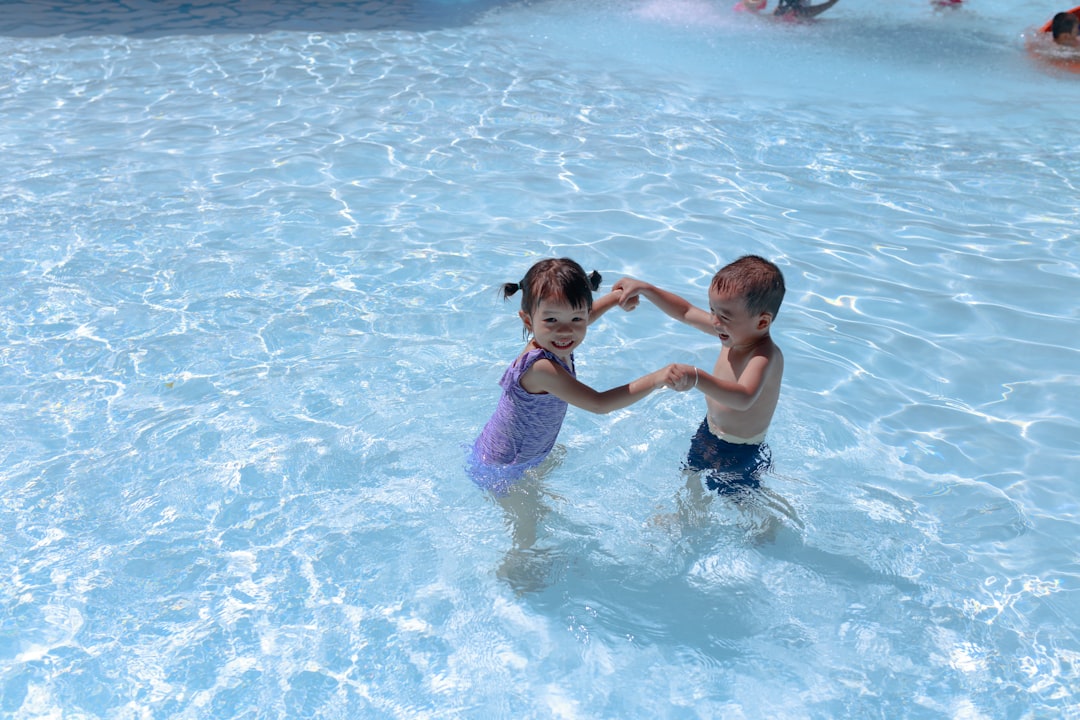
The swim is where most kids either fall in love with triathlon or decide it’s not for them, so it’s worth the most patient investment of the three disciplines. Start in a pool they already know, not open water — confidence in a controlled environment with a lifeguard and a wall to grab onto is what makes the eventual move to open water manageable rather than frightening. Practice sighting (lifting the head to look forward without breaking stroke), practice swimming in a crowd (siblings splashing about nearby works fine as a stand-in for a race pack), and practice getting in and out of the water quickly, since junior events are often shallow, mass-start affairs in a lake or a purpose-built lagoon. When you do introduce open water, go with a supervised club session rather than alone, keep the first few swims short, and let your child wear a wetsuit even in summer — cold water is the single biggest reason kids panic on their first open-water swim, not the distance or the depth.
Finding Your First Junior Race
The easiest way in is through a club rather than entering a race cold. Most triathlon clubs run dedicated junior sessions with qualified coaches, and a couple of sessions before race day means your child arrives already understanding how transition works, rather than working it out under pressure. British Triathlon’s regions run local TriStar leagues through spring and summer, and races are searchable via the events section of britishtriathlon.org: filter by postcode and by TriStar or Youth & Junior category. If your child hasn’t raced anything before, a local leisure-centre swim club or a junior parkrun are both decent, lower-stakes stepping stones. Whatever you choose, try to go and watch a race before entering one — junior triathlon is friendly, low-key and genuinely fun to spectate, and seeing it in person tends to settle race-day nerves far more effectively than any amount of explaining beforehand.
Getting a child into triathlon isn’t about producing a future age-grouper — it’s about giving them three sports, a finish line, and a reason to be proud of themselves on a Saturday morning. Start small, keep the kit simple, let the pace be theirs, and the rest tends to follow.