How to Write a Triathlon Race Report (And Why Every Athlete Should)
Writing a triathlon race report is one of the most underused training tools available to any athlete — professional or amateur. Whether you finished in the top 10 of your age group or scraped under the cut-off by minutes, committing your race experience to writing gives you a permanent record to learn from, celebrate, and refer back to when preparing your next event. Athletes who write structured reports after races consistently improve faster than those who simply move on to the next training block.
Why a Race Report Matters
A race report is not a diary entry — it is a performance debrief. It forces you to articulate what worked, what failed, and what you would change, which is far more valuable than reviewing a Garmin file in isolation. Over time, a collection of race reports becomes an irreplaceable personal coaching document. Context, decision-making, and emotional experience cannot be captured in a GPS file — but they can absolutely influence your next race plan.
What to Include: Seven Key Sections
- Pre-race logistics — How did check-in, racking, and warm-up go? Were there unexpected changes to the course, transition layout, or start sequence that you would plan differently next time?
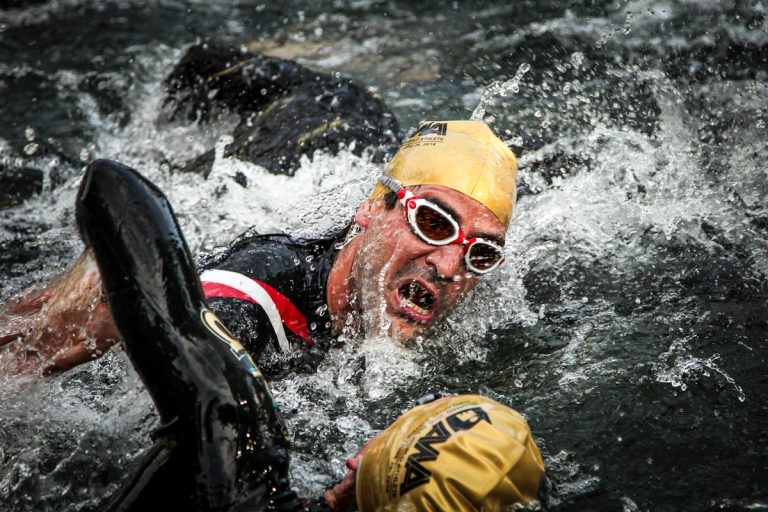
- Swim — Your start position, the first 200m experience, sighting accuracy, any drafting opportunities found or missed. Note your split time and how it compared to your target.
- T1 — Was it quick and smooth, or did something go wrong? What would you practise before the next race?
- Bike — Pacing versus plan, nutrition and hydration execution, any mechanical issues, how the terrain compared to your preparation. Record average power or speed and whether it aligned with your race plan.
- T2 — Speed, execution, any problems with shoes or race belt.
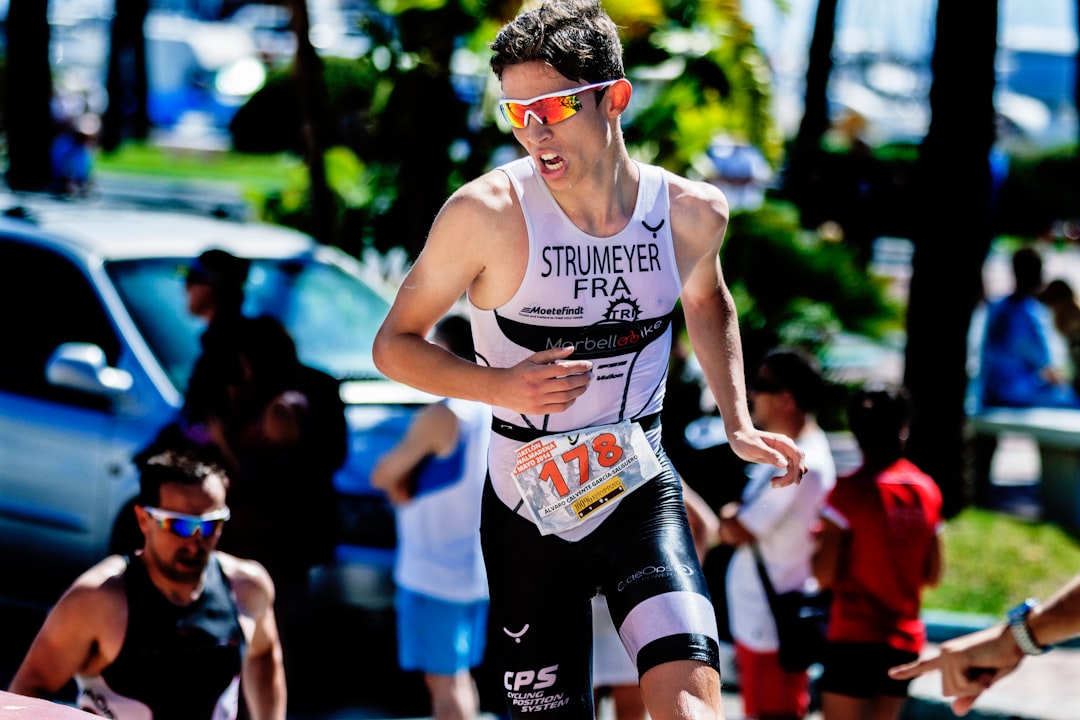
- Run — First kilometre pace versus target, mid-run sensation, final kilometre performance. Did you positive split, negative split, or blow up? Be completely honest — the data doesn’t lie.
- Post-race takeaways — Three things you executed well. One or two specific things to change for next time. Any gear, nutrition, or pacing adjustments to implement in training before your next event.
Writing Better Race Reports: 5 Tips
- Write it the same day — Emotional and physical memory fades within 24 hours. The most accurate, honest reports are written within 12 hours of crossing the finish line.
- Be specific with numbers — “I went too hard on the bike” is far less useful than “my average heart rate was 162bpm against a target of 148bpm on the bike.”
- Lead with positives — Begin each report with what went right before identifying problems. This keeps the debrief constructive and prevents a spiral of self-criticism that helps no one.
- Use a consistent template — Standardising the structure across all your reports makes comparison between races over months and seasons straightforward and revealing.
- Share with your coach — If you train with a triathlon coach, a detailed race report is far more valuable input than a Garmin export. Context and decision-making rationale are irreplaceable coaching data.
A Simple Race Report Template
Copy and save this template before your next race:
- Race: [Name, date, distance]
- Goal: [Target time — A goal / B goal / C goal]
- Result: [Finish time, age group position, overall position]
- Swim split + notes:
- T1 time + notes:
- Bike split + notes:
- T2 time + notes:
- Run split + notes:
- Three things I did well:
- Two things to change for next time:
- Training adjustments to make:
Start this habit after your very next race — even if it is a parkrun. The 15 minutes you spend in honest reflection are among the most productive training investments you can make as a triathlete.