How to Prepare for Your First Olympic Triathlon
An Olympic-distance triathlon — 1.5km swim, 40km bike, 10km run — is the most popular distance beyond sprint racing, and the format used at the Olympic Games. It’s achievable for regular, committed athletes with the right preparation. Here’s your complete guide to getting to the start line ready and confident.
How Much Training Do You Need?
For most athletes with a base level of fitness, a 12–16 week structured training plan is sufficient to complete your first Olympic triathlon comfortably. Three to five sessions per week across the three disciplines is realistic. The key is progressive overload: gradually increasing volume and intensity week by week, with a recovery week every fourth week.
The Three Disciplines: What to Expect
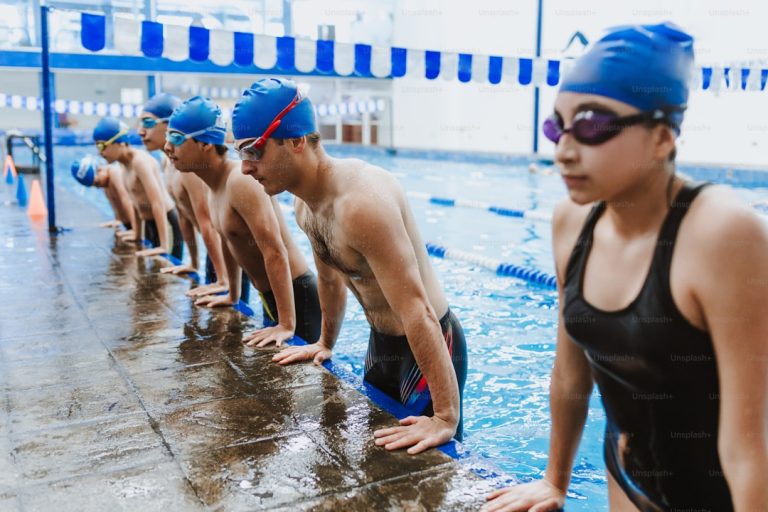
- Swim (1.5km): Most beginners underestimate the swim. If you can’t yet swim 1.5km continuously, prioritise pool work first. Open water practice is essential in the 6 weeks before race day — sighting, chop, and mass starts feel very different from a pool lane.
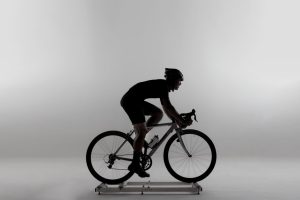
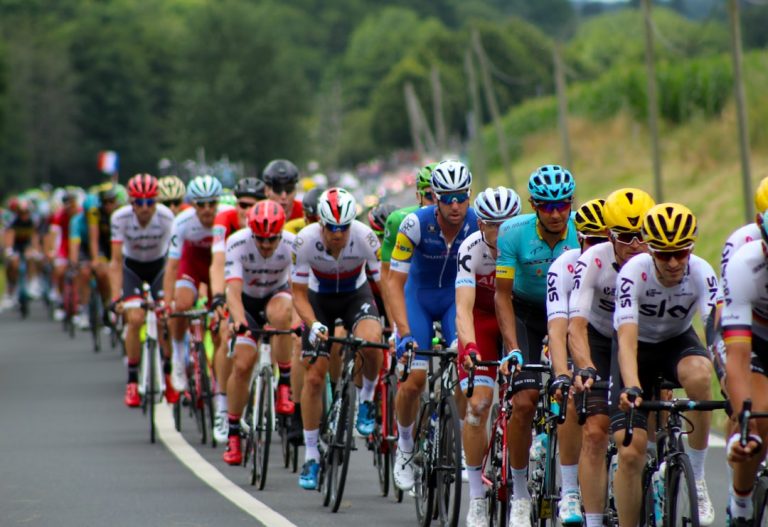
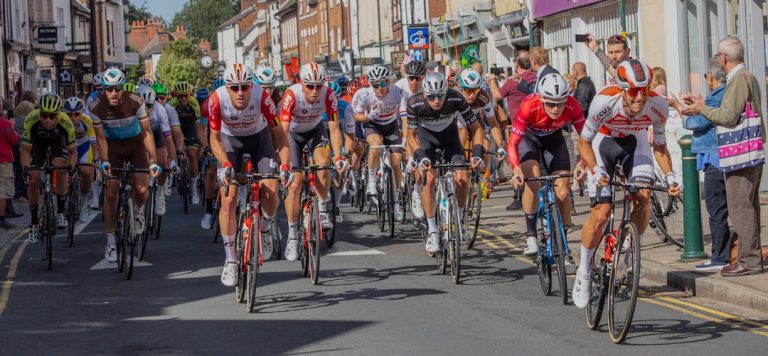
- Bike (40km): Your longest leg by time. On a standard road bike, expect 60–90 minutes. Practice riding in the aero position if you have clip-on bars, and always train with nutrition on board for rides over 45 minutes.
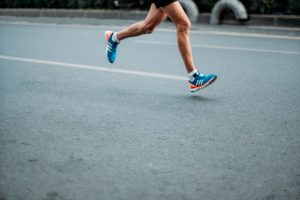
- Run (10km): Running off the bike feels nothing like a fresh 10km. Your legs will be heavy and your pacing instincts will be off. Brick sessions — a bike effort immediately followed by a run — are essential preparation.
Race Day Strategy
For a first Olympic triathlon, the goal should be to finish strong, not to set a personal best. Start the swim conservatively at the edge of the pack. Ride at a pace you could sustain for two hours. Start the run slowly: the first 2km off the bike will feel terrible regardless, and running too fast early almost always leads to a blowup in the final 3km.
Key Gear for Your First Olympic Triathlon
- Wetsuit: Highly recommended for UK races where water is usually below 20°C. Borrow one before investing in your own.
- Trisuit: A single-piece trisuit worn under your wetsuit saves transition time and is worn for the entire race.
- Elastic laces: Lock laces or Xtenex are cheap, easy to install, and save valuable seconds in T2.
- Race belt: Clip your race number to a belt so you can attach it in seconds in transition.
Race Day Nutrition
Eat a familiar, carbohydrate-rich breakfast 2–3 hours before the race — porridge, toast with banana, or overnight oats. On the bike, aim to consume 40–60g of carbohydrate per hour (one energy gel every 20–25 minutes or a bar at the halfway point). Sip water at every aid station on the run, and consider a gel at the 5km mark.
Transitions: Practice Makes Perfect
Many first-time triathletes spend far too long in transition. Practice T1 (swim-to-bike) and T2 (bike-to-run) at home: laying out your kit in order, removing your wetsuit quickly, racking and unracking your bike, and clipping on your helmet and shoes. A dedicated transition practice session in the week before your race is one of the best uses of training time available to you.
The Bottom Line
Your first Olympic triathlon will be tough, exhilarating, and deeply satisfying. Trust your training, start conservatively, and enjoy the experience — most people who complete their first Olympic immediately start planning their next one.