How to Fuel Your Bike Leg in a 70.3 Triathlon
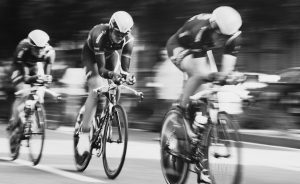
The bike leg is where most 70.3 triathletes lose the race — not by going too slow, but by fuelling poorly. Get your nutrition strategy right on the 90km ride and your run will be a controlled effort. Get it wrong and you will crawl through T2 with nothing left. This guide covers everything you need to know about fuelling a 70.3 bike leg.
How Many Calories Do You Need?
Most athletes will spend 2 to 3.5 hours on the 70.3 bike leg. At race intensity you burn 600–900 calories per hour, but your gut can only absorb and use 60–90 grams of carbohydrates per hour. The goal is to take on enough to keep your glycogen topped up without overloading your digestive system. Aim for 60–80g of carbs per hour on the bike, starting within the first 15 minutes — not when you feel hungry, because by then it is already too late.
Solid vs Liquid: What to Carry
Liquid nutrition (sports drinks, gels with water) is faster to absorb and easier to pace precisely. Solid nutrition (bars, chews, homemade rice cakes) provides psychological comfort and is more palatable over a long effort but is harder to eat at race pace. Most experienced 70.3 athletes use a mix: a concentrated liquid carbohydrate drink in their front hydration system for the first hour, supplemented by two or three gels or chews across the second half of the ride.
A Simple 90km Bike Nutrition Plan
- 0–15 minutes: Settle in, take first 200ml of carbohydrate drink
- Every 20 minutes: 150–200ml of sports drink or a gel with water — approximately 30g carbs per serving
- 45km mark: Check in with your stomach — if solid, continue your rhythm; if bloated, switch to plain water and wait 10 minutes before resuming carbs
- Final 20km: Reduce solid intake and switch to liquids to set up a well-stocked gut for the start of the run
- Electrolytes: Take sodium (400–600mg per hour in heat) alongside carbs to prevent cramping and support fluid absorption
Common Mistakes to Avoid
- Starting too late: Many athletes wait until kilometre 30 before eating — by then their glycogen reserves are already depleting and catching up is very difficult
- Eating too much solid food: Bars and chews take longer to digest; a stomach full of solid food leaving T2 will slow your run significantly
- Relying on race-day products you have never trained with: Always use your race nutrition products in training at race intensity. Your gut needs practice absorbing carbs under stress.
- Not drinking enough water alongside gels: Taking gels without water concentrates your gut contents and causes nausea — always chase gels with at least 150ml of plain water
Practise Before Race Day
The most important advice is simple: practise your entire nutrition plan on your long ride sessions three to four times before your A-race. Run through T2 at the end to test how your gut handles the transition from cycling to running with a stomach full of race nutrition. Every athlete is different — some can take 90g of carbs per hour comfortably, others feel nauseous above 60g. You will not know which you are until you have tested it in training.