
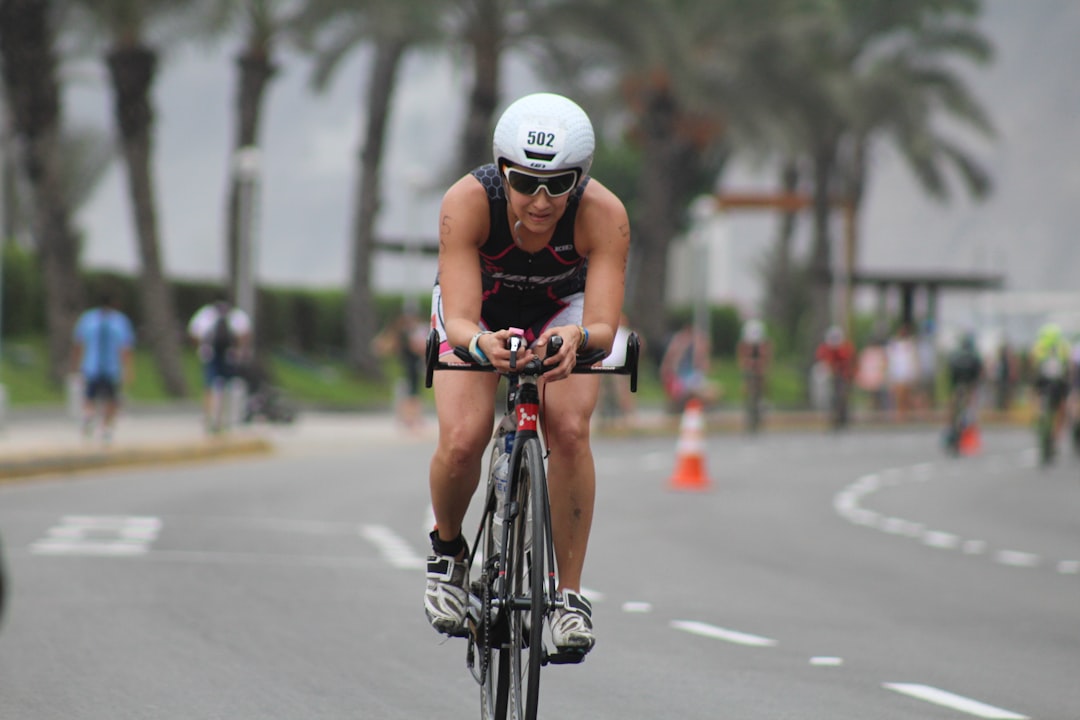
Brick Session: 80km Bike and 10km Run
Session Overview
This long brick session is a cornerstone of IRONMAN 70.3 and full IRONMAN preparation. At 80km cycling followed immediately by a 10km run, it stress-tests your pacing, nutrition, and the neuromuscular adaptation needed to run after a long bike effort. Expect your first kilometre of running to feel heavy — that is entirely normal and the adaptation you are training.
What You'll Need
- Road bike or triathlon bike
- Running shoes and race kit (practice your T2 transition)
- On-bike nutrition: 3–4 gels or bars plus electrolyte drink (aim for 60–90g carbs/hour)
- Run nutrition: 1–2 gels plus water (practice taking from aid station cups or bottles)
- GPS watch with multisport mode
Warm-Up (20 minutes on bike)
Begin with 20 minutes easy riding at zone 2 (RPE 4–5). Gradually increase cadence to 90–95rpm. Include 3 x 30-second build efforts in the final 5 minutes to prime your legs without fatiguing them before the main effort begins.
Main Set
Ride 80km at your target IRONMAN bike pace (RPE 6–7, approximately 70–75% of FTP). Focus on consistent power output rather than chasing speed on favourable sections. Fuel every 20–25 minutes on the bike — do not wait for hunger.
- 0–30km: Settle into race pace, resist the temptation to go hard on early tailwind or downhill sections
- 30–60km: Maintain steady effort, focus on nutrition and hydration execution
- 60–80km: Conserve for the run — reduce cadence slightly, stay in aero, but avoid surging
- T2: Quick change into running shoes. Note: your first km of running will feel slow and heavy. This is normal — start the run conservatively at RPE 5–6 and build if you feel good after 3km
- 10km run: Target your IRONMAN or 70.3 race run pace. This is not a fast run — it's a controlled effort that mimics racing conditions
Cool-Down (10 minutes)
Walk for 5 minutes after the run, then complete gentle leg swings and hip flexor stretches. Consume recovery nutrition within 30 minutes — a mix of carbohydrate and protein to begin glycogen replenishment.
Coaching Notes
- If your run pace is more than 20% slower than your standalone run pace, your bike effort was too high. Adjust the bike intensity down in your next brick.
- Easier variation: 60km bike + 8km run if this is your first long brick of the season.
- This session should leave you tired but not destroyed. If you cannot function the following day, recovery and fuelling need attention.
- Target heart rate: keep HR below 80% of max for the entire bike leg.
You Might Also Like
Training at your own risk. The information provided is for general guidance only and is not a substitute for professional medical advice. Please consult a doctor before starting any new exercise programme, especially if you have any pre-existing health conditions.