How to Recover After Your First Triathlon: A Week-by-Week Guide
You’ve crossed the finish line, collected your medal, and eaten roughly everything in sight. Now what? The week after your first triathlon is one of the most important training periods of all — even though it doesn’t look like training. Here’s how to recover properly so you come back stronger, not broken.
The First 24 Hours: Rest and Refuel
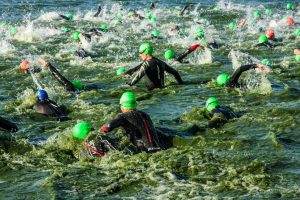
Your body has just completed a significant multi-discipline effort. Muscle glycogen stores are depleted, micro-tears in muscle fibres are present, and your immune system is temporarily suppressed (the so-called “open window” of vulnerability to illness in the 24–72 hours post-race). Your priorities right now are simple: rest, eat, and hydrate.
- Eat a proper recovery meal within 60 minutes of finishing — protein (25–40g) plus carbohydrates to begin glycogen replenishment
- Drink consistently through the afternoon and evening — aim for pale yellow urine
- Gentle walking is fine; strenuous exercise is not
- Sleep is your best recovery tool — aim for 9+ hours the night after the race
- Avoid alcohol for at least 24 hours — it impairs protein synthesis and disrupts sleep quality
Days 2–3: DOMS Peaks — Keep Moving Gently
Delayed onset muscle soreness (DOMS) typically peaks 48 hours after race day. Your quads, calves, and shoulders will likely all be talking to you. This is normal — it’s inflammation and micro-damage repair in progress. The worst thing you can do is sit completely still.
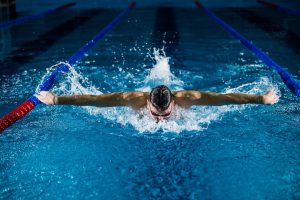
Active recovery is far superior to total rest for clearing soreness. A 20–30 minute easy swim (no harder than conversational effort) on day two is ideal — water reduces joint load and the movement promotes blood flow without adding stress. A short walk or easy 20-minute spin on a stationary bike are good alternatives. Avoid running until soreness has subsided.
- Cold-warm contrast showers help circulation and feel better than you’d expect
- Foam rolling major muscle groups — quads, hamstrings, calves, glutes — for 5–10 minutes
- Elevation of legs helps reduce swelling
- Compression socks during the day can aid venous return
Days 4–5: Light Exercise Returns
By day four, most of your DOMS should have eased significantly. You can begin to return to light swim and bike sessions — but keep intensity firmly in zone 1–2. If you’re using a heart rate monitor, stay below 75% of max heart rate for these sessions. Running can return with an easy 20–30 minute jog if soreness allows. If your legs still feel heavy, add another rest day.
Week 2: Back to Normal — Mostly
In the second week post-race, you can return to your normal training volume at easy intensity. Avoid structured interval work until the end of week two at the earliest. Your fitness hasn’t gone anywhere — you just need to let your body fully rebuild before adding stress again. Many coaches recommend treating the week after a race like the first week of a new training block: low volume, all easy.
Signs You’re Recovering Well
- Resting heart rate returning to your pre-race baseline within 3–5 days
- HRV rising back towards your normal range by the end of week one
- Appetite returning to normal (not constantly craving food)
- Sleep quality improving — less tossing and turning
- Mood stabilising — post-race blues are real but usually pass within a week
When to Seek Help
Normal post-race soreness is diffuse, affecting whole muscle groups, and improves day by day. Seek advice from a physio or GP if you experience: sharp or localised joint pain (rather than general muscle soreness), pain that is getting worse rather than better after 3–4 days, swelling around a specific joint, or any chest tightness or difficulty breathing. These warrant professional assessment, not rest-and-hope.