MET Drone Wide Body II Review: The Fastest Aero Helmet for Triathlon?
What to Look For in an Aero Triathlon Helmet
An aero helmet is one of the fastest free speed gains available in triathlon — saving more watts than any other single piece of equipment at the same price point. The key factors are aerodynamic performance (validated by wind tunnel testing), head position compatibility (some aero helmets only work in a very aggressive aero position), ventilation for hot race days, and visor quality. Budget aero helmets often sacrifice two of these for one; the best designs balance all four.
Key Features to Consider
- Wind tunnel testing — look for helmets with published drag data at multiple head angles, not just peak-aero position
- Head position range — a narrow optimum position becomes a liability the moment you look up in transition or open water; wider tolerance is better
- Visor quality — anti-fog, anti-scratch, and UV protection matter; cheap visors distort vision at high speed
- Ventilation channels — dedicated front vents and internal channels are essential for hot-weather racing
Our Top Picks
Best Race Helmet: MET Drone Wide Body II UAE Team Emirates — £449.99
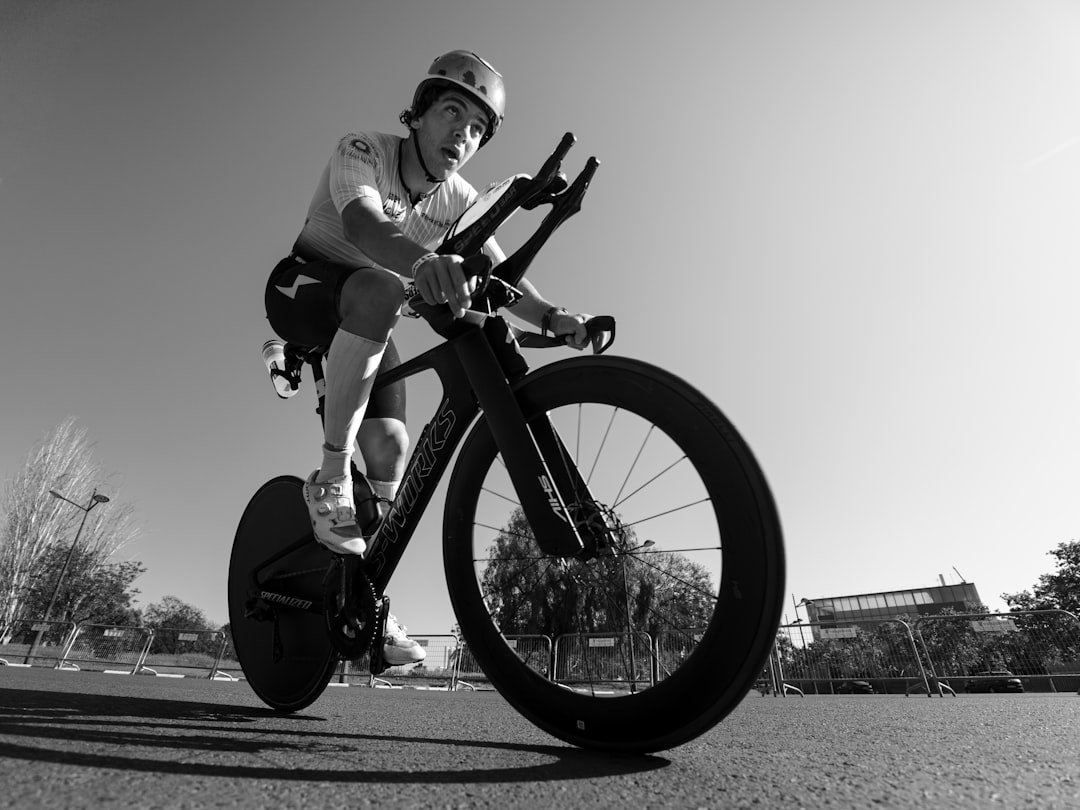
The MET Drone Wide Body II is the gold standard for triathlon and TT aero helmets. Developed using MET’s in-house wind tunnel, the second-generation Drone features a redesigned tail that makes it 13.5 seconds faster over 40km than the original — a measurable, meaningful gain. The “Wide Body” shell is specifically designed for a wider range of head positions, which makes it forgiving when you look up on the run exit or glance into corners. It’s the helmet worn to multiple IRONMAN World Championship and Tour de France TT victories. The UAE Team Emirates edition includes a premium anti-scratch, anti-fog visor.
Best Mid-Range TT: Abus GameChanger TT — £305
The Abus GameChanger TT is a dedicated time trial and triathlon helmet designed for athletes who want race-proven aerodynamics at a slightly lower price point than the Drone Wide Body II. Its elongated tail performs strongly in wind tunnel comparisons at head positions between 0° and 15° — the range most triathletes ride at. The GameChanger TT uses a removable visor with anti-scratch coating and a retention system that fits most head shapes out of the box. A solid choice for athletes racing 70.3 or full-distance events.
Best Entry-Level Aero: Abus GameChanger 2.0 MIPS — £199.00
If you want aero gains without crossing the £200 mark, the Abus GameChanger 2.0 MIPS is the most capable option available. It’s technically a road aero helmet rather than a full TT design, which means more ventilation and a slightly less radical position — but it’s faster than any standard road helmet and includes MIPS safety technology. For sprint and Olympic distance racing, it delivers meaningful speed savings at a fraction of the premium options’ cost.
Buying Tips
- Try before you buy where possible — aero helmet fit varies dramatically between manufacturers; a helmet that doesn’t sit correctly aerodynamically is useless
- Check IRONMAN 2026 competition rules on helmet visor legality before racing — visors are now prohibited in draft-legal events but remain permitted for non-draft triathlon
- Store aero helmets off a hook (the shell can deform under its own weight if hung incorrectly) — use a helmet bag or on a flat surface
Care and Maintenance
Clean aero helmets with mild soap and warm water — avoid solvent-based cleaners that attack polycarbonate shells. Remove and clean visors separately. Replace the helmet immediately if it sustains any impact; the EPS foam liner is single-use and will not protect correctly after a crash, even if damage isn’t visible externally.
This article contains affiliate links. If you purchase through these links, we may earn a small commission at no extra cost to you. This helps support The Triathlete.