Best Disc Brake Pads for Triathlon Bikes 2026
What to Look For
Disc brake pads are consumable — they wear down and lose bite over months of training, and worn pads are a real safety issue on fast descents during long-course racing. Swapping them is a cheap, five-minute job that’s easy to put off until it’s a problem.

Key Features to Consider
- Compound — organic/resin pads bite faster and run quieter but wear out sooner; metallic/sintered pads last longer and handle wet weather and heat better on long descents.
- Brand/caliper match — pads are caliper-specific, not universal; check compatibility with your exact brake model before buying.
- Bedding-in requirement — new pads need a proper bed-in process before they reach full stopping power.
- Heat tolerance — riders training in hilly or mountainous terrain benefit from pads rated for sustained braking without fade.
Our Top Picks
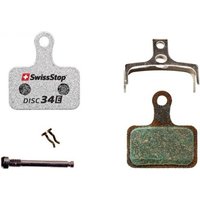
Best Overall: SwissStop Endurance Disc Brake Pads
SwissStop specialises in brake pads rather than treating them as an accessory line, and the Endurance compound is built specifically for the wet-weather, high-mileage riding most triathletes actually do.
Best Value: Jagwire Steel Disc Brake Pads (Semi-Metallic)
The cheapest pads on this list without cutting corners on the steel backing plate — a sensible choice for a routine service rather than a performance upgrade.
Best Premium: Galfer Pro Disc Brake Pads
Galfer’s Pro line is built for consistent bite under sustained heat, making it a solid choice for riders training on longer descents ahead of hilly 70.3 or Ironman-distance courses.
Also Worth Considering (OEM-Matched)
- Shimano K04S Disc Brake Pads — the safest like-for-like match if your bike runs Shimano calipers. Check price on Tredz
- SRAM Organic/Steel Disc Brake Pads — the direct match for SRAM-equipped bikes. Check price on Tredz
Buying Tips
- Double-check which caliper your bike uses (Shimano, SRAM, or a third-party brand) before ordering — pads are not interchangeable across brake systems.
- Buy a spare set ahead of a big A-race so you’re never racing on pads you’re unsure about.
- Bed in new pads with a series of controlled stops from moderate speed before you rely on them for a fast descent.
Care and Maintenance
Check pad thickness every few months, keep them clean of chain lube and degreaser overspray (contamination is the most common cause of noisy or weak braking), and replace both pads in a caliper together rather than one at a time.
This article contains affiliate links. If you purchase through these links, we may earn a small commission at no extra cost to you. This helps support The Triathlete.