Disc Brakes vs Rim Brakes for Triathlon Bikes: Which Should You Choose?
Almost every new triathlon and road bike sold today comes with disc brakes, but a lot of perfectly good rim-brake bikes are still out there — including plenty in active use by triathletes who bought before the switch became universal. If you’re choosing between the two, or wondering whether to upgrade, here’s what the difference actually means for racing and training.
Stopping Power and Modulation
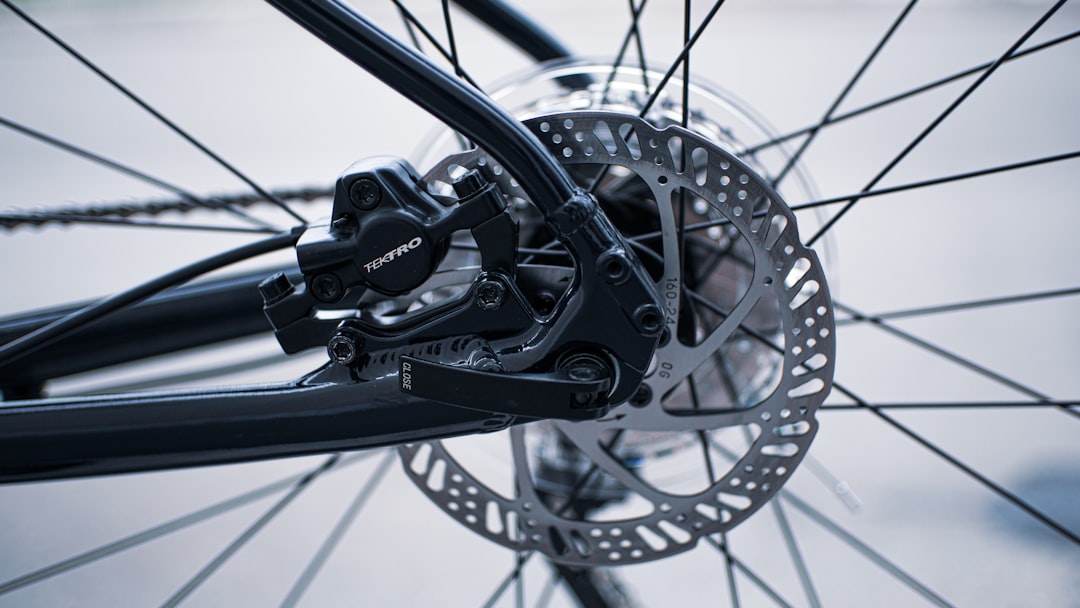
Hydraulic disc brakes give noticeably better modulation — the ability to apply exactly the amount of braking force you want, rather than an on/off feel — and they perform far more consistently in the wet, since the braking surface isn’t exposed to road spray the way a rim is. For triathletes racing in variable weather, or descending on a technical bike course after the swim and T1, that consistency is a genuine safety advantage.
Weight
Rim brakes still hold a small weight advantage at the very top end of bike builds, since disc systems add rotors, callipers and typically a slightly heavier wheel to handle the different braking forces. For most triathletes training and racing at sub-elite level, this difference is marginal against total system weight and rarely worth chasing at the expense of braking performance.
Aerodynamics
Modern disc-brake aero frames are now designed around the disc calliper from the ground up, and current-generation aero road and TT bikes with disc brakes are not meaningfully slower than their rim-brake predecessors — in some cases the wider tyre clearance disc frames allow (running lower rolling resistance at a given tyre pressure) offsets any small calliper drag penalty.
Maintenance and Wheel Changes
Disc brakes need periodic bleeding (hydraulic) and rotor replacement, and pad rub after a wheel swap is a common minor annoyance. Rim brakes are simpler to service at home and use universally interchangeable pads, but rim wear from braking is a real, gradual failure mode — a badly worn braking surface can eventually crack under pressure, which doesn’t happen with a disc rotor.
Wheel and Component Availability
This is now the deciding factor for most buyers: the vast majority of new wheelsets, groupsets and race-day wheel rental/loan programmes at big events are disc-only. If you’re buying a new bike, going disc keeps you compatible with what the market is actually selling. If you already own a well-maintained rim-brake bike, there’s no urgent need to replace it purely for brake type.
So Which Should You Choose?
- Buying new: go disc — it’s now the default across every price point and the wider tyre clearance is a genuine training and racing benefit.
- Already own a rim-brake bike: keep riding it. Rim brakes aren’t unsafe or obsolete, and a mid-life upgrade to disc usually means a new frame, not just new brakes.
- Racing in the wet regularly: disc’s consistent wet-weather stopping power is the strongest single argument in its favour.
If you’re shopping for rotors to go with a disc setup, see our guide to the best disc brake rotors for triathlon, and check out our best triathlon bikes roundup for current disc-equipped options across budgets.