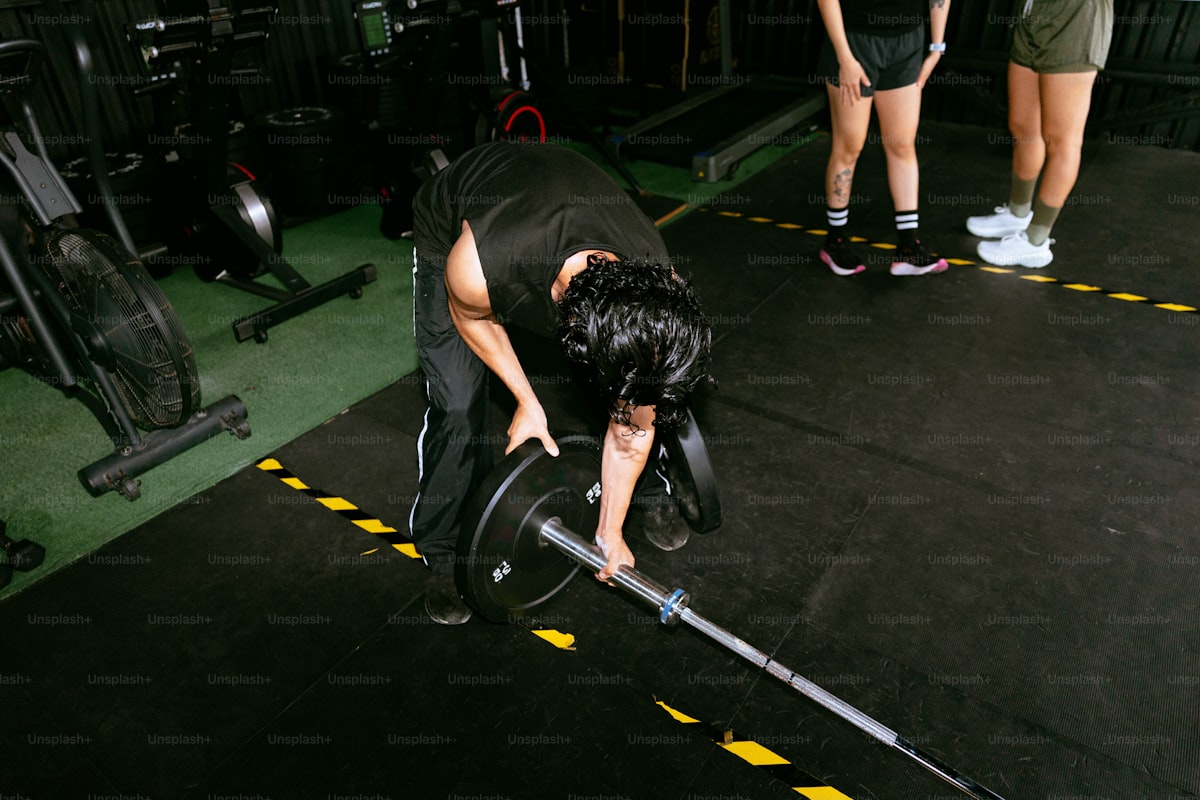
Velocity-Based Training for Triathletes: The 2026 Strength Trend Explained
Velocity-Based Training (VBT) is the strength and conditioning methodology that elite coaches have used for years — and it is now becoming accessible to age-group triathletes. Rather than prescribing a fixed number of reps at a percentage of your 1-rep max, VBT tells you to stop each set the moment bar speed drops below a target threshold. The result: maximum neuromuscular stimulus with minimum fatigue. In a sport where recovery time is already stretched thin, that matters enormously.
What Is Velocity-Based Training?
Traditional strength training prescribes load by percentage of 1RM — for example, four sets of five at 80 percent. The problem is that 80 percent on a fatigued Tuesday is very different from 80 percent on a fresh Saturday. VBT solves this by using a velocity sensor attached to the barbell or your wrist to measure the speed of each rep in metres per second. When your rep speed drops by a set percentage (typically 10 to 20 percent from your first rep), the set ends — regardless of how many reps remain.
Why It Works for Triathletes
- Autoregulates fatigue — If you are carrying residual fatigue from a long ride, VBT automatically reduces your rep count. No guessing, no overtraining.
- Maximises power development — Stopping sets early means you never train the slow, fatigued portion of a set. Every rep is explosive and high-quality.
- Complements endurance training — Short, high-intent strength sessions of 20 to 30 minutes are easy to slot alongside swim, bike and run without compromising recovery.
- Tracks progress objectively — Bar speed at a given load is a reliable proxy for neuromuscular readiness and adaptation over time.
How to Start with VBT
You do not need expensive equipment to start. Smartphone apps such as Metric VBT or Train Heroic can use your phone’s camera to estimate bar velocity for free. For more accuracy, dedicated devices like the PUSH Band 2.0 (around £200) clip onto any barbell and give real-time velocity feedback on your phone.
- Choose 2 to 3 movements: Squats, trap bar deadlifts, and split squats cover the lower-body demands of cycling and running without excessive recovery cost.
- Set a velocity zone: Power zone = 0.75 to 1.0 m/s; strength-speed zone = 0.50 to 0.75 m/s. Start in the power zone to maximise transfer to cycling and running.
- Use a 20 percent velocity drop rule: End the set when your rep speed drops more than 20 percent from your first rep. This is conservative and beginner-friendly.
- Train twice per week: Two 25-minute VBT sessions per week is enough for meaningful triathlon-specific strength gains without interfering with sport-specific training.
Sample VBT Session for Triathletes
- Trap bar deadlift: 4 sets, velocity zone 0.75 to 1.0 m/s, 20% velocity drop rule, 3 minutes rest
- Goblet squat: 3 sets, velocity zone 0.70 to 0.90 m/s, 20% drop rule, 2 minutes rest
- Single-leg split squat: 3 sets each leg, velocity zone 0.60 to 0.80 m/s, 20% drop rule, 90 seconds rest
Total session time: approximately 25 minutes. This fits neatly before an easy swim or after a rest day without meaningfully impacting subsequent training sessions.
Is VBT Right for You?
VBT is not for absolute beginners to strength training — you need solid technique in your chosen movements before adding velocity monitoring. But for any triathlete who already does regular gym sessions and wants to make them more efficient and data-driven, VBT is one of the most evidence-backed upgrades available in 2026. The tools are now affordable enough for age-groupers, and the performance transfer to the bike and run is well-documented in the sports science literature.