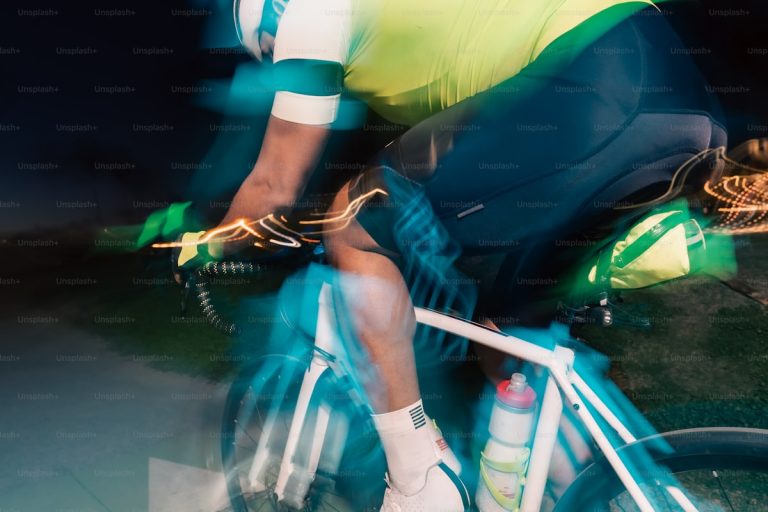
How to Manage Cramping During Triathlon
Nothing derails a triathlon performance quite like a muscle cramp. That sudden, involuntary spasm in your calf, quad, or hamstring can stop you dead mid-run — and once it starts, it is very hard to shift. Understanding why cramps happen and how to prevent them can be the difference between a personal best and a painful hobble to the finish line.
What Actually Causes Cramps?
The old explanation — dehydration and electrolyte loss — is now known to be incomplete. Research on Ironman athletes found little difference in hydration and sodium levels between those who cramped and those who did not. The more compelling explanation is neuromuscular fatigue: when muscles are pushed harder and longer than they have been trained to handle, the inhibitory reflex that normally prevents excessive contraction breaks down.
In simple terms: you are more likely to cramp when you go out too hard and your muscles are not adequately trained for the distance and intensity.
The Main Risk Factors
- Going too fast too early: Cramping is strongly correlated with pace — athletes who go hardest relative to their fitness cramp most
- Training gaps: If your longest training run before a race is 30 minutes but your race run is 10km, your legs will be unprepared
- Electrolyte depletion: While not the primary cause, heavy sweating combined with electrolyte neglect can contribute in long events (70.3 and Ironman)
- Bike-to-run fatigue: The shift from cycling to running stresses different muscle groups — triathletes are especially vulnerable in the early kilometres of the run
Prevention Strategies
Train specifically for the distance. Your body needs to have rehearsed the full race effort. Include at least 2-3 training sessions that simulate race-day duration for your weakest discipline.
Practise negative splits. Starting conservatively on the run protects your muscles from early-onset fatigue. Negative split training develops this pacing discipline.
Electrolyte strategy for long events. For 70.3 and Ironman distances, use sodium-containing sports drinks, gels with electrolytes, and salt capsules in the final hour of the bike and throughout the run leg.
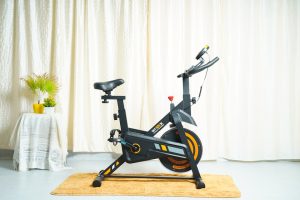
Practise brick sessions. Running immediately off the bike trains your legs to handle the transition. Even short 5-10 minute bricks after regular rides build adaptation over time.
When a Cramp Strikes Mid-Race
- Slow to a walk immediately and do not try to run through it
- Apply gentle static stretch to the affected muscle for 20-30 seconds
- Walk for 2-3 minutes before attempting to run again
- Sip electrolytes or take a salt capsule if available at the next aid station
- Reduce your running pace by 10-15% for the remainder of the race
Cramping is not a sign of weakness — it is a sign that your muscles have been pushed beyond their trained capacity. The solution is always more specific training, better pacing, and smart nutrition for longer events.