How to Train Your Weakest Triathlon Discipline (Without Sacrificing Your Strengths)
Every triathlete has a weak discipline. For most, it’s the swim. For others, it’s running off a tired bike, or grinding out long solo rides without the motivation of a group. The challenge isn’t identifying your weakness — it’s addressing it without letting your strengths atrophy in the process.
Step 1: Identify It Honestly
This sounds obvious, but many triathletes misidentify their weakest discipline. If your swim takes 5 minutes longer than average but your bike pace is race-competitive, swimming may look weak but might actually be performing appropriately for your training age. Use race data: compare your splits to age-group averages for your distance. Where do you lose the most time relative to your competition? That’s your real weakness — not the one you simply dislike most.
Also look at your training diary. The discipline you dread, skip, or consistently underperform in training is usually the one that costs you most on race day — both in time and in confidence.
Step 2: Add Volume First, Intensity Second
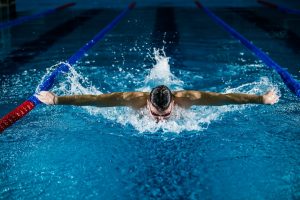
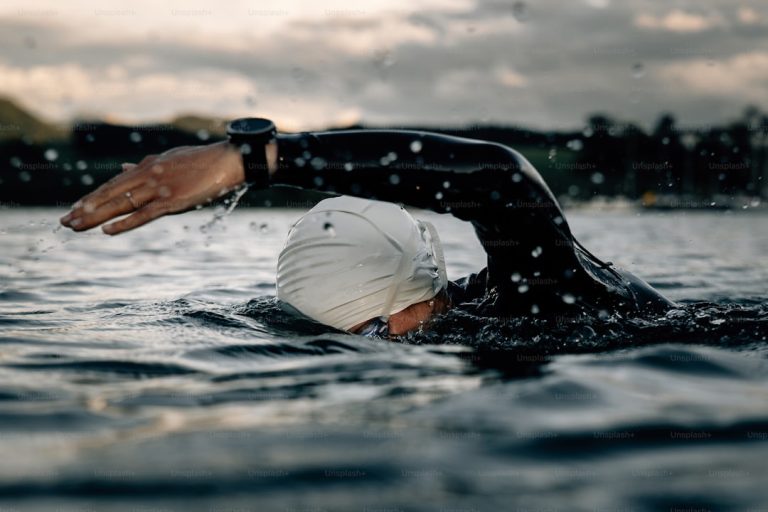
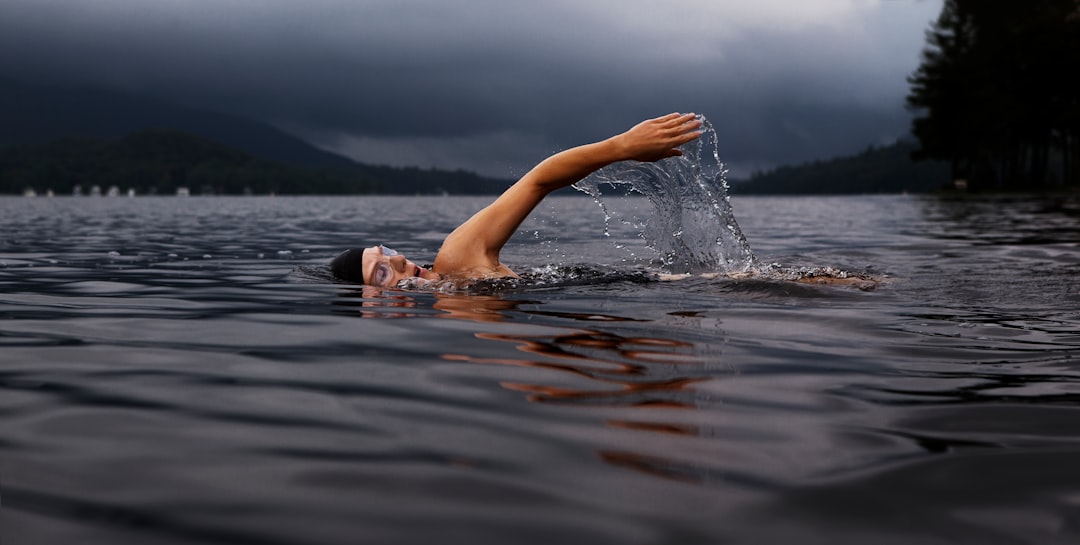
When trying to improve a weak discipline, the instinct is to start hammering intervals. Resist this. If you’re weak in a discipline, your aerobic base there is likely underdeveloped. Adding two extra easy swims per week will do more for your swim speed in the first 8 weeks than any interval set, because you’re developing the aerobic engine rather than just flogging a limited one.
Add one additional low-intensity session per week to your weak discipline. Keep it at Zone 2 effort and prioritise volume. After 4-6 weeks, when the base is established, integrate quality work progressively.
Step 3: Protect Your Strengths With Maintenance Volume
If you’re shifting time toward your weak discipline, something else in your schedule has to move. The temptation is to cut from your strong disciplines. Don’t eliminate sessions entirely — replace one long session in a strong discipline with a shorter, sharper maintenance session instead. You need only 1-2 quality sessions per week to maintain fitness you’ve already built. You don’t need to keep building it while you’re fixing a weakness elsewhere.
Step 4: Get Technical Help Early
A weak discipline often has a technical flaw at its root. Spending money on a swim analysis from a qualified coach, or a professional bike fit, will often unlock more improvement in 6 weeks than months of solo training. A coach can identify the one thing costing you the most — whether that’s a dropped elbow in the catch, an inefficient pedal stroke, or overstriding on the run — and address it in a single session or two.
Step 5: Race It Before You Feel Ready
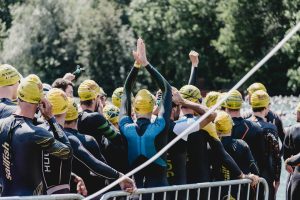
The fastest way to accelerate improvement in a weak discipline is to enter a standalone event in that discipline before you feel confident. An open water swim race, a local cycling sportive, or a parkrun all put you in a competitive environment that replicates race-day pressure and exposes exactly where your weakness manifests under real conditions. You’ll learn more from one race than from six weeks of solo training sessions.
A Note on Balance
Don’t spend more than one full training block (8-12 weeks) treating a single discipline as your priority. After that cycle, reassess: have you closed the gap? Is your time better spent building on improved foundations, or does the weakness need another targeted phase? Triathlon is a sport of balance — chasing perfection in one discipline usually costs more time overall than a measured, multi-discipline approach.