How to Get Faster at Triathlon Without Training More
More hours is not always the answer. For most age-group triathletes juggling work, family and training commitments, the path to faster race times lies not in volume but in how efficiently you deploy the hours you already have. Here are eight proven ways to improve your triathlon performance without adding a single extra session.
1. Fix Your Swim Technique First
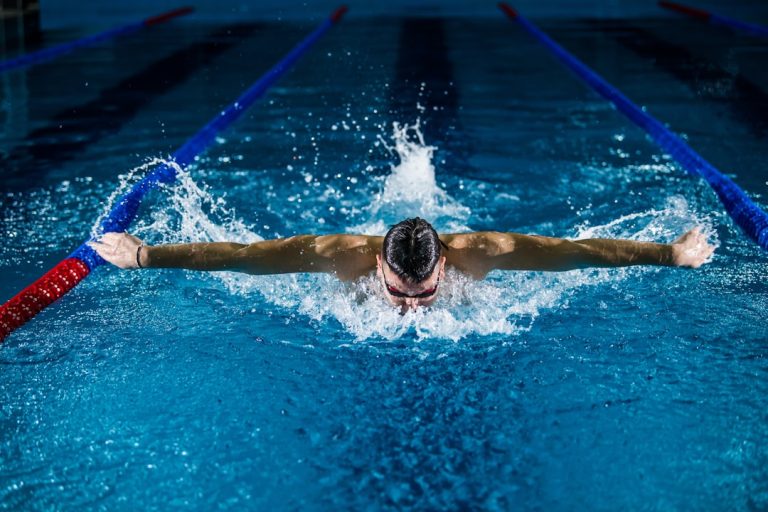
Swimming is the most technique-dependent of the three disciplines. A 10% improvement in stroke efficiency can cut three to four minutes from an Olympic swim split — gains that would take months of extra volume to replicate through fitness alone. A single session with a qualified swim coach or video analysis often reveals one or two core issues that, once fixed, deliver instant and lasting improvement.
2. Make Your Easy Days Actually Easy
Many triathletes train in the grey zone — not easy enough to recover, not hard enough to build fitness. This polarised mistake leads to accumulated fatigue and mediocre workouts across the board. If your easy sessions are genuinely Zone 1-2, your hard sessions become harder and more effective. The result is better fitness stimulus from the same weekly hours.
3. Dial In Your Race Pacing
Poor pacing is the single most common cause of a bad race. Going out too hard on the bike — even marginally — causes metabolic debt that compounds through the run. Study your power data or heart rate from past races. For most age-groupers, 5-10 watts more conservative on the first bike loop translates to 2-4 minutes of run time saved. This costs nothing in training.
4. Practise Your Transitions
T1 and T2 are free speed. Elite athletes practise transitions until they run on autopilot. Rehearsing your T1 (wetsuit removal, helmet on, shoes mounted) and T2 (rack bike, swap shoes, cap and glasses off) once a week for four weeks before a race can save 45-90 seconds without any cardiovascular cost.
5. Get a Professional Bike Fit
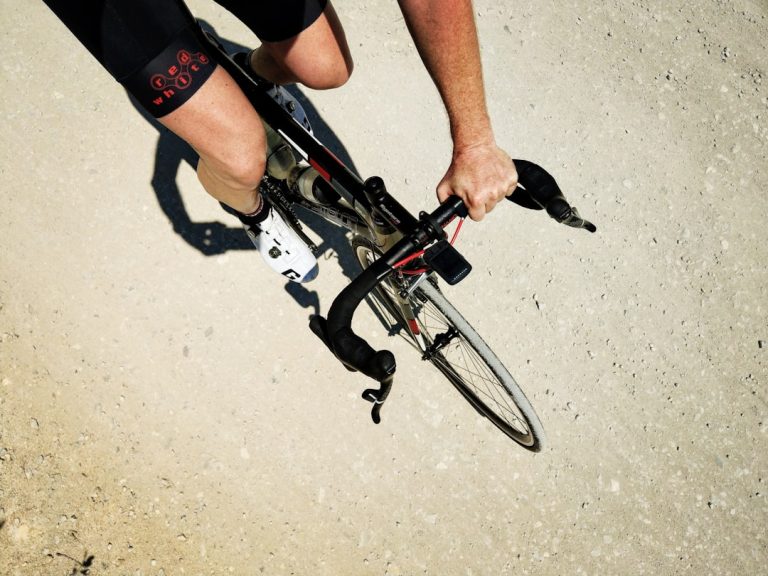
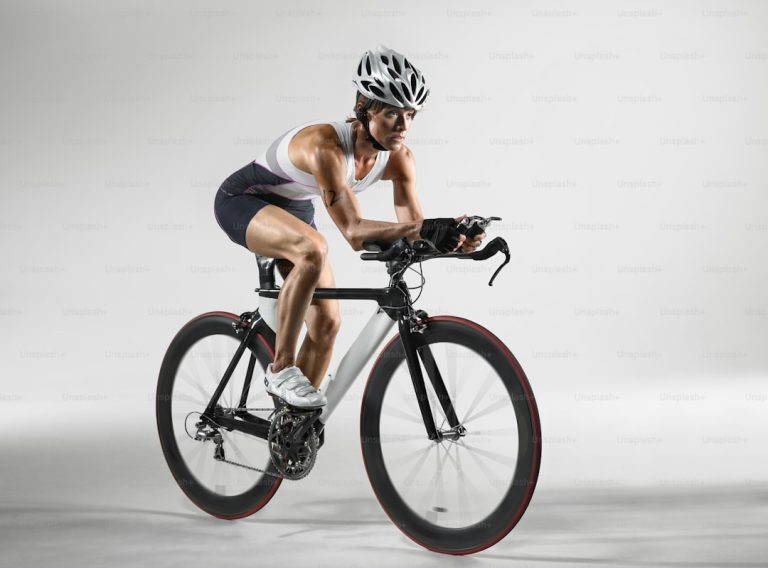
A professional bike fit delivers 5-10 minutes of aerodynamic and power gains on the Olympic or 70.3 bike leg at no fitness cost. Small changes — saddle height, handlebar drop, hip angle — affect both your power output and your ability to run effectively off the bike. Most fitters charge £150-250 and the gains last years.
6. Train Your Race Nutrition
Race nutrition is trainable. Practising your fuelling strategy in training — gels, electrolytes, timing — removes gut-distress risk on race day and teaches your body to utilise carbohydrates more efficiently at race pace. Use your planned race-day product in every long bike and brick session for eight weeks before your A-race.
7. Replace Steady-State with Structured Intervals
If your training is mostly steady-state, replacing one session per discipline per week with structured intervals — CSS swim sets, FTP blocks on the bike, threshold run repeats — increases your fitness stimulus without adding time. Quality beats quantity when total hours are constrained.
8. Prioritise Sleep
Adaptation happens during recovery, not during training. An extra 45-60 minutes of sleep per night consistently produces measurable improvements in power output, run economy and swim coordination within two to three weeks. Before adding volume, confirm that your recovery is adequate for the training load you already carry.