Triathlon Nutrition in Hot Weather: How Heat Changes Your Fuelling Needs
Race in summer heat and the rules of triathlon nutrition change. Your body works harder to stay cool, sweat rates spike, and gut function can be compromised — all while you’re trying to maintain race pace. Understanding how heat alters your fuelling needs is one of the most overlooked performance levers for triathletes, yet it can make the difference between a strong finish and an early blow-up.
How Heat Changes Your Body’s Demands
When ambient temperature rises above roughly 25°C, your cardiovascular system splits its workload: it must simultaneously deliver oxygen to working muscles AND pump blood to the skin for cooling. This competition for blood flow means less oxygen reaches the gut, which slows carbohydrate absorption and increases the risk of GI distress — a common cause of DNFs in summer events.
Sweat rates in hot conditions can reach 1–2 litres per hour, compared to 0.5–0.8L in moderate temperatures. Critically, sweat contains sodium, potassium, and magnesium — not just water. Replacing fluid without replacing electrolytes leads to hyponatremia (low blood sodium), which is dangerous and causes symptoms including nausea, confusion, and swelling.
Pre-Race Hydration Strategy
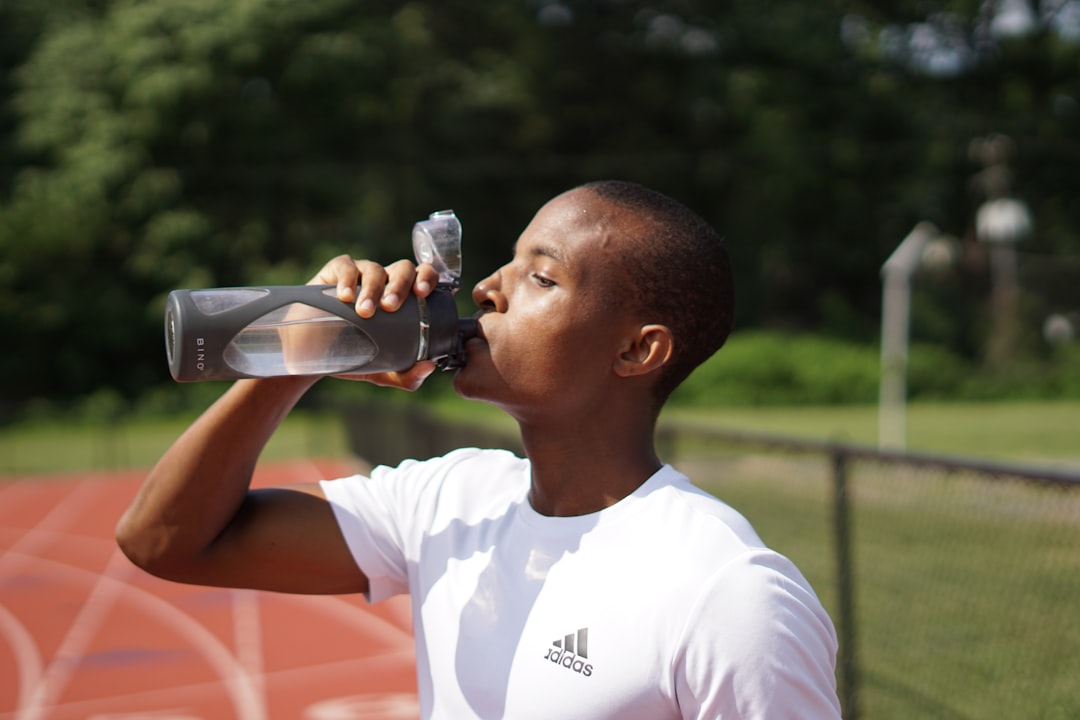
Begin hydrating the day before in hot conditions, not just on race morning. Drink to thirst throughout the day, and add an electrolyte tab to one of your drinks. On race morning, consume 500ml of fluid with a small amount of sodium (an electrolyte drink or a pinch of salt in your water) 2–3 hours before the start. Avoid plain water in large quantities before the start — it dilutes your blood sodium without adding electrolytes.
On-the-Bike Fuelling in Heat
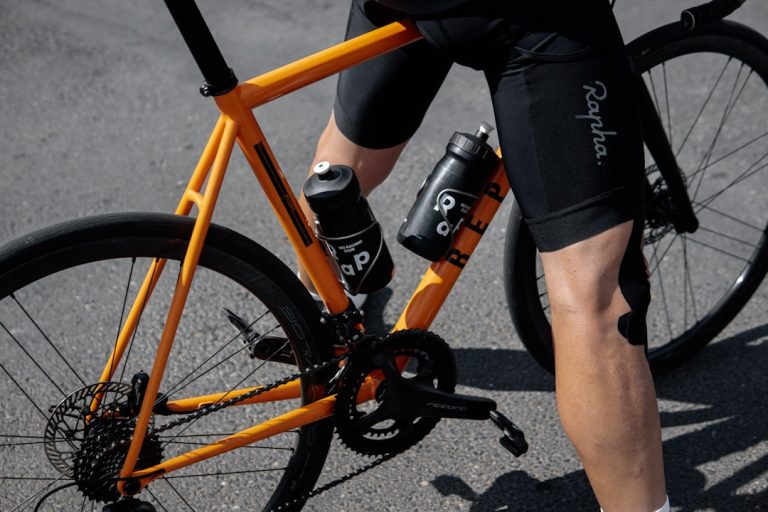
- Carbohydrate: Aim for 60–80g of carbs per hour, but start conservatively at the lower end in heat — gut absorption is reduced and solid food is harder to tolerate. Gels and liquid carbohydrates absorb faster than bars.
- Fluid: Drink 500–750ml per hour, adjusting upward based on sweat rate. If urine is dark yellow, you’re already behind on fluids.
- Electrolytes: Use an electrolyte drink rather than plain water during the bike leg. Sodium intake of 400–700mg per hour is a useful target in hot races.
- Pacing: Reduce power targets by 5–10% in extreme heat. Going out at normal power creates a heat debt you cannot pay back later in the run.
Run Leg Adjustments
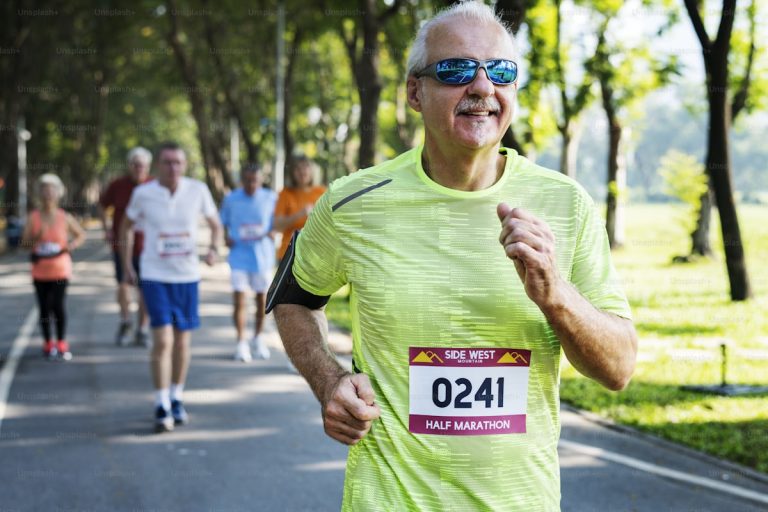
The run is where heat hits hardest. Sip at every aid station rather than gulping large volumes — this prevents sloshing and GI upset. Pouring cold water over your wrists and the back of your neck is more effective at reducing core temperature than drinking it. Use every sponge available. Run by feel or heart rate rather than pace — your actual pace will be slower in heat, and that’s physiologically correct.
Warning Signs to Watch For
- Hyponatremia: Nausea, bloating, headache, confusion — caused by overdrinking plain water. Treat with salty food or electrolytes, not more water.
- Dehydration: Dark urine, muscle cramps, headache — caused by insufficient fluid intake. Sip electrolyte drinks, reduce effort slightly.
- Heat exhaustion: Heavy sweating, pale skin, fast weak pulse, dizziness — stop racing, move to shade, apply cold water and seek medical attention.
Practise in Training
The single most important rule: test your hot-weather fuelling strategy in training, not on race day. Complete at least two long sessions in heat conditions using your planned race nutrition to identify any GI issues and calibrate your sweat rate. If possible, train in the hottest part of the day in the two weeks before a summer race — heat acclimatisation reduces cardiovascular strain and improves sweat efficiency within 10–14 days.