British Triathlon 2026 Competition Rules: What Every Athlete Needs to Know
Why the 2026 Rules Matter
British Triathlon has updated its competition ruleset for the 2026 season, introducing clarifications and new standards that affect age-group athletes across all race distances. Understanding the rules isn’t just about avoiding penalties — it protects you from race-day surprises that can derail months of training. Here’s a clear summary of everything that’s changed and what every British triathlete needs to know.
Drafting Zones on the Bike
For non-draft-legal age-group races, the standard British Triathlon drafting exclusion zone is 12 metres measured from the front wheel of the bike ahead. You have 20 seconds to complete a legal overtake once you enter the zone. Blocking — deliberately riding in the middle of the road to prevent being passed — is a penalty offence. Entering the draft zone and then failing to overtake, or deliberately slowing to create a drafting situation for another athlete, are also penalised. Most British Triathlon events use a penalty loop (not a stop-and-go) for drafting violations, adding a fixed time burden to your race.
Wetsuit Rules and Temperature Thresholds
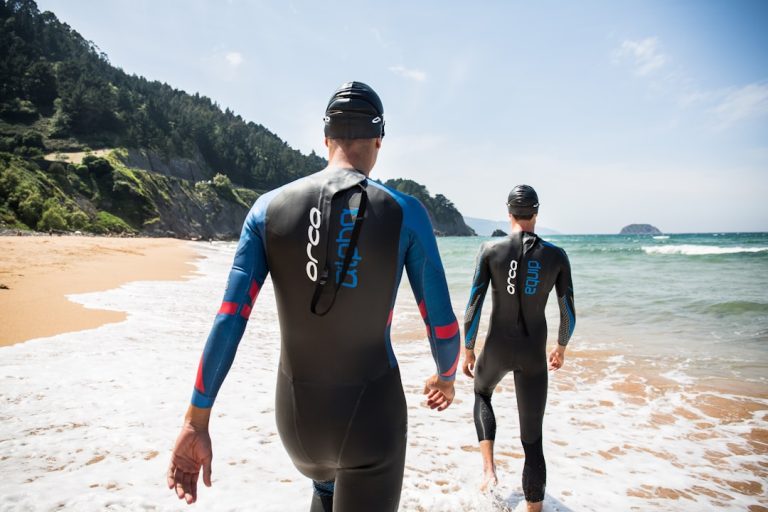
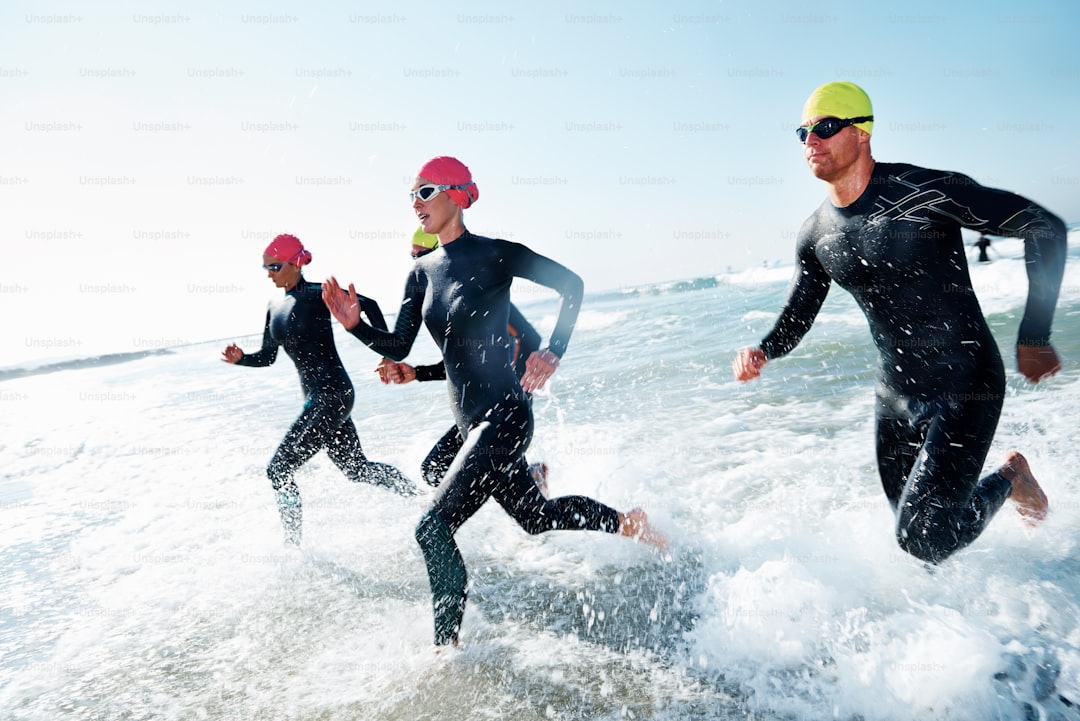
Wetsuit regulations follow water temperature: wetsuits are mandatory below 14°C, permitted between 14°C and 24.6°C, and prohibited above 24.6°C. The 2026 rules confirm that neoprene socks are permitted at any temperature, but neoprene gloves are not permitted above 16°C water temperature. Buoyancy shorts and neoprene caps are also restricted in warm water — check the race briefing if you’re racing in summer conditions as event organisers may apply tighter standards.
Transition Rules
Your transition equipment must stay within your designated rack space — spreading gear beyond your allocated position can result in a warning. In T1, your helmet must be on and fastened before your hands touch the bike. In T2, your helmet must stay fastened until your bike is racked. Running bare-chested is permitted for male athletes during the run leg. Race number bibs must be worn and visible from behind during the run. Cycling with a race number bib during the bike leg is not required but is permitted if you choose to use one.
Equipment and Technical Standards
Headphones and earphones of any type are not permitted during any phase of a British Triathlon sanctioned race. Aerodynamic equipment — disc wheels, aerobars, aero helmets — must conform to UCI technical regulations for road cycling. Top tube storage items are now limited to a maximum height of 10cm above the top edge of the tube and cannot be attached to the headset, bringing British Triathlon in line with the updated 2026 IRONMAN global rules. Non-licensed swimwear that provides hydrodynamic advantage (i.e. anything offering buoyancy or compression beyond standard swimwear) is not permitted in the swim leg.
Penalty Procedures
The majority of British Triathlon events use a penalty loop system for technical infringements. The loop is typically located on the run course and adds 20–30 seconds to your race time. You must complete the loop before crossing the finish line — failure to do so results in disqualification regardless of how you finished. Time penalties rather than loops may be applied for equipment violations discovered post-race. Always verify the specific penalty procedure in your event’s race guide.
Race Day Briefing
Attending the pre-race briefing is mandatory for all British Triathlon sanctioned events. Race officials may check attendance via race numbers — failure to attend without a legitimate reason can result in a warning and potentially prevent you from starting. The briefing covers course-specific variations, penalty loop location, any amendments to the standard ruleset, and water safety information. Attend even if you’ve raced the event multiple times — conditions and rules change every year.