Century Ride Preparation: Your Complete 100-Mile Cycling Guide
Completing 100 miles (161km) on the road is a genuine cycling achievement. Whether you’re targeting a charity sportive, a cycling club event, or simply setting yourself a personal challenge, a structured approach to preparation will make the difference between a miserable suffer-fest and a proud, well-executed ride.
Building Your Base
Your longest training ride before a century should reach at least 70–80 miles (113–130km). Don’t attempt your first 100-miler without this preparation — the final 20 miles will feel very different from the first 20, and you need your body to understand that before race day. Build your long ride progressively over 8–12 weeks, adding 10–15 miles every 2–3 weeks with a shorter long ride every third week for recovery.
- Weeks 1–2: Long ride 40–50 miles
- Weeks 3–4: Long ride 55–65 miles
- Week 5: Recovery week (long ride 40 miles)
- Weeks 6–7: Long ride 65–75 miles
- Weeks 8–9: Long ride 75–85 miles
- Week 10: Recovery week
- Week 11: 80-mile final long ride
- Week 12: Taper — event day
Fuelling for 100 Miles
This is where most first-timers go wrong. You cannot store enough glycogen for 100 miles of cycling — you must fuel continuously on the bike. Aim for 60–90g of carbohydrates per hour once you’re past the 45-minute mark. This means consuming energy bars, rice cakes, gels, or chews every 20–30 minutes. Practice your nutrition strategy on long training rides — never try something new on event day.
Hydration
In mild UK weather, aim for 500–750ml of fluid per hour. In warm conditions, add electrolytes to at least one bottle per hour. A fully loaded century in summer heat can demand 1–1.5 litres per hour if you’re sweating heavily. Arrive at feed stations before you feel thirsty — thirst is already a sign of early dehydration.
Pacing Strategy
The single biggest century mistake is starting too fast. Begin at 60–70% of your maximum effort and resist the temptation to surge with faster riders in the opening 30 miles. Your power output or RPE at miles 60–80 will reveal whether you paced correctly. Aim to feel genuinely strong at mile 70 — if you do, you can push the final 30 miles.
Gear and Bike Check
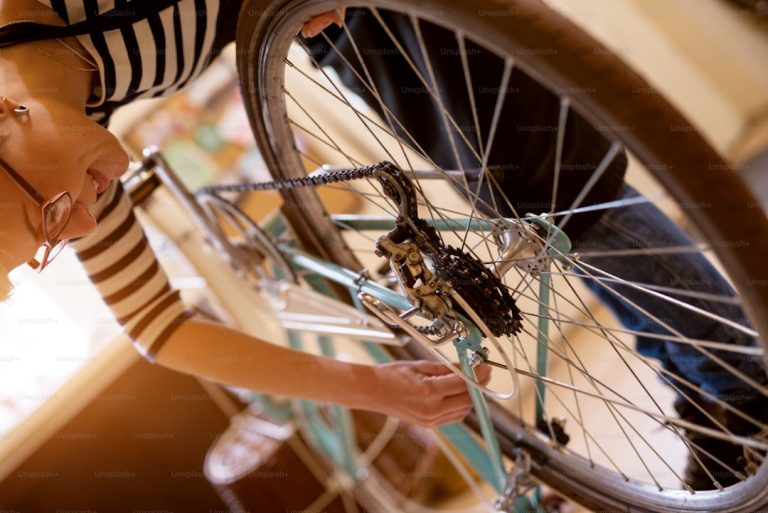
- Tyres: Check tread wear and inflate to recommended PSI the night before — not the morning of.
- Gearing: Ensure you have a low enough gear for the climbs on your specific route.
- Saddle comfort: If your saddle causes problems in training, address it before the event — mile 80 is too late.
- Lights: If there’s any chance of riding in low light, carry front and rear lights as a minimum.
- Nutrition kit: Load all your food and drink the evening before so nothing is forgotten.
Recovery After Your Century
Completing 100 miles is a significant physiological stress. Plan 3–4 days of very easy activity or complete rest after your event. Prioritise protein and carbohydrate in the 30–60 minutes after finishing, sleep well for the next two nights, and don’t rush back to hard training. The adaptation from a century comes in the recovery days, not the ride itself.