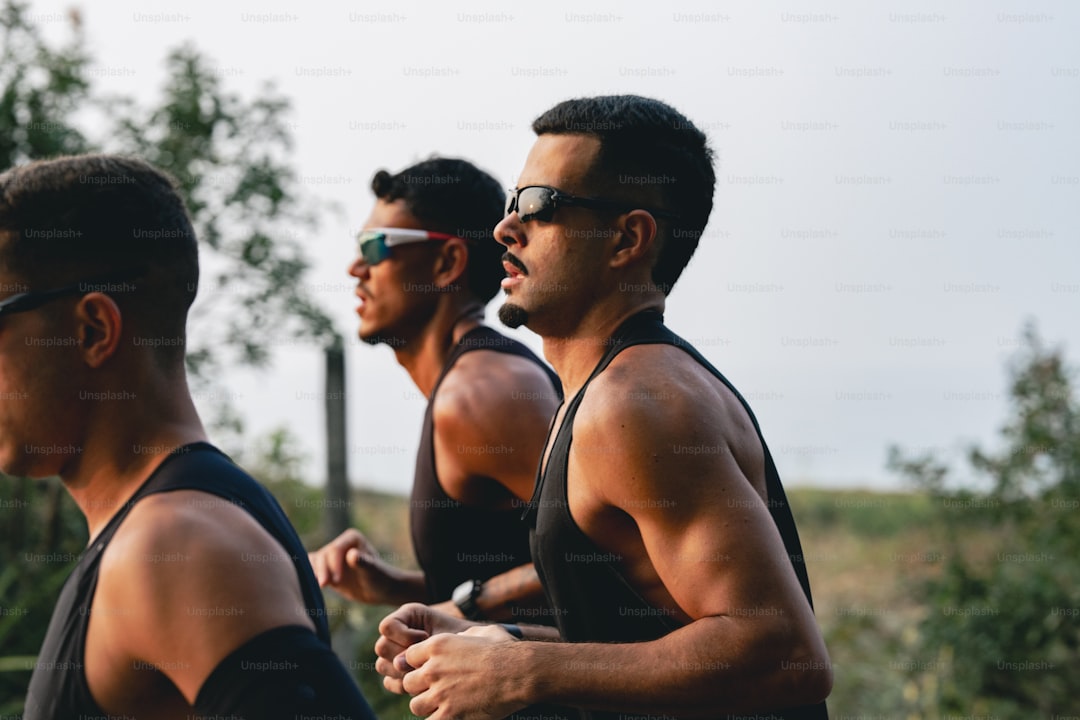
Triathlon Club vs Solo Training: Which is Right for You?
The Case for Joining a Triathlon Club
Triathlon clubs offer something no training plan can replicate: other people. Whether it’s a coached swim session on a Tuesday morning, a group turbo session on a dark January night, or a club ride that takes you to roads you’d never explore alone, training with others brings accountability, motivation, and social connection that can sustain years of participation in the sport.
Structured coaching is often the headline benefit. Many British Triathlon-affiliated clubs offer qualified coaching across all three disciplines, with sessions designed around recognised training frameworks. For newer triathletes especially, access to technique feedback in the pool or guidance on bike handling and run form can accelerate progress far faster than self-coached training alone.
The Case for Solo Training
Solo training is what most triathletes end up doing most of the time, regardless of club membership. Early morning swims before work, lunchtime runs, and weekend long rides don’t always align with club timetables. For athletes with irregular schedules, family commitments, or training loads that exceed what a group session can provide, going it alone is often the most practical and effective choice.
Solo training also offers complete control over pace, route, and volume. Following a personalised plan — whether self-designed or set by a one-to-one coach — allows you to target your specific weaknesses without being constrained by the group’s average ability. If you’re significantly faster or slower than your club’s training group, the benefits of group sessions can erode quickly.
Key Factors to Consider
- Where you are in the sport — Beginners benefit most from club membership; experienced athletes with established technique may gain less from group coaching.
- Your schedule flexibility — Clubs are only valuable if you can consistently attend. If you can make 1 in 5 scheduled sessions, membership may not justify the time and cost.
- Your primary motivation — If the social side of the sport matters to you, a club offers irreplaceable community. If you’re purely performance-focused, a personalised coach may serve you better.
- The quality of your local club — UK club quality varies enormously. Visit a session before committing — a well-run club with qualified coaches is transformative; a poorly organised one is demotivating.
The Hybrid Approach
Most experienced triathletes land on a hybrid model: club membership for 2-3 key sessions per week (typically swim coaching and one group ride) combined with structured solo training for the rest. This captures the technique feedback and motivation of group training while preserving the flexibility and specificity of individual sessions.
If you’re weighing up options for 2026, search for British Triathlon-affiliated clubs in your area. Most offer trial sessions for free — attending two or three before committing is the best way to judge whether the club’s culture and training structure suits your goals and your schedule.